Frequently Asked Questions
How can I improve my indoor air quality?
Improving your indoor air quality can be achieved through regular filter changes, proper ventilation, and utilizing air purification systems offered by Indoor Experts.
What are some HVAC maintenance tips?
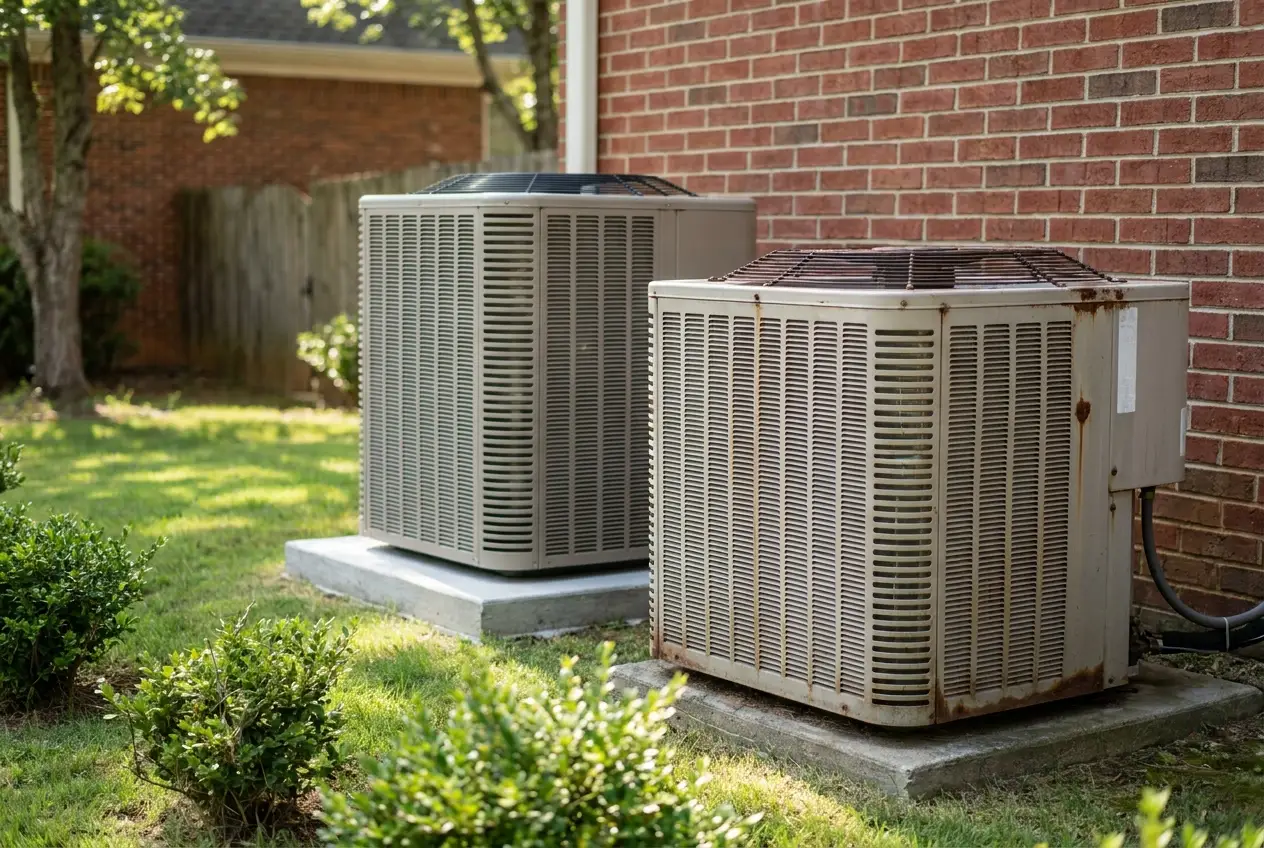
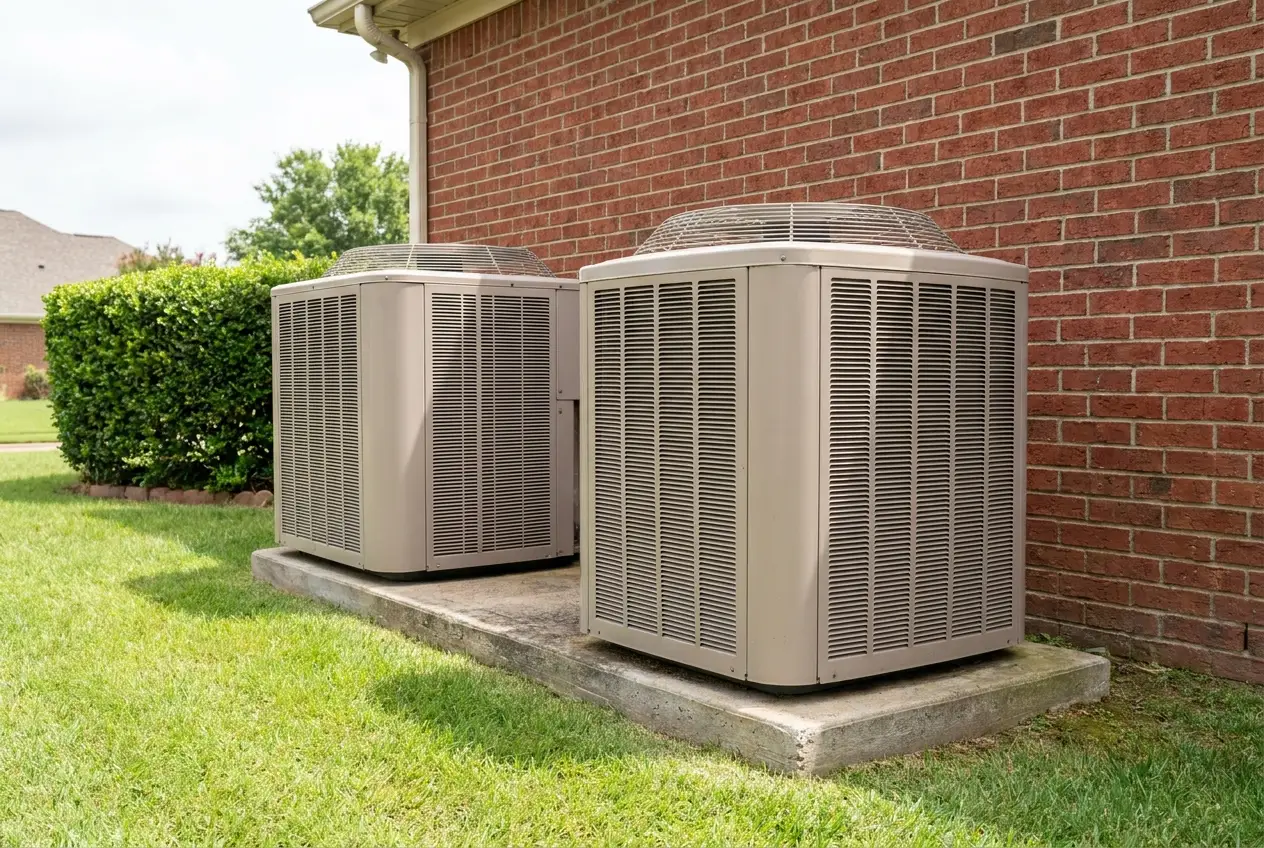
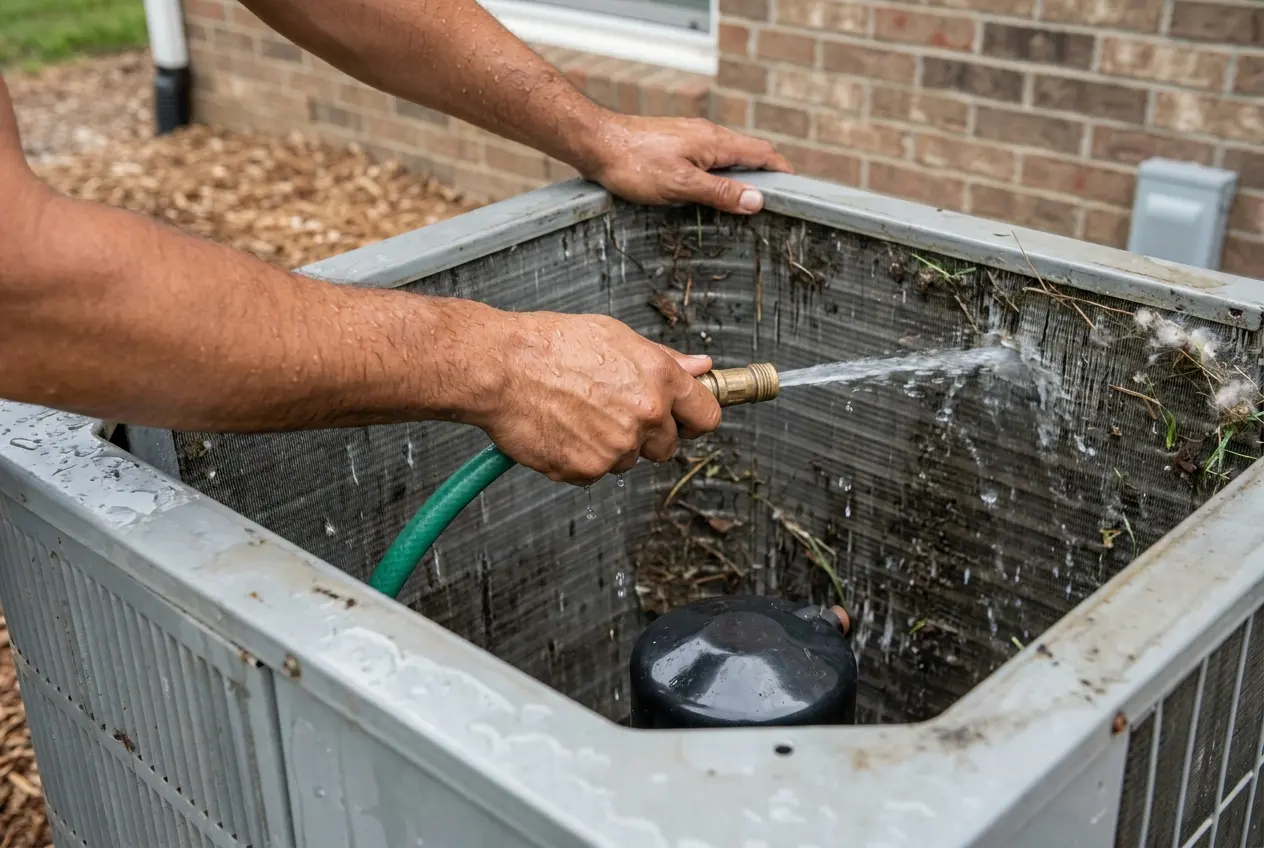
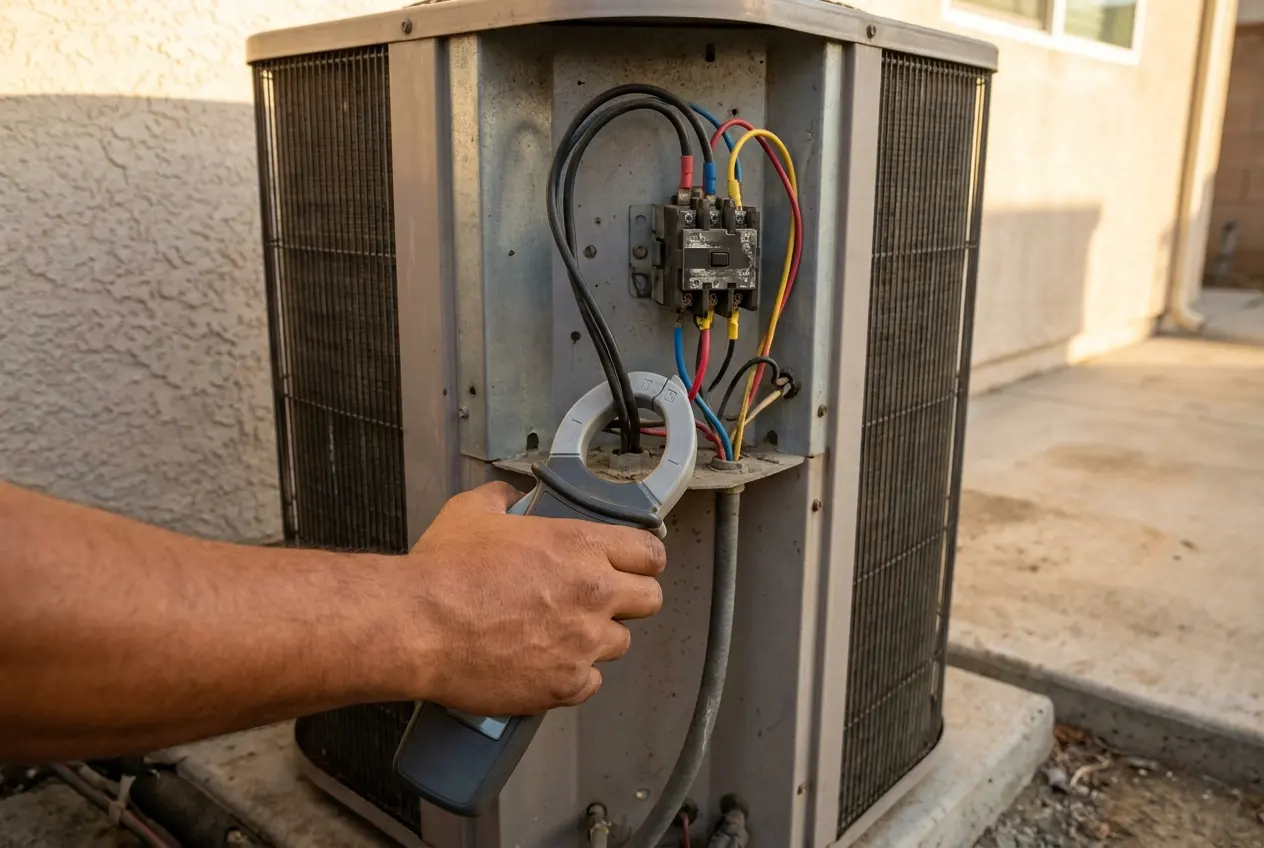
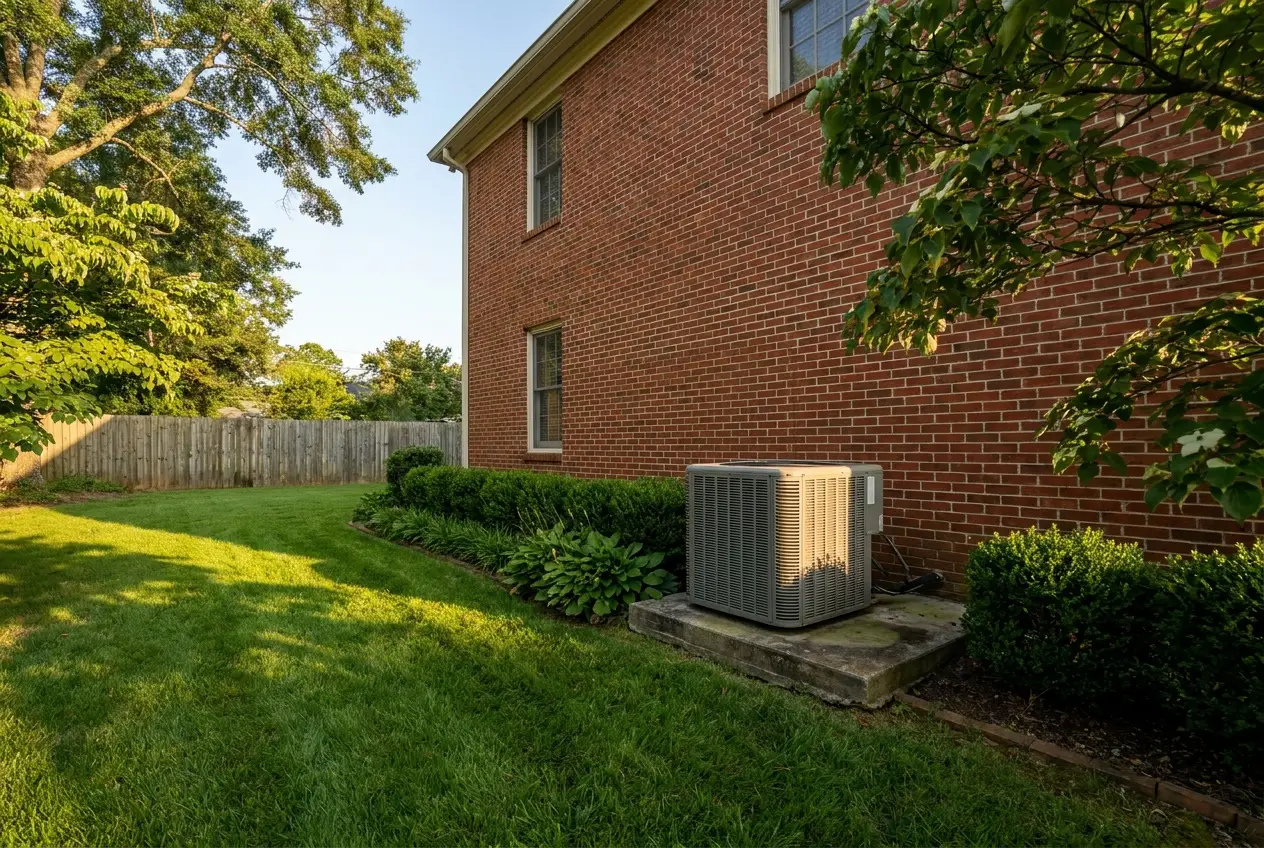
HVAC maintenance tips include regularly changing air filters, keeping outdoor units clear of debris, and scheduling annual professional check-ups to ensure optimal performance and efficiency.
How often should I service my air conditioning unit?
Your air conditioning unit should be serviced annually, ideally in the spring before the cooling season begins, to ensure optimal performance and prevent breakdowns.
What are effective ways to enhance indoor air quality?
Effective ways to enhance indoor air quality include regular filter changes, using air purifiers, ensuring proper ventilation, and controlling humidity levels.
How can I reduce allergens in my home?
Reducing allergens in your home can be achieved by improving air quality with regular filter changes and professional HVAC maintenance.
What plants improve indoor air quality?
Certain houseplants can help improve indoor air quality by filtering out common pollutants.
How does humidity affect indoor air quality?
Humidity significantly impacts indoor air quality by promoting mold, mildew, dust mites, and bacteria growth, which can trigger allergies and respiratory issues.
What are common indoor air pollutants?
Common indoor air pollutants include dust, pet dander, mold, smoke, and volatile organic compounds (VOCs) from cleaning supplies and building materials.
How can I test my indoor air quality?
You can test your indoor air quality using DIY kits or by scheduling professional testing with Indoor Experts for comprehensive analysis.
What HVAC systems are best for air quality?
The best HVAC systems for air quality often include advanced filtration, UV germicidal lights, and humidifiers/dehumidifiers for optimal comfort and health.
How often should I change air filters?
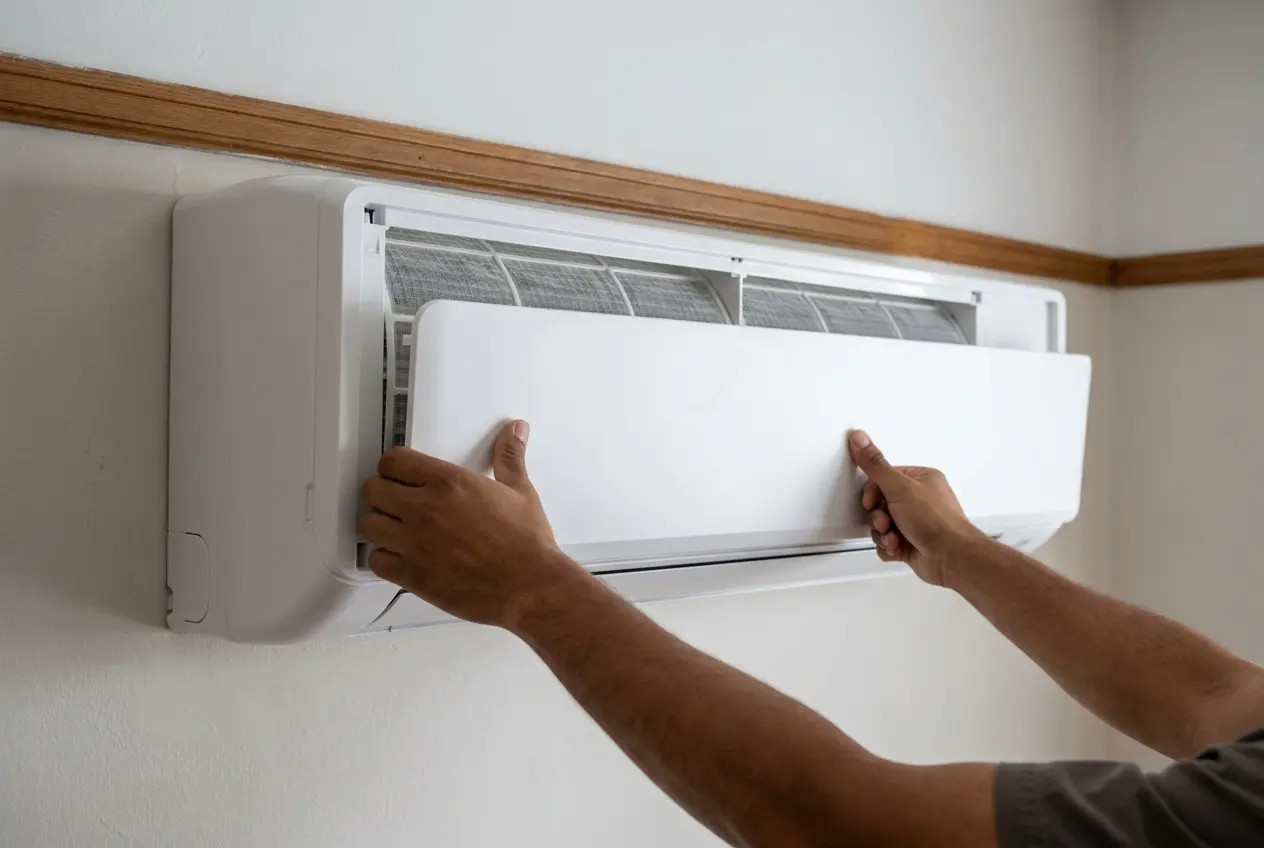
You should change your air filters regularly. For most homes, a good rule of thumb is every 1-3 months, but check your specific filter type and manufacturer recommendations.
What are signs of poor indoor air quality?
Signs of poor indoor air quality include frequent headaches, allergies, respiratory issues, and musty odors. These indicate potential problems with your home's ventilation and air purification systems.
How can ventilation improve air quality?
Ventilation improves air quality by introducing fresh outdoor air and removing stale indoor air, thus reducing pollutants and allergens for a healthier environment.
What maintenance is needed for HVAC systems?
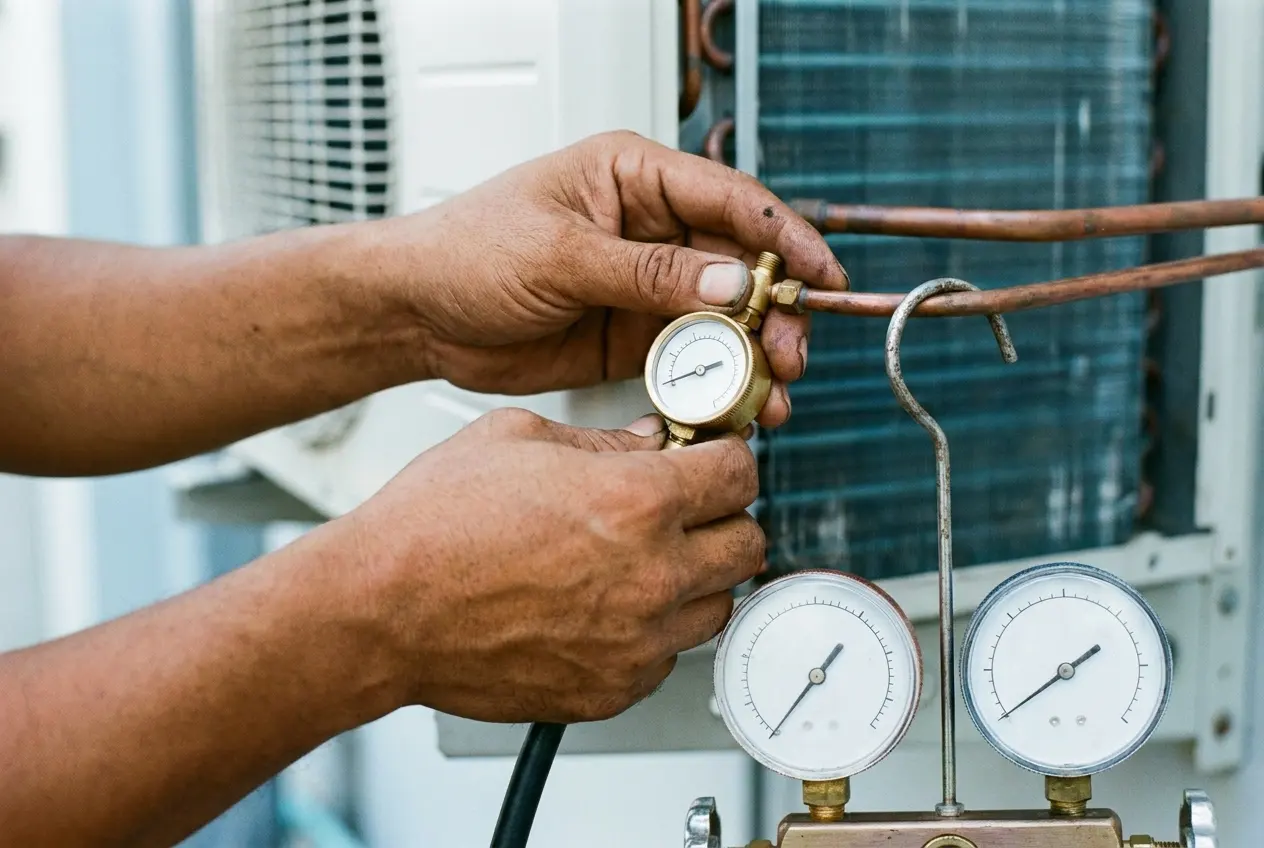
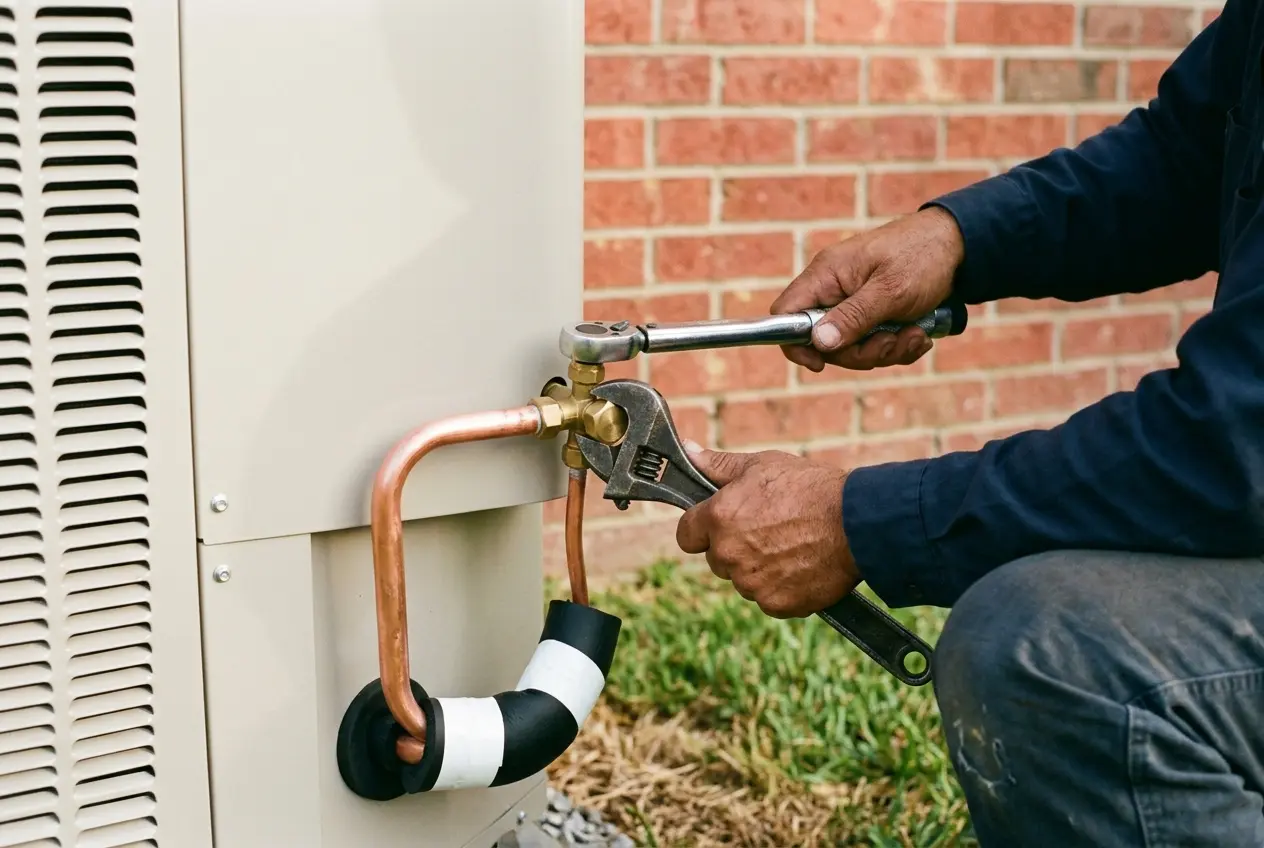
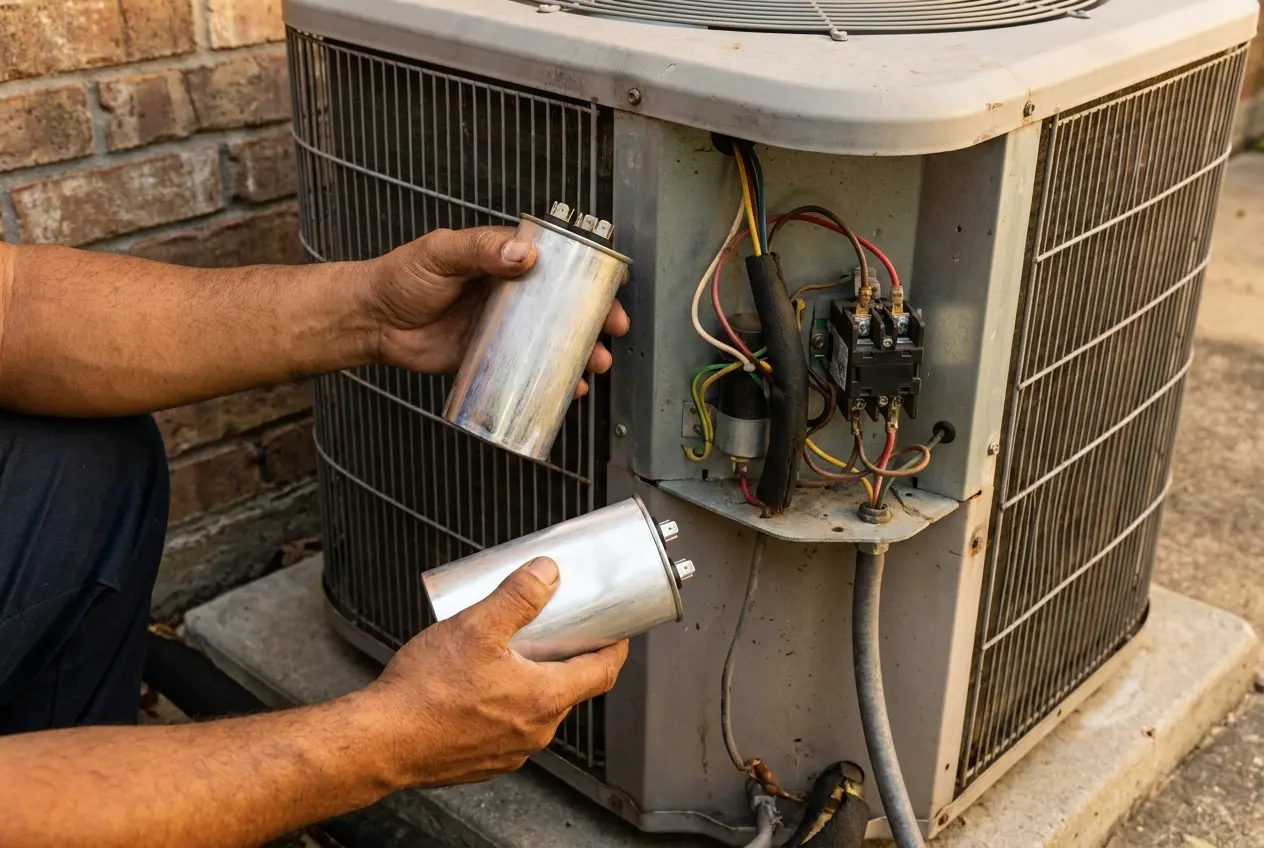
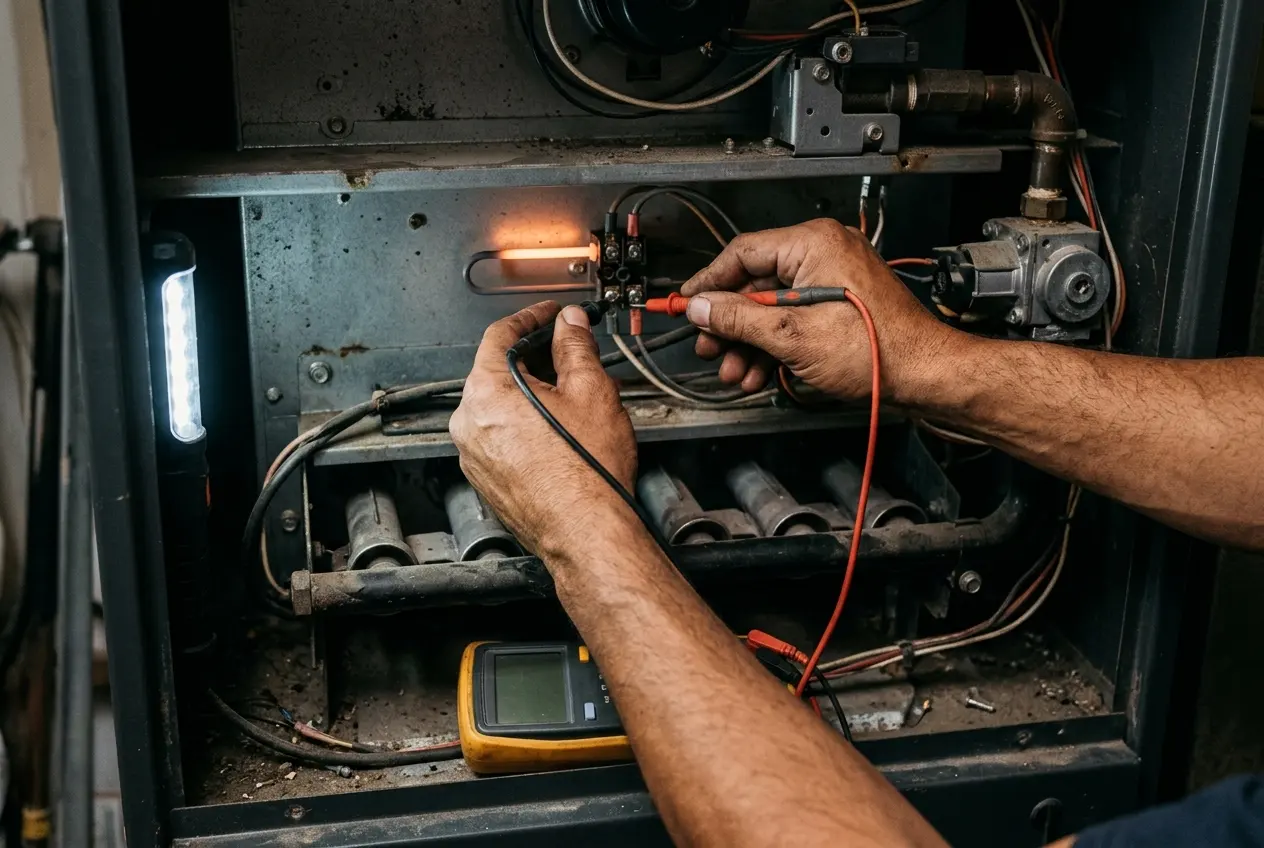
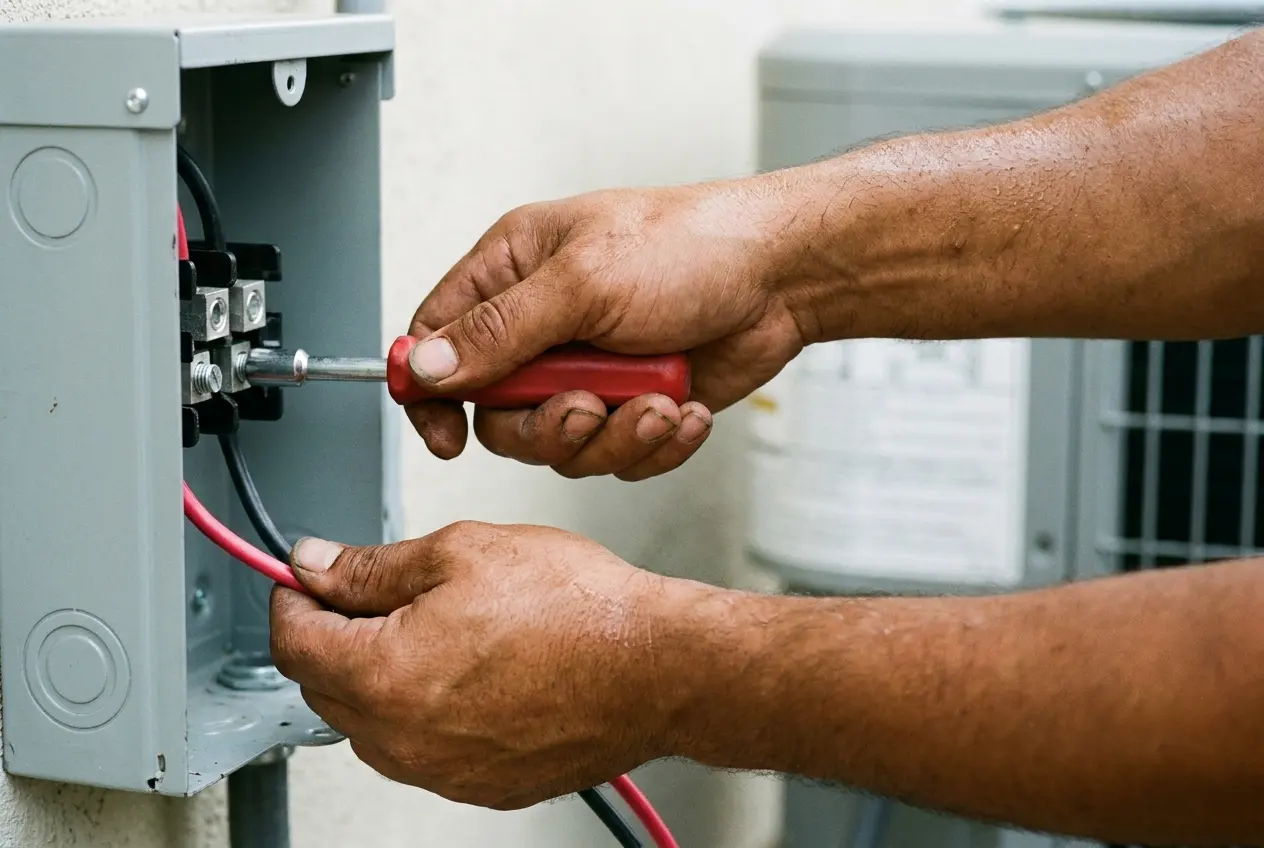
Regular HVAC maintenance includes changing air filters, cleaning coils, checking refrigerant levels, and ensuring all components are functioning correctly for optimal performance and longevity.
How can I extend the life of my HVAC?
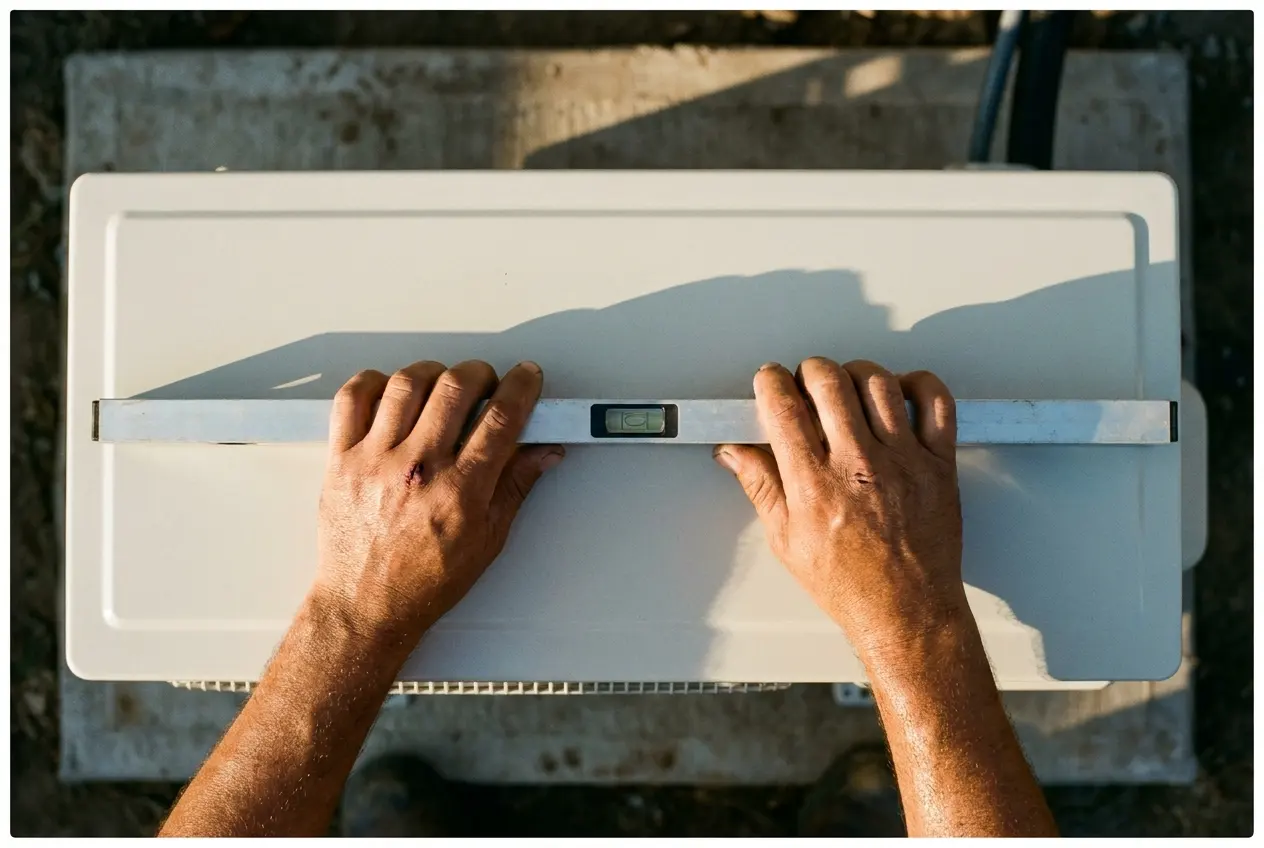
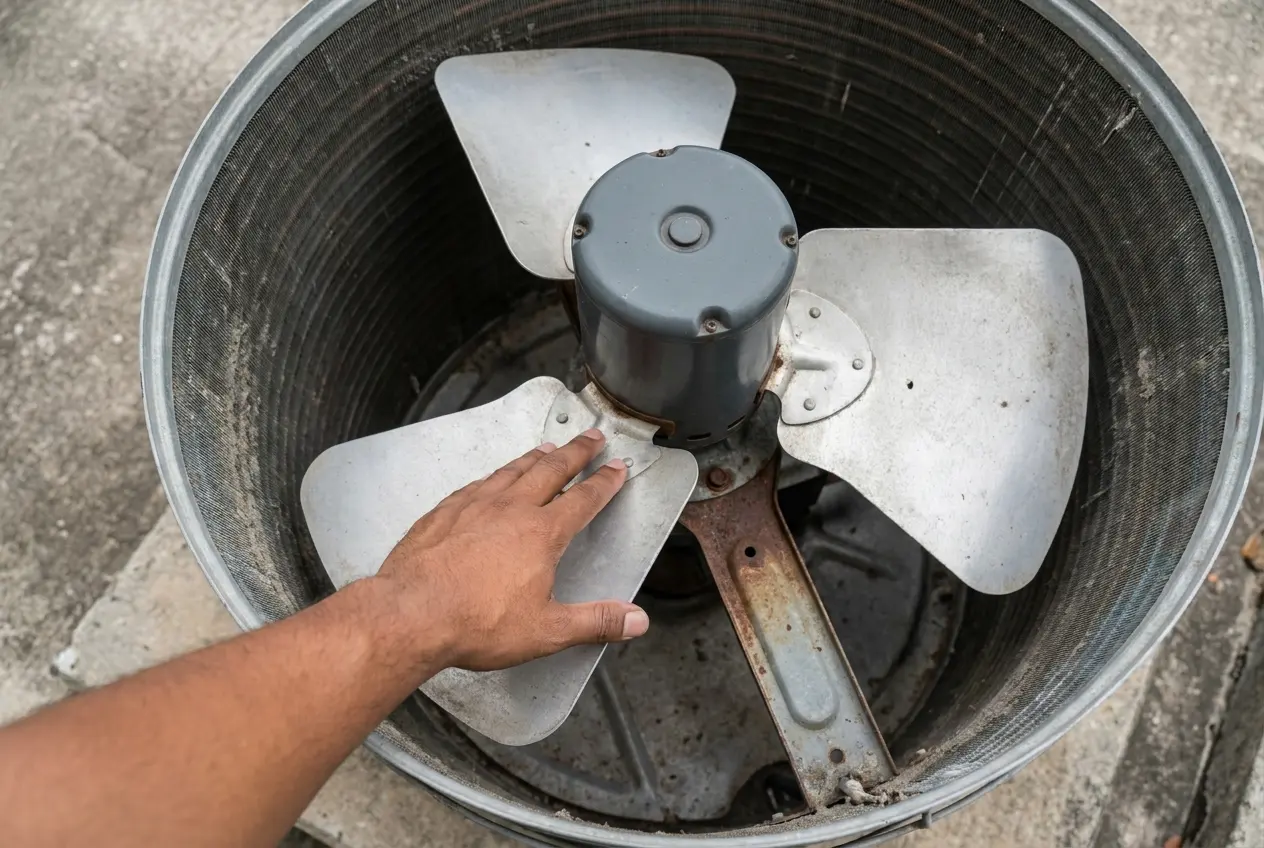
To extend the life of your HVAC, schedule regular professional maintenance, change air filters frequently, and keep the outdoor unit clear of debris.
What should I check during HVAC maintenance?
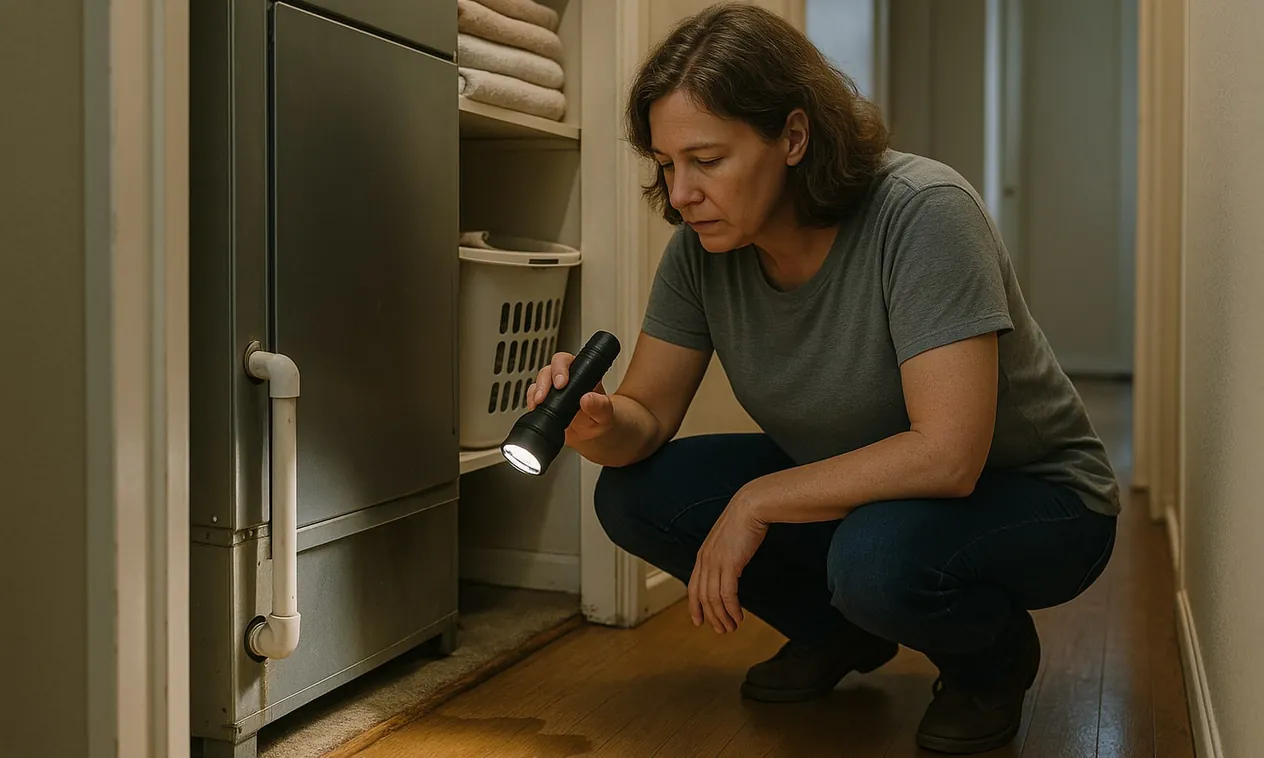
During HVAC maintenance, check air filters, thermostat settings, refrigerant levels, and for any unusual noises or leaks.
How often should I clean my air ducts?
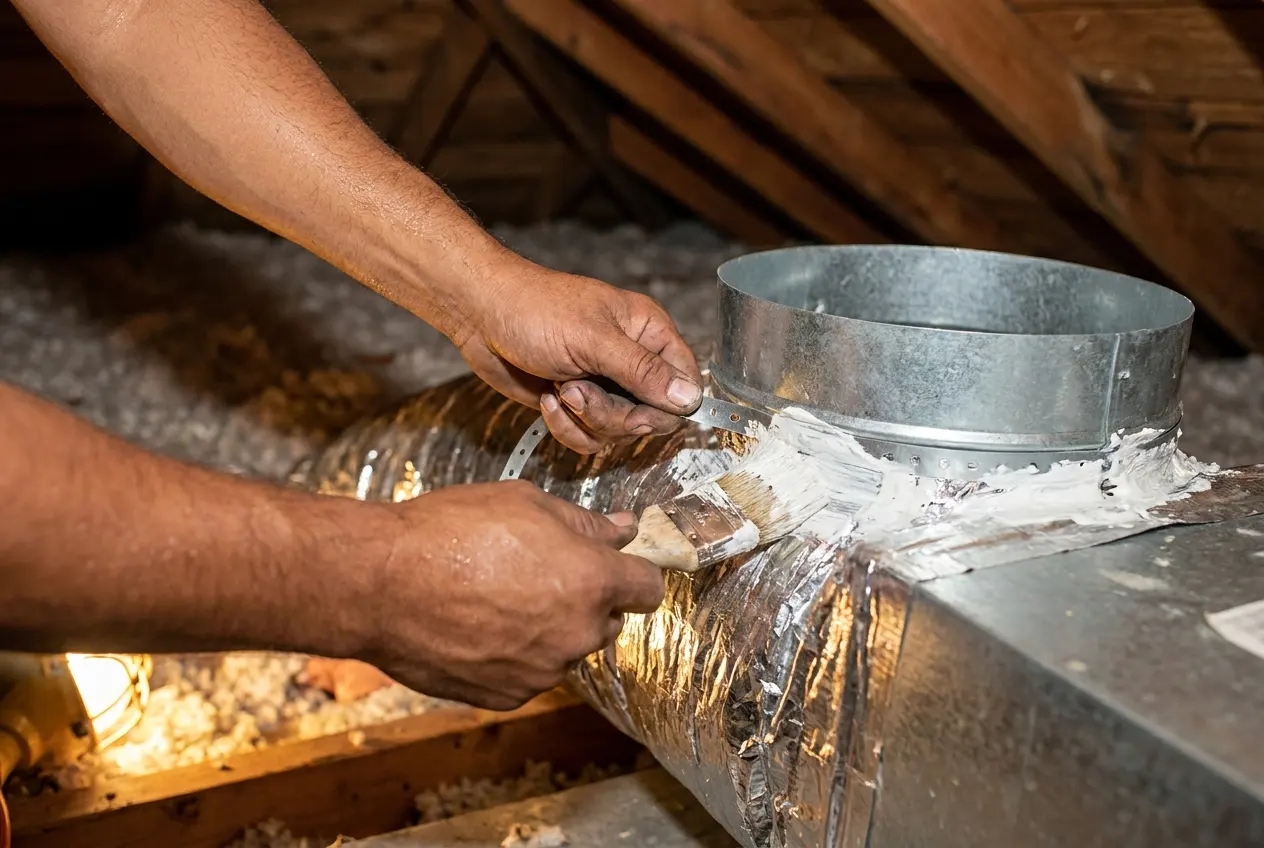
Air ducts should ideally be cleaned every 3-5 years, or more often if you have pets, allergies, or live in a dusty environment.
What are the benefits of regular HVAC servicing?
Regular HVAC servicing offers numerous benefits, including improved energy efficiency, extended system lifespan, enhanced indoor air quality, and prevention of costly breakdowns.
How can I improve energy efficiency in HVAC?
Improving energy efficiency in HVAC involves regular maintenance, sealing air leaks, upgrading to energy-efficient equipment, and using programmable thermostats.
What is the best temperature for air conditioning?
The best temperature for air conditioning is typically between 75-78°F for optimal comfort and energy efficiency. This range helps maintain a pleasant indoor environment without overworking your system.
How can I troubleshoot my air conditioning unit?
Troubleshooting your air conditioning unit involves checking the thermostat, air filter, and circuit breaker. If problems persist, contact Indoor Experts for professional assistance.
What are signs my air conditioning needs repair?
Your air conditioning may need repair if it's blowing warm air, making strange noises, or not cooling effectively. Ignoring these signs can lead to bigger problems.
How can I optimize my thermostat settings?
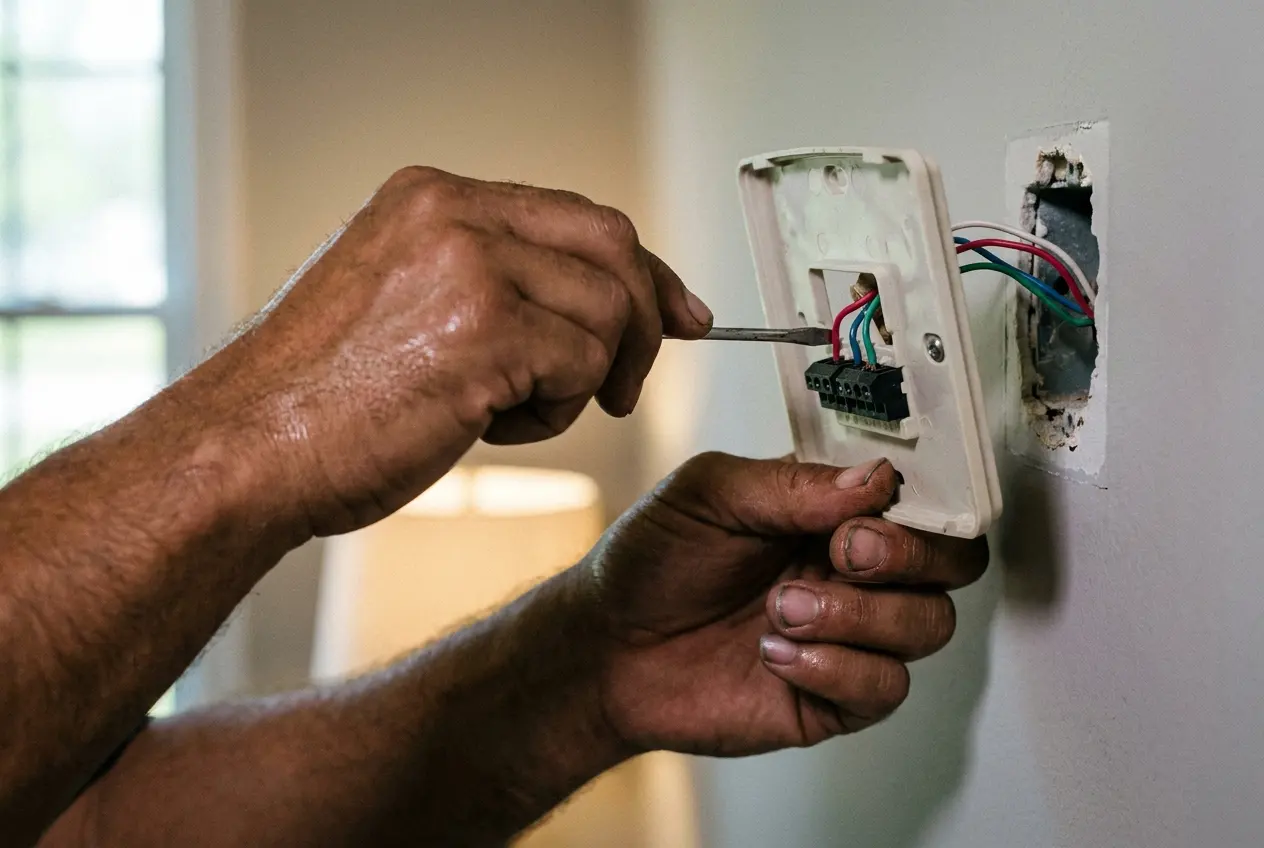
Optimizing your thermostat settings involves adjusting temperatures for comfort and energy savings, especially when away or sleeping.
What is the average lifespan of an air conditioner?
The average lifespan of an air conditioner is typically 15-20 years, but this can vary based on maintenance, usage, and system type.
How do I choose the right HVAC contractor?
Choosing the right HVAC contractor involves checking reviews, verifying licenses, and getting multiple quotes to ensure reliable service.
What are the costs associated with HVAC maintenance?
The costs associated with HVAC maintenance vary, but regular tune-ups can prevent expensive repairs and improve energy efficiency.
How can I improve airflow in my home?
Improving airflow in your home can be achieved by ensuring vents are unobstructed, changing air filters regularly, and considering professional duct cleaning.
What are the latest HVAC technologies available?
The latest HVAC technologies include smart thermostats, variable-speed systems, and advanced air purification for enhanced efficiency and comfort.
How can I reduce energy costs with HVAC?
Reducing energy costs with HVAC involves regular maintenance, sealing air leaks, upgrading to energy-efficient units, and using programmable thermostats wisely.
What should I know about HVAC warranties?
Understanding HVAC warranties involves knowing coverage details, duration, and registration requirements to ensure your heating and cooling system is protected.