A post-summer AC tune-up is worth it if your system ran hard this summer. Six months of Atlanta heat and humidity weakens capacitors, clogs condensate drains and coats coils. None of that stops a system from cooling until the day it fails. A tune-up now finds those faults while the fix is still small.
The visit matters most for systems that ran long hours, are getting older, needed a repair this summer or started cooling unevenly. It is not maintenance for its own sake. It checks for the wear months of runtime leave behind, before that wear becomes a no-cool call.
Atlanta's fall swings between warm afternoons and cool mornings, so your AC still has work to do after the peak heat passes. Below is what a fall AC tune-up tests, which findings to fix now and when the visit can wait.
Is a second seasonal AC visit necessary in Atlanta?
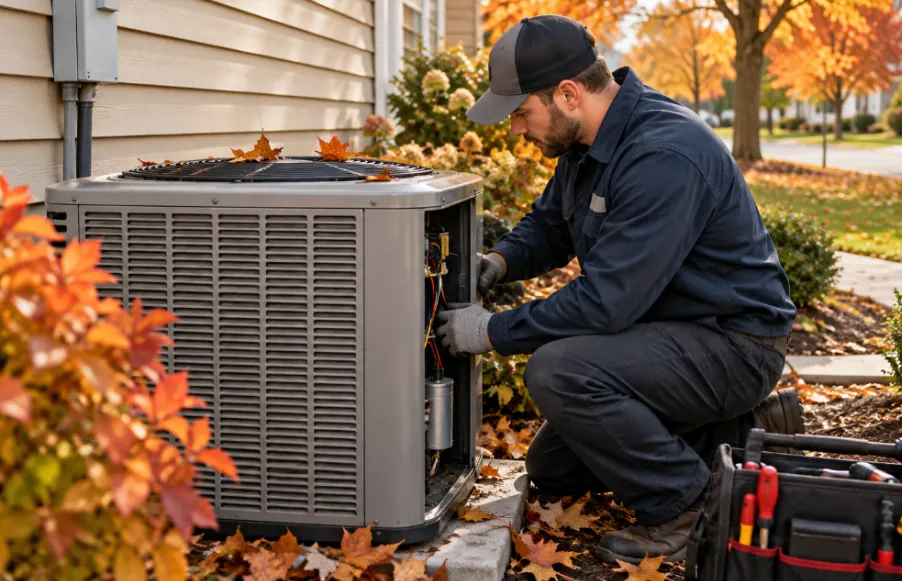
For most Atlanta systems, yes. The standard is a maintenance visit at the start of each season, twice a year. After a full cooling season of heavy runtime, the second visit is where summer wear gets caught.
The exception is a newer system that ran lightly, had its spring service and shows no symptoms. That system can wait for its heating-season visit. For the full-year calendar, see when Atlanta homeowners should schedule HVAC maintenance.
What does a hard Atlanta summer do to your AC?
Your AC pulls water out of Atlanta's humid air from late spring into early fall, so the condensate drain works almost nonstop.
Moisture is what separates Atlanta from a dry climate. A dry-climate coil stays cleaner and its drain pan sits mostly empty. Here, wet coils collect dust and biological growth, and a drain line that carries water for months clogs far more easily.
The signs show up as a rusting pan or standing water under the air handler. Long run cycles add wear of their own:
- Coils fouled with a dust-and-moisture film that quietly cuts heat transfer
- Filters loaded well past their rated interval, starving airflow
- A capacitor that has weakened under sustained heat and high start loads
- Loose or oxidized electrical connections from repeated thermal cycling
- A condensate drain slowed by algae, and a pan showing early rust
- Refrigerant charge that reads off if a slow leak has been developing
What gets tested during a post-summer AC tune-up?
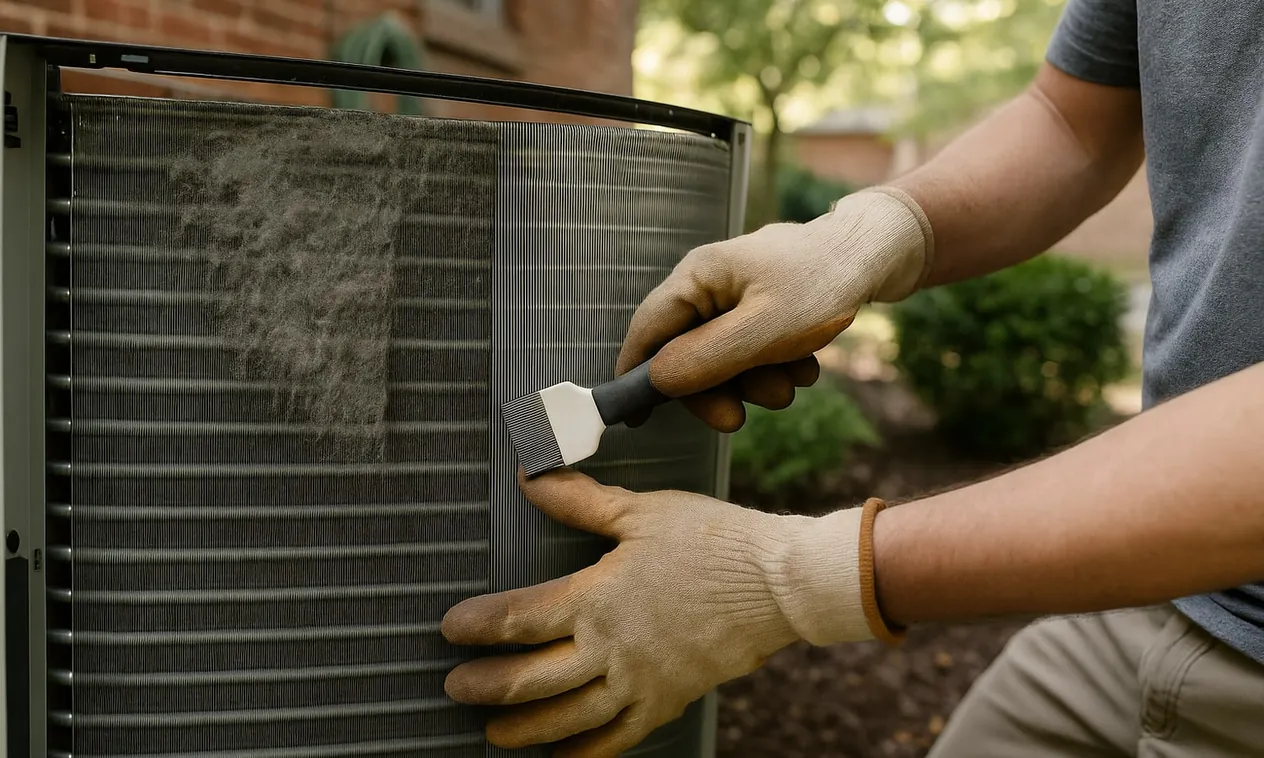
A good fall inspection is a set of measured readings, not a glance and a spray-down. Here is what a thorough seasonal air conditioning service tests, and what each reading tells you about how the summer treated your system.
Coils, airflow, and static pressure
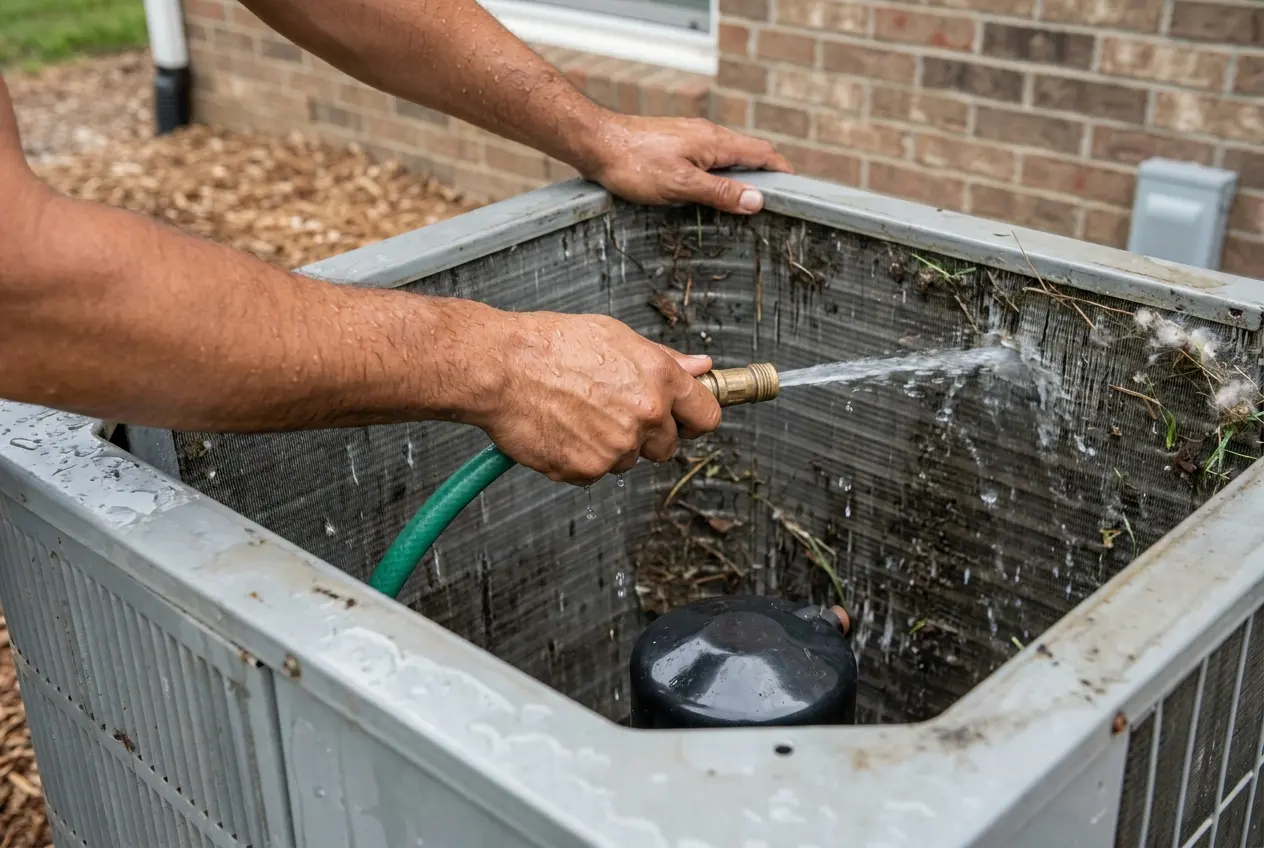
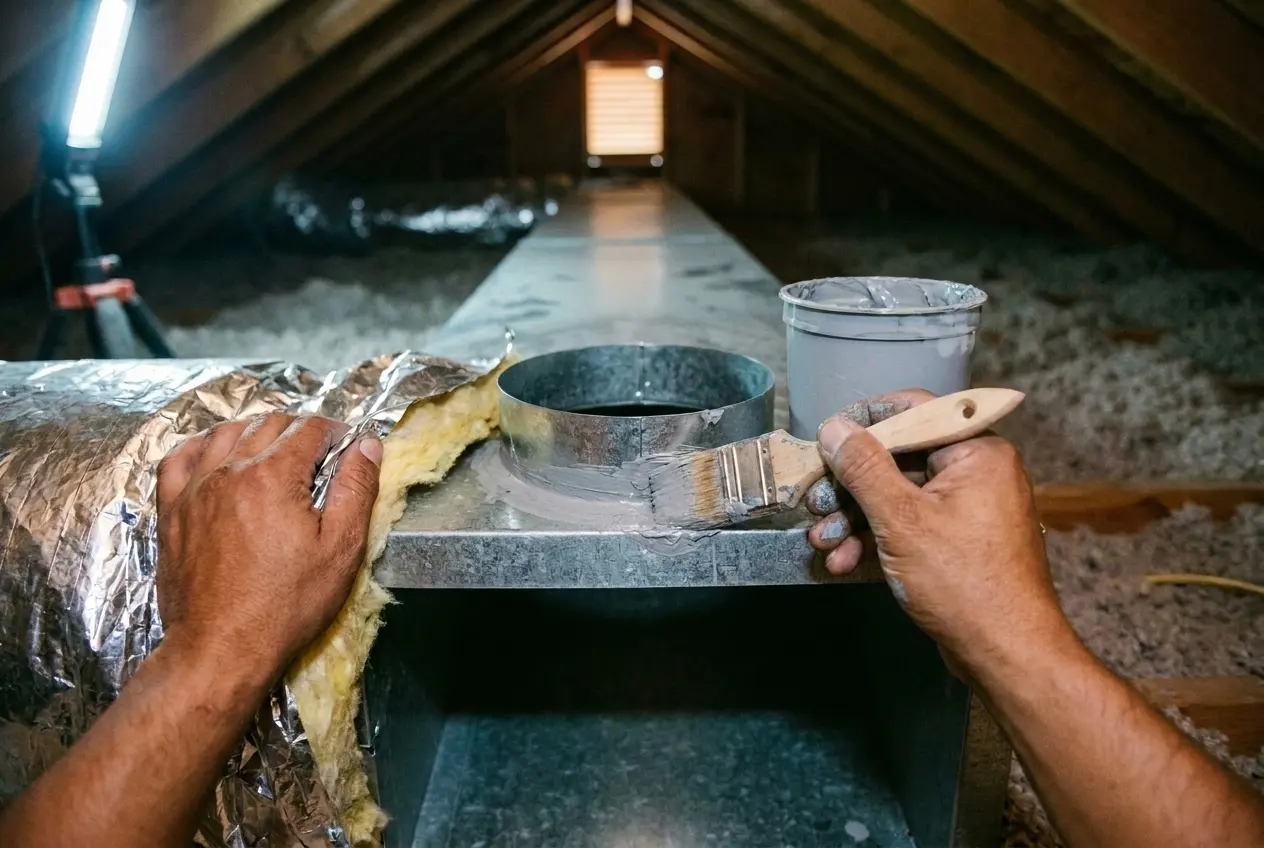
The technician inspects both coils, indoor and outdoor, for a season's worth of grime. A dirty coil makes the system run longer to cool the house. Static pressure, a measure of how hard the blower has to push, is read across the air handler. A high reading points to a dirty coil, clogged filter or restricted ducts.
The capacitor and electrical connections
The capacitor gives the compressor and fan motor their starting kick. A meter test against its rated microfarads shows whether it has drifted low, which makes those motors strain on every start. Contactor points and wire terminals get checked for pitting, looseness and corrosion. Caught early, these are small repairs. Missed, they can burn out a motor.
Refrigerant charge and cooling performance
Charge is checked by measuring superheat and subcooling at the service ports, the readings that show whether the system holds the right amount of refrigerant. The temperature split, the drop between return and supply air, confirms cooling performance. On a healthy system it typically lands around 16 to 22 degrees.
Refrigerant runs in a sealed loop, so a low charge means a leak. At Indoor Experts Heating & Air Conditioning, we do not top off refrigerant and send you on your way. We find the leak first, because a top-off without a repair only brings the problem back.
The condensate drain and pan
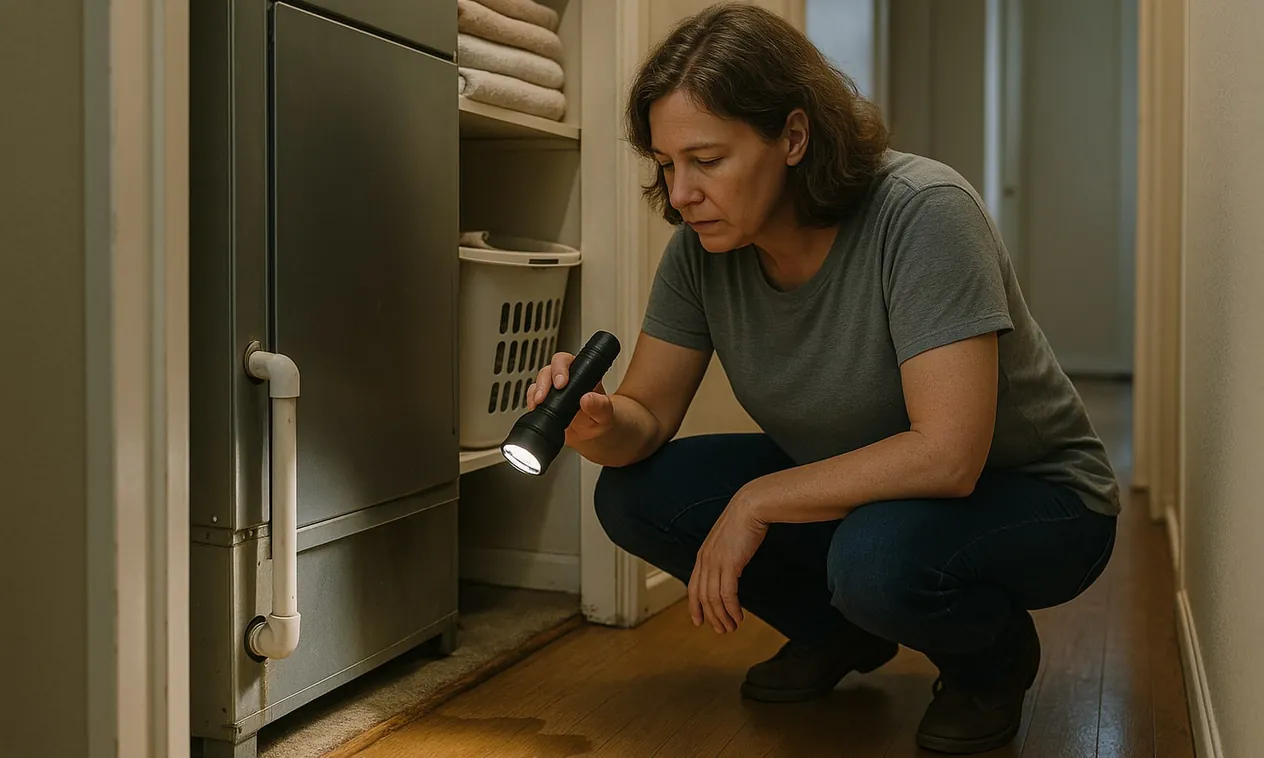
The technician clears and flushes the drain line and checks the pan for water and rust. A summer of nonstop dehumidifying lets algae and sediment narrow the line. A slow drain backs water into the pan or trips the float switch, which shuts the system off. Flushing it is among the cheapest fixes on the list.
Who benefits most from a post-summer AC tune-up?
Some Atlanta systems need the visit more than others. These are the signs that summer left wear worth checking.
Book the visit if any of these apply:
- Your AC ran almost continuously during hot afternoons
- The system needed a repair during the summer
- Some rooms became harder to cool
- Your energy use increased without a clear reason
- The system made new noises or started short cycling
- The condensate drain has clogged before
- The equipment is older or has a history of repairs
Which findings are worth fixing now, and which can wait?
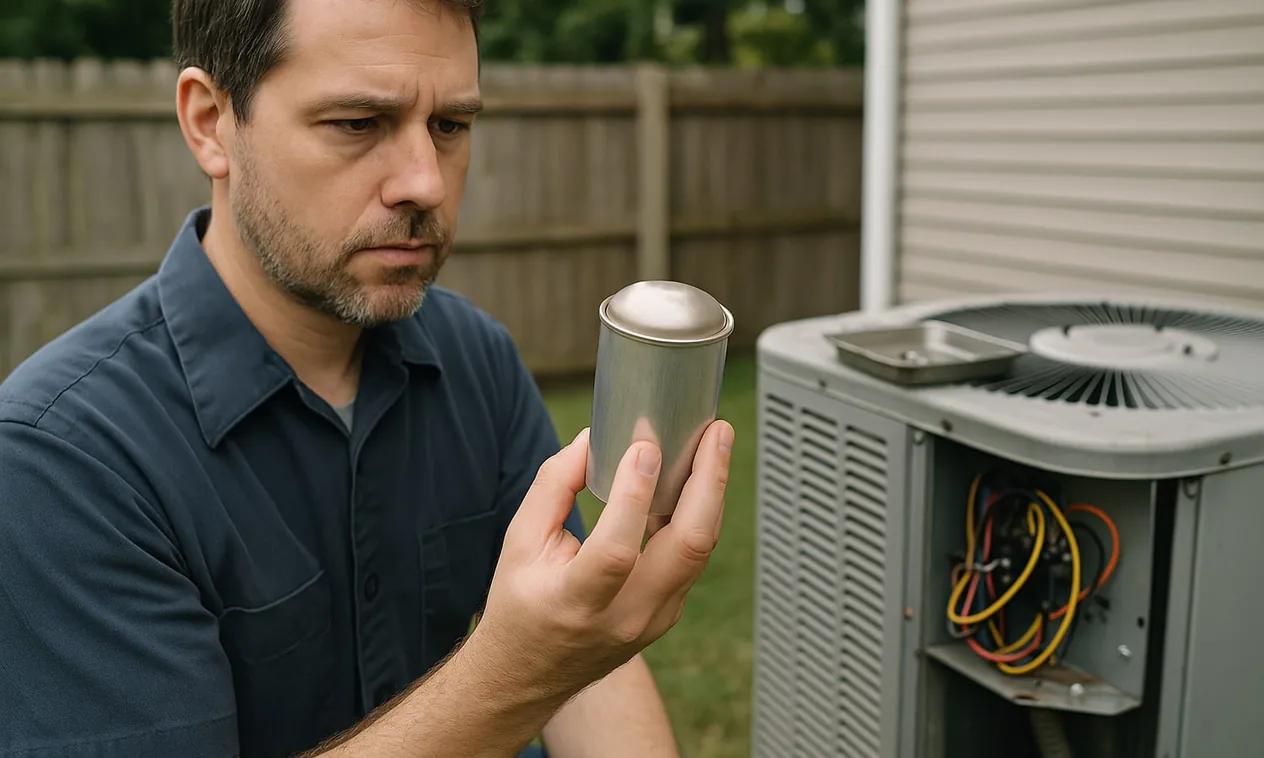
A tune-up is only useful if you know what the findings mean. Some need a repair before fall. Others are routine maintenance or something to watch.
Fix a weak capacitor, a restricted drain, a serious airflow problem or poor cooling performance before the system faces another stretch of heavy use. A dirty filter or light coil dust is routine maintenance. The test is simple: can the finding stop the system or cut its performance soon?
| Common finding | Recommended action | Why it matters before fall |
|---|---|---|
| Weak capacitor | Fix now | Can fail when the compressor or fan needs to start |
| Restricted condensate drain | Fix now | Can cause water backup or a system shutdown |
| Abnormal temperature performance | Diagnose now | May indicate airflow, coil, or refrigerant problems |
| Dirty filter | Replace | Restricted airflow makes the system work harder |
| Light coil buildup | Clean or monitor | Can gradually reduce heat transfer |
| Minor pan surface rust | Monitor | Gives you time to address corrosion before a leak develops |
We sort each finding into fix now or watch, and any AC repair is quoted in writing before work starts.
Does a fall tune-up change if you have a heat pump?
A heat pump raises the stakes on the fall visit. The outdoor unit that cooled your house all summer is about to run in reverse and heat it, carrying the same summer wear. Fall heat pump maintenance in Atlanta has to cover both jobs.
The technician checks the reversing valve, the part that switches the unit between cooling and heating. The outdoor coil gets inspected, and the defrost cycle is tested so the unit clears ice on a cold morning.
An all-electric heat pump has no furnace to fall back on. A fault the AC side hid all summer becomes a heating problem the moment temperatures drop. The backup heat strips get tested to confirm they switch on when the outdoor unit cannot keep up.
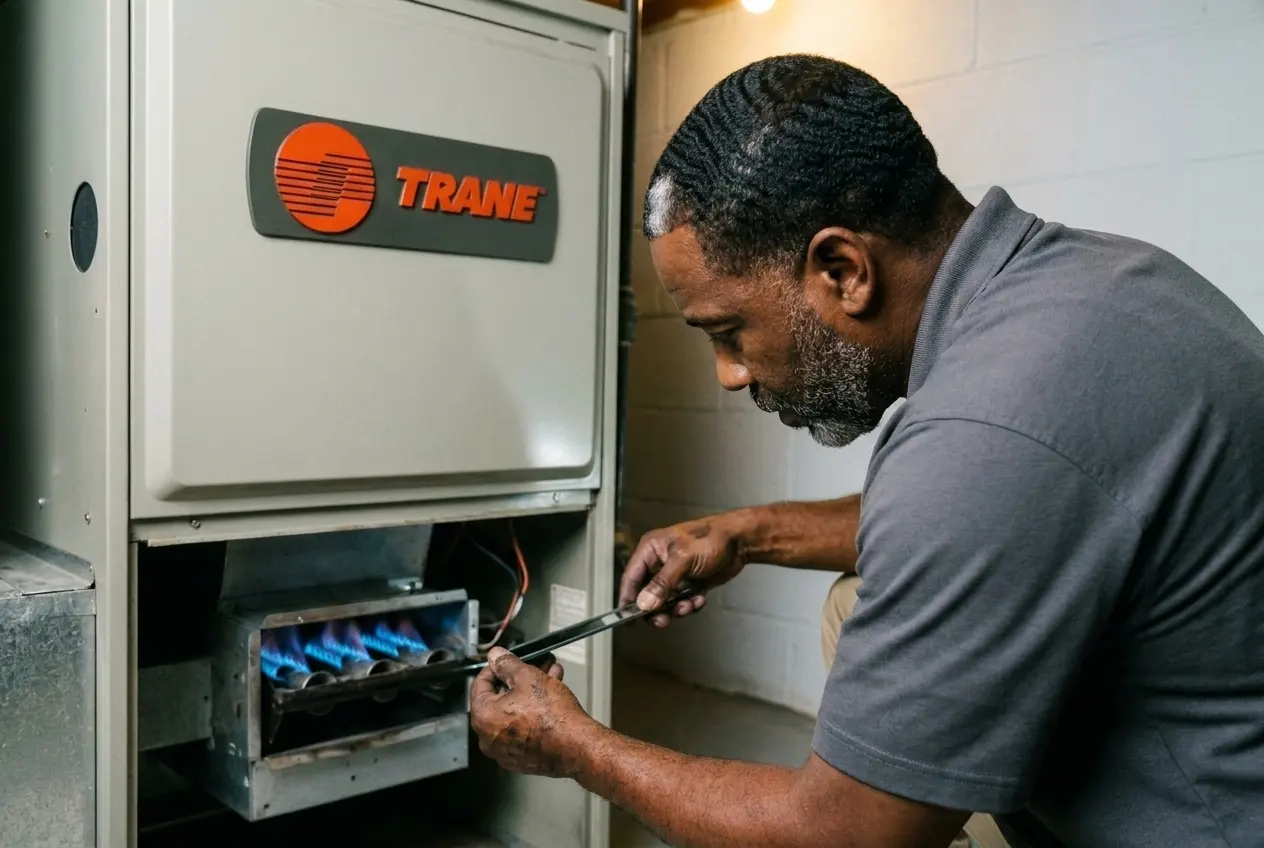
A hybrid system pairs the heat pump with a gas furnace for backup, and that furnace needs its own fall check.
Why choose Indoor Experts Heating & Air Conditioning for AC tune-ups in Atlanta?
Indoor Experts Heating & Air Conditioning has serviced Atlanta homes since 2014, and we are rated 4.8 stars on 100+ Google reviews. Our cooling tune-up measures superheat and subcooling, tests the capacitor and clears the drain line, so summer wear gets found before fall.
Our Comfort Club maintenance plan costs $239 a year for one system. It covers a cooling visit in spring and a heating visit in fall. Members save 15% on repairs and move to the front of the schedule.
For heat pump owners, that fall visit covers the same unit that did the summer's cooling. In a home with an AC and a gas furnace, the fall visit goes to the furnace. If the AC worked through a long summer, book a separate AC tune-up.
Book your tune-up online or call (404) 913-5802 before fall's temperature swings arrive.
Frequently asked questions
How long does a post-summer AC tune-up take?
A single-system visit usually runs 45 to 90 minutes, longer if the coils are heavily fouled or a repair is needed. An air handler in a tight crawlspace or attic also adds time.
My AC cooled fine all summer. Can I skip the fall visit?
If the system is newer and was serviced in spring, you can wait for the heating-season visit. Cooling fine is not proof of health, though. A weak capacitor and a slow condensate drain give no warning before they fail.
What can I check myself before calling a technician?
Change or check the filter, clear leaves and debris off the outdoor condenser, and confirm the drain line is dripping outside during a run. Sealed refrigerant, electrical components, and any combustion parts are not safe to inspect yourself and should be left to a technician.
Does a weak capacitor always mean the AC will stop working?
Not immediately. A capacitor can test low for weeks while the system still starts, but sustained heat accelerates the decline. It is cheap to test and replace, which is why a technician checks it early on any system that ran hard through the summer.
When should you schedule fall AC service?
Early to mid fall, before the first cold snap, when demand is lighter and you can still run the AC to verify any fix. Wait until heating season and the AC side gets a rushed check or none until spring.