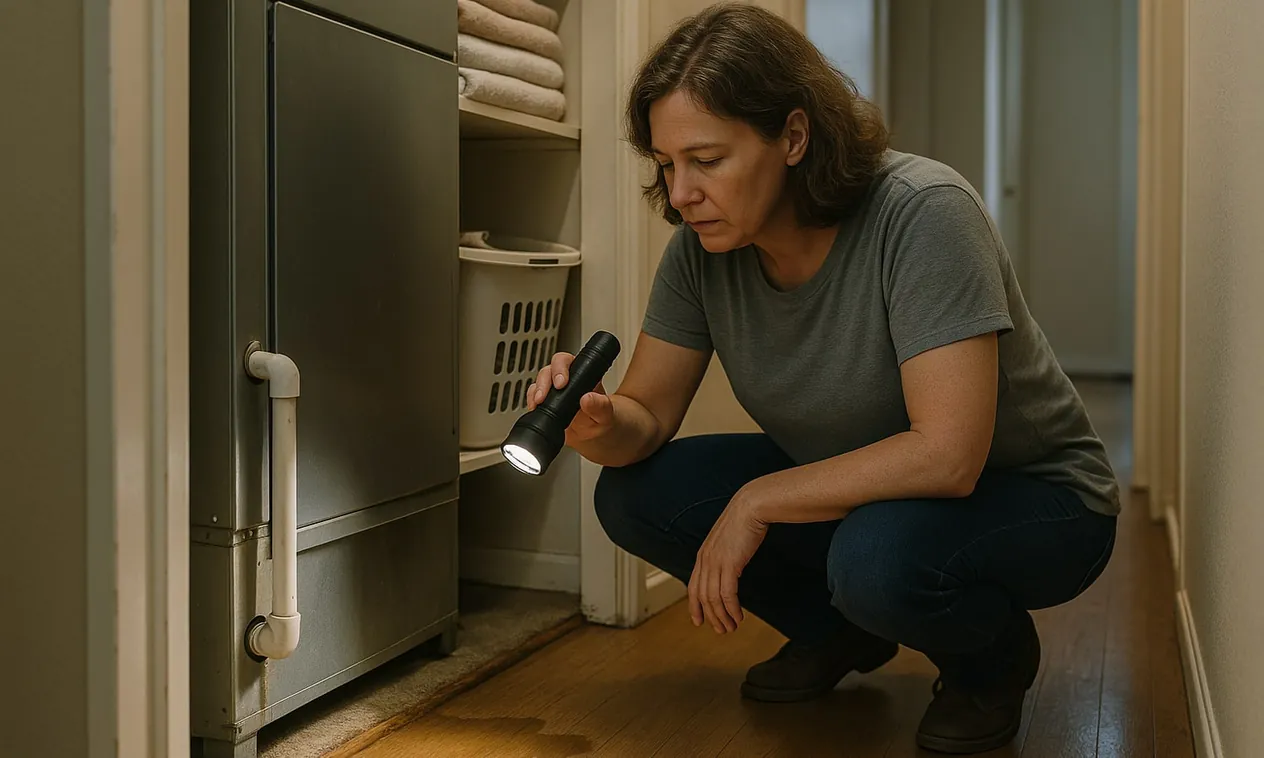
Buying a house with a heat pump means inheriting a heating and cooling system that may have years of reliable service ahead, or one that has been running without proper maintenance. If the previous owner left no service records, you may not know the equipment's age, refrigerant charge or system performance, or whether its winter heating controls work correctly. A first winter maintenance visit establishes a baseline before colder weather puts the system under greater demand.
For Atlanta homeowners, this inspection matters even when the heat pump appeared to work well during summer. Cooling performance alone does not confirm that the system can heat your home efficiently, switch between operating modes, defrost its outdoor coil, or engage auxiliary heat when necessary. Some faults remain hidden until temperatures drop.
A technician should document the system's age and condition, inspect indoor and outdoor components, test heating operation, and check thermostat configuration. Ideally, schedule this visit in fall before the first significant cold snap. You will have time to address problems, understand the equipment you inherited, and plan future maintenance without rushing during a breakdown.
How does a heat pump heat your house in winter?
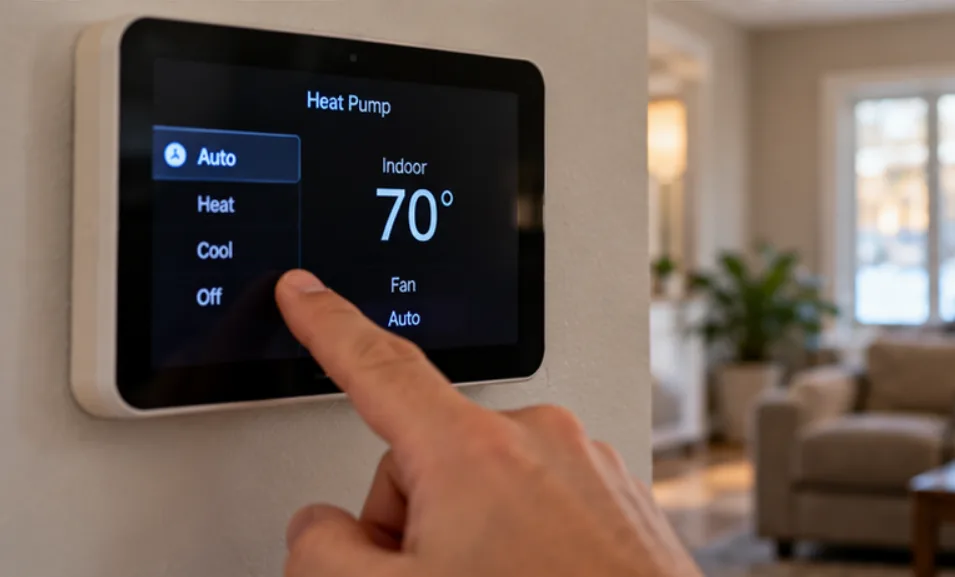
A heat pump transfers heat rather than producing it through fuel combustion. During winter, the refrigeration cycle extracts available heat from outdoor air and transfers it indoors. This process can provide efficient heating during Atlanta's relatively mild winter weather, although performance changes as outdoor temperatures fall.
Heat pumps also deliver warmth differently from gas furnaces. Supply air may feel lukewarm compared with the hotter air coming from a furnace, even when the system is working correctly. Longer operating cycles are common because the system maintains indoor temperatures through a steadier flow of warm air rather than short bursts of high-temperature heat.
Another normal behavior is the defrost cycle. Moisture can freeze on the outdoor coil during cold weather, so the heat pump periodically reverses its operation to melt accumulated frost. You may notice temporary changes in airflow or steam rising from the outdoor unit. These can be normal, but persistent heavy ice or a system that struggles to resume heating deserves professional attention.
What should the first visit establish on an inherited heat pump?
Before adjusting or replacing anything, the technician needs to identify the equipment and assess its current condition. The outdoor unit's data plate provides the manufacturer, model, and serial number, which can help establish its approximate age. Many heat pumps provide around 12 to 15 years of service, although installation quality, operating hours, climate, and maintenance history can shorten or extend that range.
Key details to establish include:
- Equipment age: Identify the model and estimate the manufacture date.
- Service history: Review available receipts, warranties, and previous repair records.
- Heating performance: Confirm that the system heats the home and responds to thermostat calls.
- System condition: Document visible wear, corrosion, damaged wiring, or airflow concerns.
- Recommended repairs: Separate immediate problems from maintenance suggestions and future replacement considerations.
The first inspection should create a written baseline rather than end with a general statement that everything looks fine. Ask for documentation of the equipment's age, operating condition, thermostat settings, refrigerant-related findings, and any repairs recommended. This record gives you a useful comparison point during future service visits.
What does the technician check on the outdoor unit?
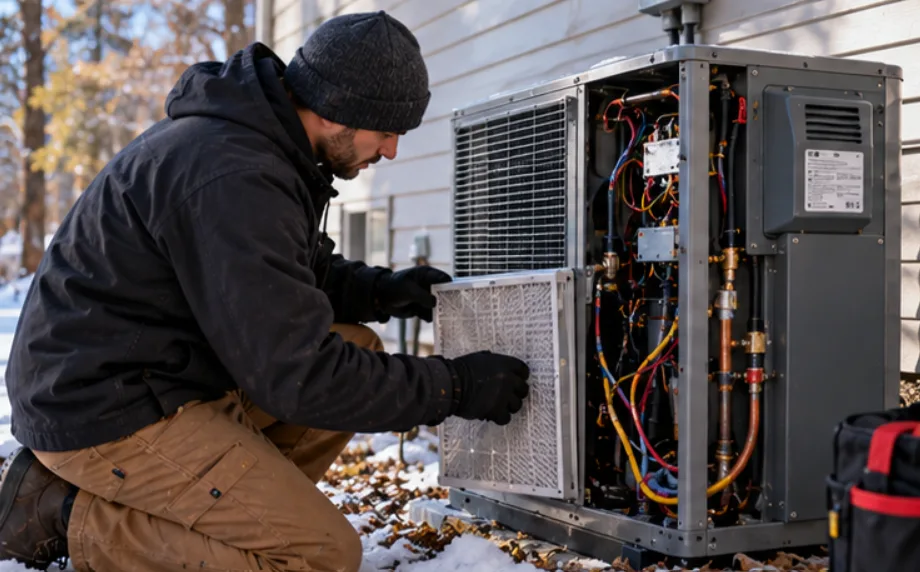
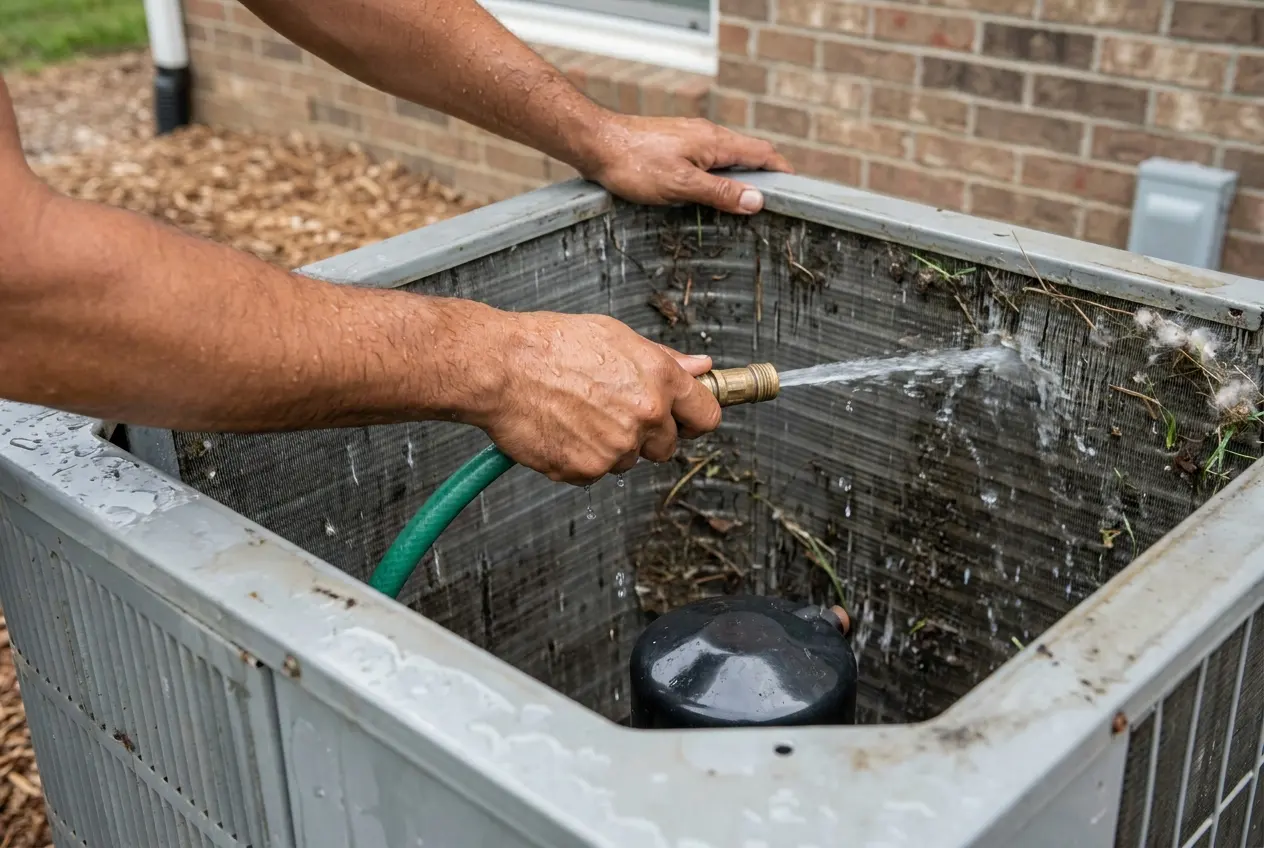
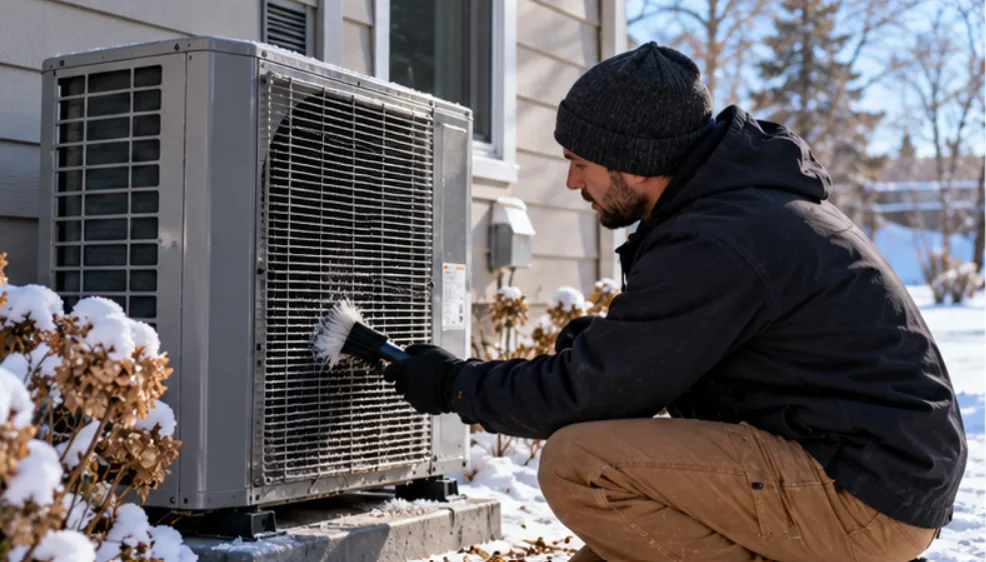
The outdoor unit absorbs heat from the air during heating operation, making its coil, fan, sensors, and controls important parts of the inspection. Leaves, grass clippings, dirt, and restricted airflow can interfere with heat transfer. The technician should examine the cabinet, coil surfaces, fan operation, and surrounding clearance to identify problems that could reduce heating performance.
Other outdoor checks include:
- Refrigerant performance: Use appropriate measurements and operating conditions to evaluate whether the system is performing as expected. Low refrigerant can indicate a leak that needs to be located and repaired.
- Reversing valve: Confirm that the system switches between heating and cooling correctly.
- Electrical components: Inspect connections, contactors, capacitors where applicable, and other controls for signs of wear or damage.
- Fan and compressor operation: Listen for unusual noise and check for abnormal operation.
- Coil condition: Identify dirt, bent fins, corrosion, or obstructions that could affect airflow and heat transfer.
The defrost system also deserves attention before winter. A technician can check the relevant sensors and controls and verify that the unit initiates and completes defrost operation appropriately. Some frost can be normal during cold, damp weather; persistent ice that covers the coil or prevents normal operation may indicate a defrost fault, airflow issue, or another problem that needs diagnosis.
What does the indoor side of the inspection cover?
The indoor air handler distributes heated air through the home's ductwork. It typically contains a blower and indoor coil, while many ducted heat pumps also use electric resistance heat strips as supplemental heating. The technician should inspect these components, confirm normal airflow, and check that the system responds correctly when the thermostat calls for heat.
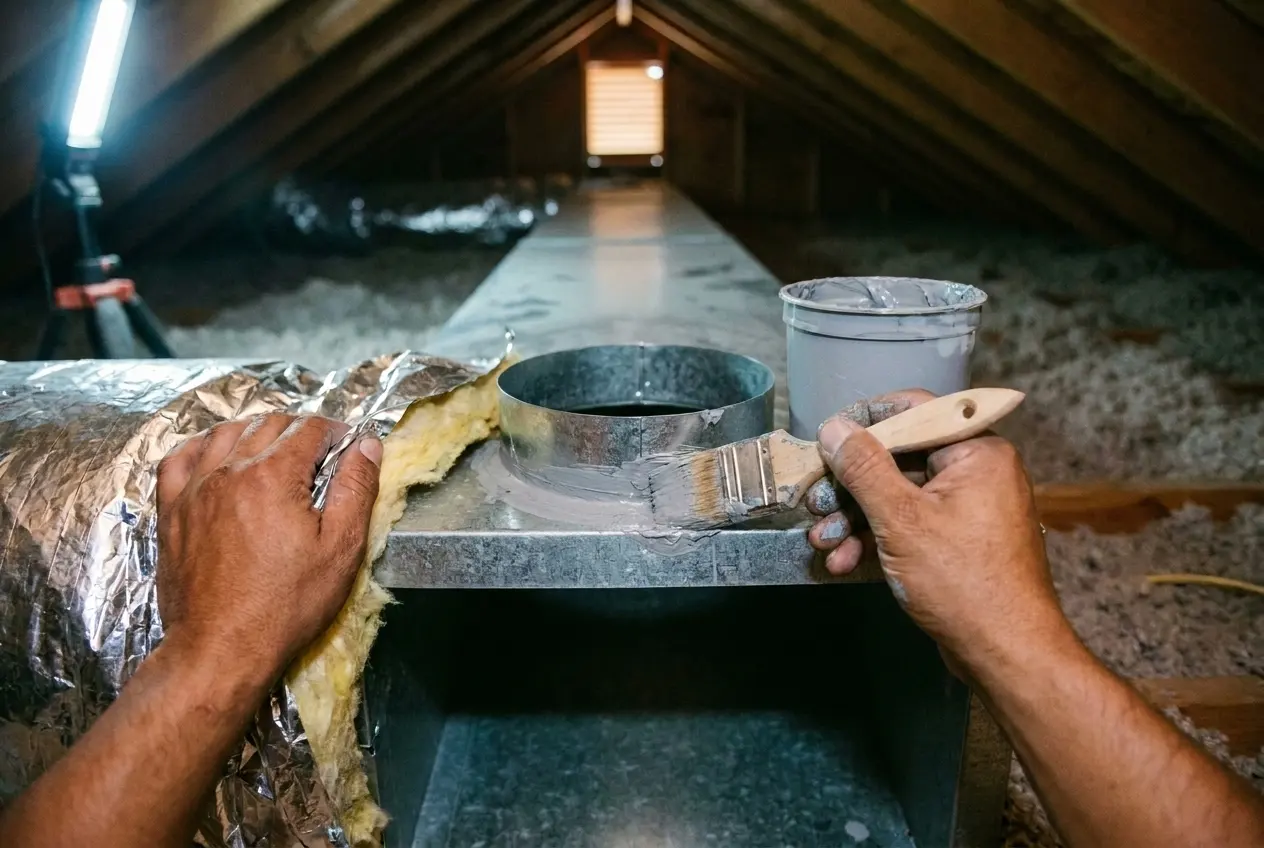
The air filter deserves particular attention because a clogged filter restricts airflow and can make the system work harder. The technician should also look for dirty coils, unusual blower noise, loose electrical connections, and signs of duct leakage. These issues can cause uneven temperatures or extended run times even when the outdoor unit is operating normally.
The indoor inspection should cover:
- Blower motor and airflow: Confirm the blower operates correctly and moves air through the system.
- Indoor coil: Check for dirt, corrosion, and other conditions that reduce heat transfer.
- Air filter: Inspect its condition and replace it if needed.
- Electric backup heat: Test the auxiliary heat strips and their controls where installed.
- Ductwork: Look for visible damage, leakage, restrictions, and poorly connected sections.
- Condensate drainage: Check the drain system where applicable to the equipment and installation.
These checks are especially useful in older Atlanta homes, where original ductwork, limited insulation, or air leaks may contribute to uneven heating. If one room stays cold while others feel comfortable, the cause may involve the home's air distribution rather than a failing heat pump alone.
Why does the technician check the thermostat and backup heat?
A heat pump depends on the thermostat and its control settings to determine when heating should operate and when supplemental heat is needed. Incorrect wiring, unsuitable staging settings, or a thermostat configured for the wrong equipment type can interfere with normal operation. The technician should verify the configuration, test the heating call, and confirm that the system changes operating modes as intended.
Auxiliary heat usually refers to electric heat strips that help the heat pump meet demand when needed. Emergency heat is a thermostat mode intended for situations when the heat pump itself cannot operate properly. These settings are not interchangeable in every system, so the technician should explain how your particular equipment is designed to work.
| Thermostat or system behavior | What it may mean | What to check |
|---|---|---|
| Warm air feels cooler than furnace air | Often normal heat pump operation | Confirm the home reaches the set temperature |
| Auxiliary heat runs briefly during colder weather | May be normal supplemental operation | Review system settings and operating conditions |
| Backup heat runs frequently in mild weather | May indicate a control or equipment issue | Check thermostat staging and system performance |
| Emergency heat stays on | The heat pump may be disabled or unable to operate | Confirm the reason before continuing normal use |
| Indoor temperature keeps falling | The system may not be meeting the home's heating demand | Arrange a heating performance assessment |
Because electric resistance backup can use substantially more electricity than normal heat pump operation, unnecessary activation may increase utility bills. Keep the thermostat at a consistent, comfortable setting rather than making large temperature increases that may trigger supplemental heat. Follow the equipment manufacturer's instructions, especially if you are unfamiliar with the thermostat.
Why can Atlanta's mild winters hide heat pump problems?
Atlanta's winter weather often allows a heat pump to handle the home's heating demand without relying heavily on supplemental heat. That can make a system with reduced capacity appear acceptable during mild afternoons. When a colder night arrives, however, the same equipment may struggle to maintain the desired indoor temperature.
Moisture is another consideration. During cool, damp conditions, frost can accumulate on the outdoor coil, and the defrost system must remove it so the heat pump can continue transferring heat. A failing sensor, control issue, or other defect may go unnoticed until frost builds up enough to interfere with performance.
Older homes can introduce additional challenges through air leakage, insufficient insulation, or poorly balanced ductwork. Before concluding that a heat pump is too small or needs replacement, have the technician assess the equipment and the home's heating performance together. A system may need a repair, airflow correction, or improvements to the building envelope rather than a complete replacement.
When should you schedule the first heat pump maintenance visit?
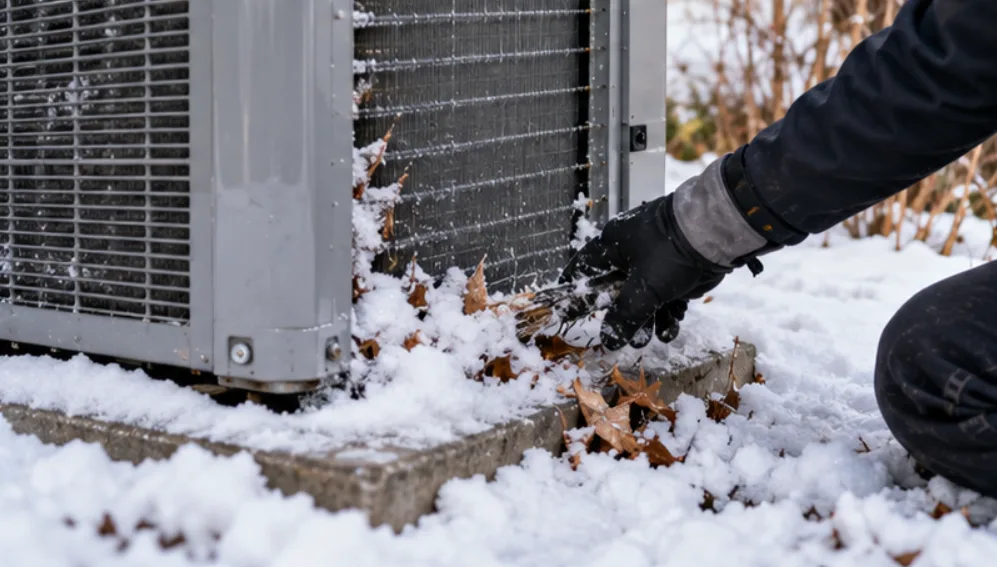
Fall is a practical time to arrange the first inspection because it allows problems to be identified before sustained heating demand begins. If you have just moved in during winter, schedule an assessment as soon as practical, especially if the equipment's history is unknown or you notice unusual performance. Do not wait for a complete breakdown to investigate warning signs.
| Timing | Main purpose | What it helps address |
|---|---|---|
| Fall, before colder weather | Establish a heating baseline | Defrost operation, heating controls, backup heat, and airflow |
| Winter, if problems appear | Diagnose abnormal performance | Persistent icing, weak heating, unusual noise, or excessive backup heat |
| Spring, before cooling season | Prepare for summer operation | Cooling performance, coils, drainage, and electrical components |
After the initial visit, follow the manufacturer's maintenance recommendations. Many HVAC professionals recommend servicing heat pumps twice a year, before the heating and cooling seasons, because the equipment operates year-round. Indoor Experts also offers an HVAC maintenance plan for ongoing seasonal care. The appropriate schedule depends on the model, operating conditions, and findings from the first inspection.
What warning signs should you watch for after the visit?
A maintenance inspection establishes the system's condition at that time, but it cannot guarantee that no component will fail later. Pay attention to changes in comfort, noise, energy use, and how often the system relies on backup heat. Recognizing these patterns early can help you arrange diagnosis before a minor issue becomes a larger disruption.
Contact a qualified technician if you notice:
- Persistent outdoor ice: Frost does not clear or the coil remains heavily iced.
- Weak heating: The home cannot reach the thermostat setting under conditions the system should handle.
- Frequent emergency heat use: The heat pump is not operating normally or the controls need investigation.
- Unusual electrical or mechanical sounds: Buzzing, grinding, or repeated clicking may signal a fault.
- Sudden increases in electricity use: The system may be relying on supplemental heat or operating inefficiently.
- Repeated cycling or shutdowns: The system starts and stops abnormally or fails to complete heating cycles.
Do not chip ice off the outdoor coil or attempt refrigerant or electrical repairs yourself. Keep the unit's airflow clear and follow the manufacturer's instructions for basic homeowner care. If the system stops heating, follow the thermostat and equipment guidance and arrange professional service rather than repeatedly resetting the equipment.
Why choose Indoor Experts for heat pump maintenance in Atlanta?
Buying a home with an unfamiliar heat pump does not have to mean waiting until the first cold snap to find out whether it works properly. A thorough first-winter inspection can establish the equipment's condition, identify developing issues, and give you a clearer plan for future maintenance. Indoor Experts Heating & Air Conditioning provides heat pump service for Atlanta-area homeowners who want to understand the system they inherited and prepare it for seasonal demands.
Whether your heat pump needs routine maintenance, a closer look at its defrost cycle, or help diagnosing weak heating, start with a documented assessment. Explore heat pump service and repair in Atlanta or learn more about heat pump systems and services. Call (404) 913-5802 or schedule an HVAC visit before winter demand increases.
Frequently asked questions
Should I change how I operate a heat pump compared with a furnace?
Yes. Heat pumps generally work best with a steady thermostat setting rather than frequent, large adjustments. Raising the setting sharply may trigger auxiliary heat on some systems. Ask the technician to explain your thermostat's controls and recommended settings.
How can I find out how old the heat pump is?
Look for the model and serial number on the outdoor unit's data plate. The format varies by manufacturer, so a technician or the manufacturer's documentation may be needed to determine the approximate manufacture date. Available installation or service records can provide additional context.
Is it normal for a heat pump to run for long periods in winter?
Longer run times can be normal because heat pumps deliver heat gradually. If the home stays comfortable and the system operates as expected, continuous operation alone does not necessarily indicate a problem. If indoor temperatures fall, the unit cycles unusually, or backup heat runs excessively, have it checked.
Should I replace a heat pump that the previous owner neglected?
Not automatically. The first inspection should establish the system's age, condition, performance, and repair needs. A neglected system may still be serviceable, while an older unit with major component problems may make replacement worth considering.
What is the difference between auxiliary heat and emergency heat?
Auxiliary heat supplements normal heat pump operation when additional heat is needed. Emergency heat is generally selected when the heat pump cannot operate and the backup system must provide heat on its own. The exact behavior depends on the equipment and thermostat configuration.