Choose an Atlanta HVAC company by the problem you have, not by its star rating. Uneven rooms call for a contractor who measures duct airflow before quoting equipment. A replacement calls for a load calculation, not a copy of the old unit's size. A heat pump calls for a technician who tests it in heating mode.
Ratings and review counts still matter. They cannot tell you whether a contractor handles your kind of job. This guide matches five common Atlanta homeowner situations to the skills, questions and answers that separate a good fit from a poor one.
Why is no one HVAC company right for every Atlanta home?
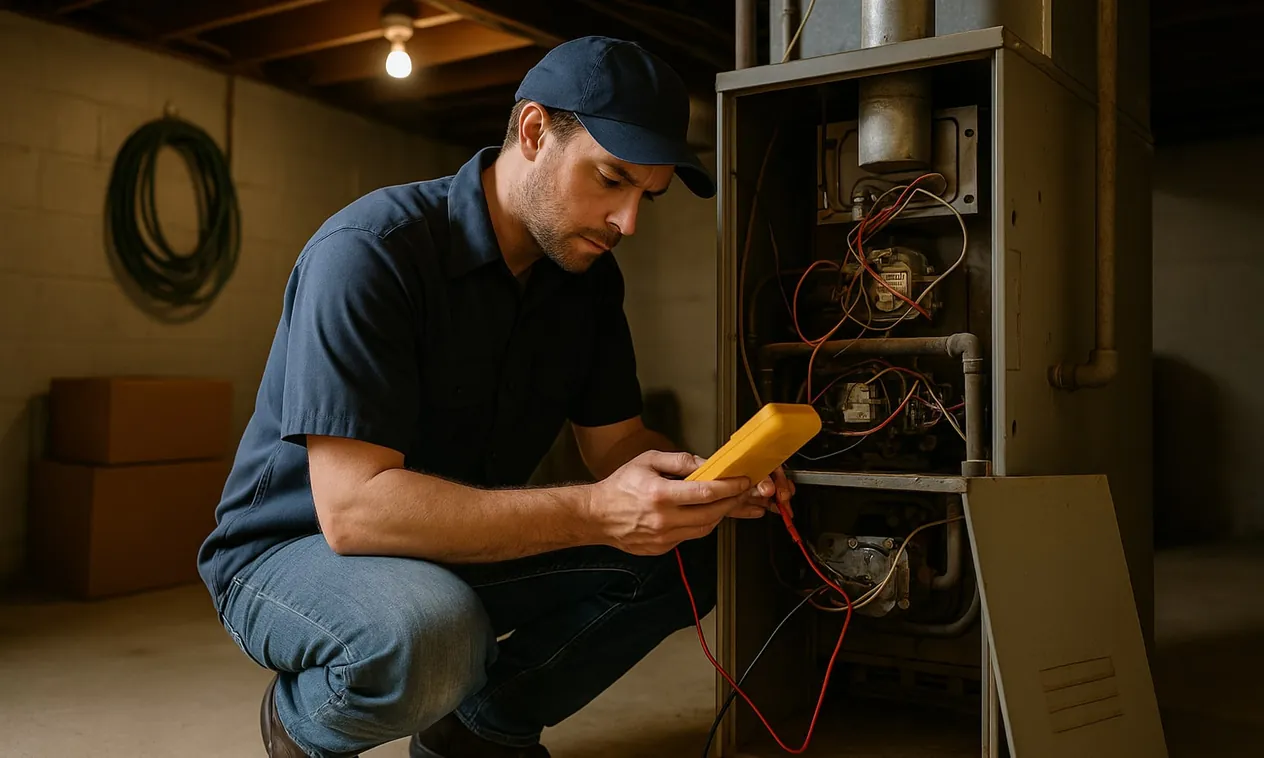
A star rating averages every kind of job a company has done. A contractor that does quick AC swaps well may struggle with airflow problems, and both land in the same score. What you need to know is whether the contractor handles the problem in your house.
A good contractor repairs most makes and models of furnaces, heat pumps and air conditioners. It prices the repair and the replacement side by side instead of reaching for a new install every time.
The repair-or-replace call matters because most systems run 15 to 20 years, and the decision lands in the back half of that span. A contractor who only installs reads that window differently from one who also repairs.
Your house decides a lot of this. Many older Atlanta homes had ductwork added decades after they were built, run through tight crawlspaces or knee-wall attics in long, leaky lines. A house like that calls for static pressure readings, the resistance air meets inside the ducts, and a contractor who understands duct design.
Timing matters too. Atlanta's cooling season runs from late April into October under heavy humidity, so systems log long hours. No-cool failures cluster in the same July and August weeks, and that is when a contractor's schedule gets tested.
How should you judge an Atlanta HVAC contractor beyond reviews?
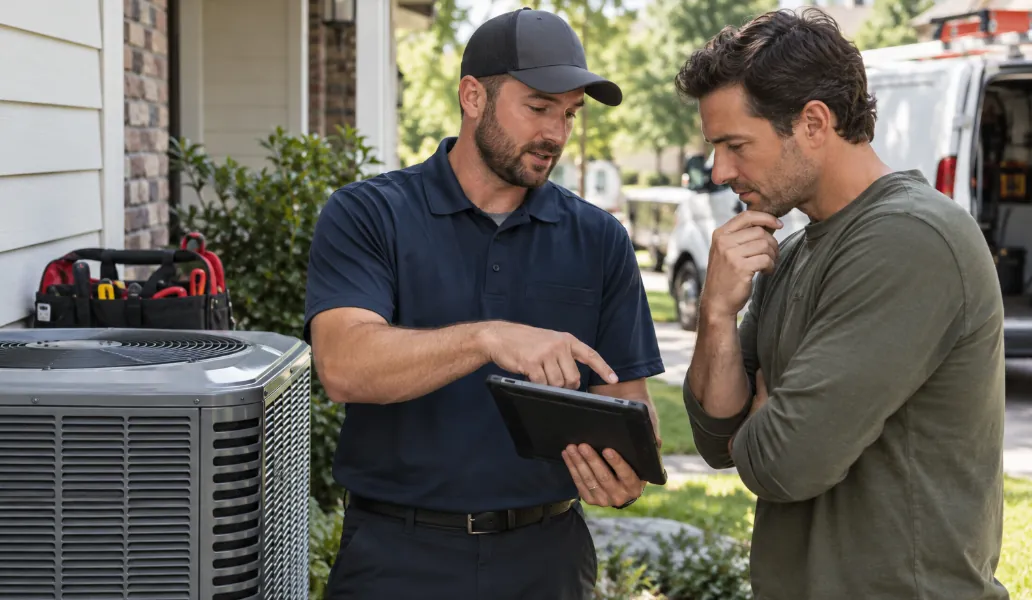
Look past the number and check what a rating cannot show. Georgia requires a state license for HVAC work, so start there. Then look at manufacturer credentials and how long the company has worked on local homes. Years in this climate mean a contractor has seen your era of house and your humidity load before.
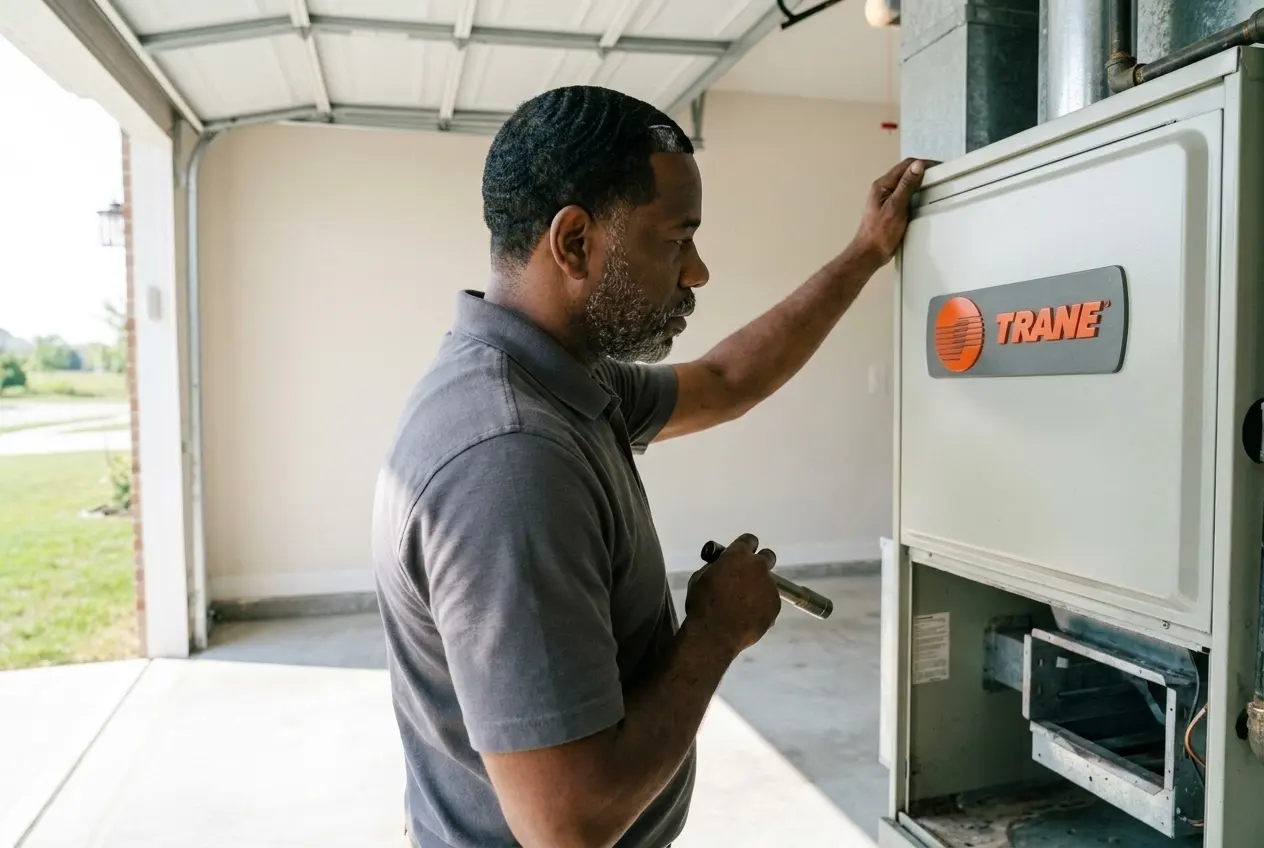
What you are screening for is a licensed local air conditioning contractor in Atlanta who explains the diagnosis before quoting anything. At Indoor Experts Heating & Air Conditioning, we hold Georgia Conditioned Air Contractor license CN211042, and we are a Trane Comfort Specialist.
Trane decides who keeps that status based on training and customer ratings. For you, it means the technician on your install has been trained on that equipment, not only licensed in general.
Use a short checklist when you call. These are the criteria worth confirming before a truck ever arrives:
- A current Georgia state HVAC license, verifiable by number
- Manufacturer credentials for the equipment they install
- Several years serving Metro Atlanta, not a brand-new operation
- Clear service coverage for your part of town and a straight answer on how soon they can come
- A stated diagnostic process, including what readings they take
- A written quote you approve before any work begins
A company that answers these directly is telling you how they work. One that dodges them is telling you something too.
Buying Trane equipment specifically? Our guide on how to choose a Trane dealer in Atlanta covers what to compare. For furnace work, see how to compare heating contractors in Atlanta.
Which HVAC company fits your situation as a homeowner?
Start with your situation, then check the contractor's experience against it. Uneven rooms, a summer breakdown, a planned replacement, a heat pump and routine maintenance each call for a different skill. Match that skill before you compare prices or review counts.
Which contractor suits an older home with uneven rooms?
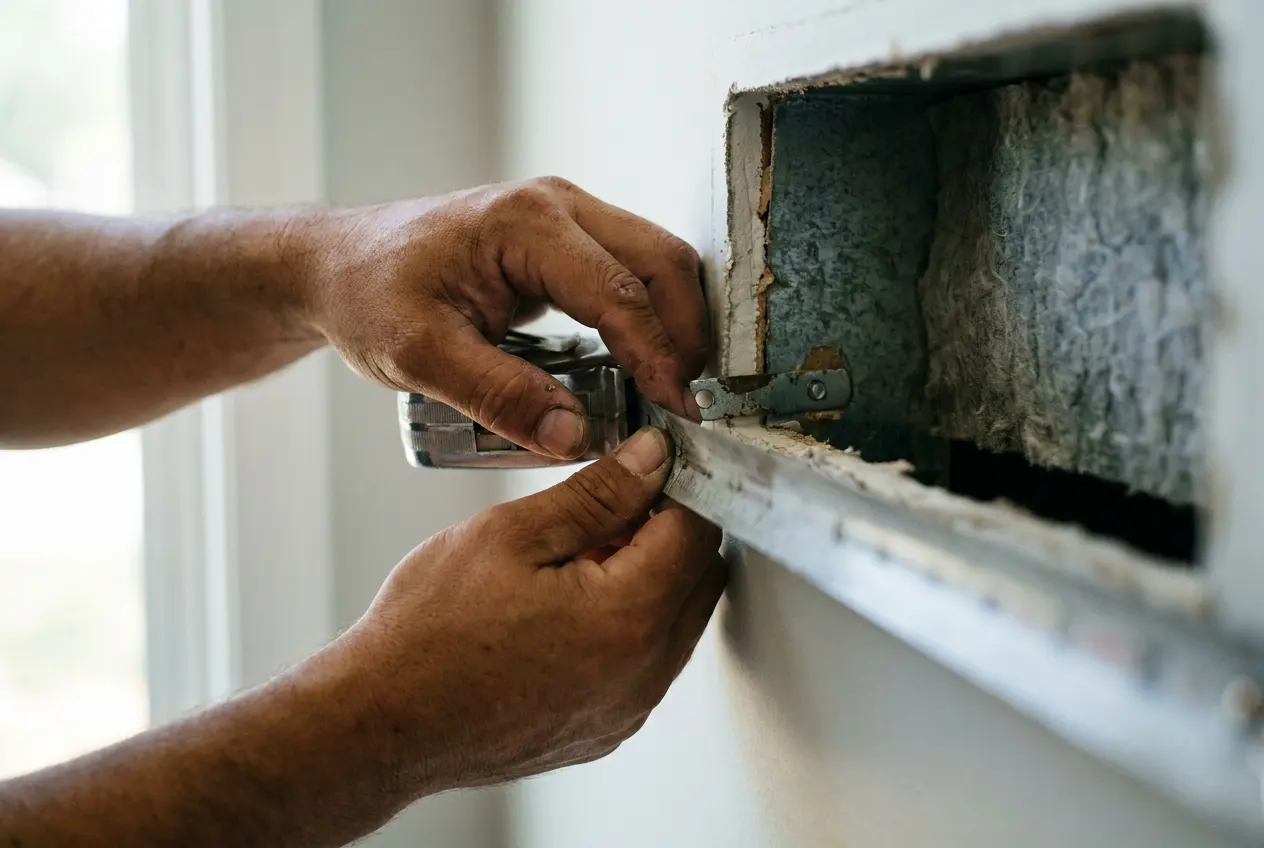
Choose a contractor who investigates the ductwork and airflow before recommending new equipment. A contractor who knows ducts measures static pressure, inspects the duct runs and checks whether each room gets its share of conditioned air. A new unit will not fix a duct problem. Ductwork design and installation will.
Who should you call when your AC quits in summer?
When your AC stops cooling in an Atlanta July, speed matters most. Ask for a firm arrival window and the diagnostic price before anyone drives out. The technician should find the failed part and price the repair before raising replacement.
We will not promise 24/7 service, because we do not offer it. We get to calls fast, often same-day, when the schedule allows, and our diagnostic is a flat $99.
What should you expect when planning an HVAC replacement?
An aging system that still runs gives you time to compare contractors. The right one evaluates the house, checks the existing ductwork and puts the price in writing. Ask how they size the new system. The answer should start with your house, not the capacity printed on the old unit.
What does a heat pump owner need from a contractor?
A heat pump heats and cools, so choose a contractor who services it in both modes. For heat pump repair in Atlanta, a technician who knows the equipment explains how they check defrost operation, supplemental heat and refrigerant performance. A contractor who tests it like a plain air conditioner is the wrong fit.
What should a maintenance-focused homeowner look for?
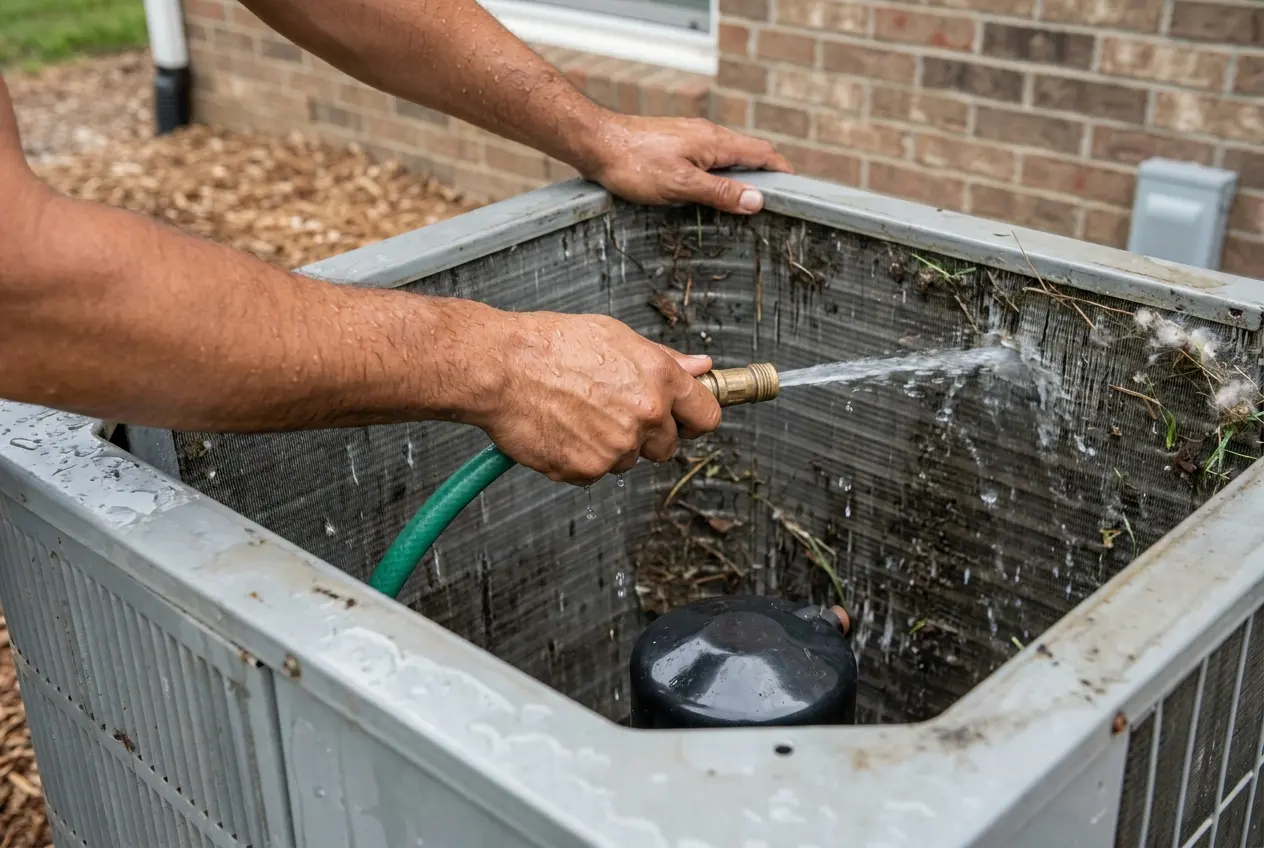
If your system works and you want to keep it that way, look for a detailed seasonal maintenance process. The contractor should tell you exactly what each visit covers, from electrical parts and coils to condensate drainage and airflow. You want documented work on every visit, not a plan sold on discounts alone.
What should you ask an Atlanta HVAC contractor on the first call?
Find your situation in the left column. The middle column is the skill to screen for, and the right column is the question that tests it.
| If you are this type of homeowner | Look for a contractor who can | Ask this question |
|---|---|---|
| You own an older home | Diagnose ductwork, airflow, and comfort issues | “Will you check static pressure before recommending new equipment?” |
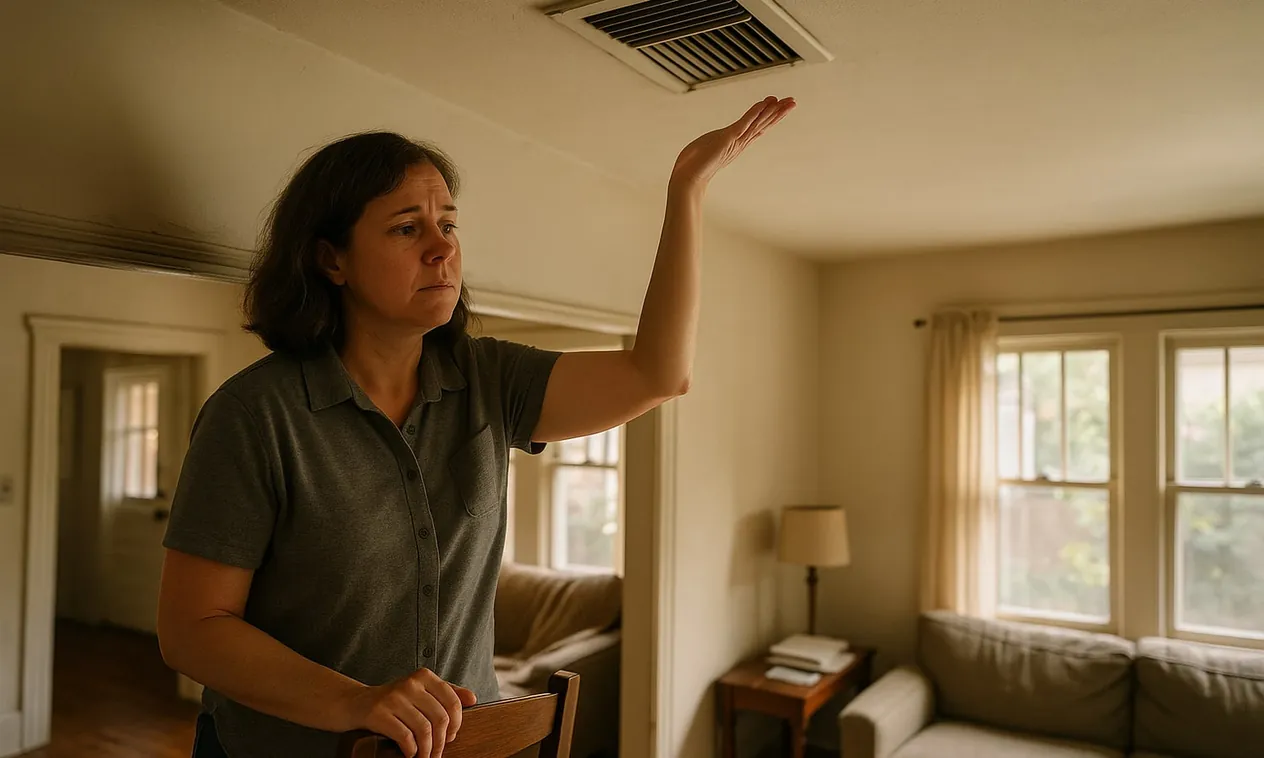
| Your upstairs or back rooms stay hot | Investigate airflow, ductwork, insulation, and equipment performance | “How will you determine why this room is not cooling properly?” |
| Your AC stopped working during summer | Give a firm arrival window and a diagnostic price | “How soon can you come, and what does the diagnostic cost?” |
| You are planning an HVAC replacement | Size equipment for the home and explain installation options | “How will you determine the right system size for my house?” |
| You have a heat pump | Diagnose and service heat pumps in both heating and cooling modes | “How do you test a heat pump when it is heating?” |
| You want to prevent future breakdowns | Perform detailed seasonal maintenance | “What exactly do you check during a maintenance visit?” |
| You are unsure whether to repair or replace | Diagnose the existing system and explain both options | “What is the repair cost compared with replacement?” |
Two or three calls with these questions will narrow your list faster than an afternoon of reading reviews.
Are HVAC maintenance plans worth tying yourself to one company?

A maintenance plan earns its place when it delivers a tune-up ahead of summer and another ahead of winter. That rhythm catches small faults before they turn into July breakdowns. Atlanta humidity makes it more than a formality, because constant moisture loads coils, condensate lines and blowers harder than a drier climate does.
Regular AC maintenance in Atlanta keeps a system ahead of the humidity load. A plan is only worth the commitment when each visit is thorough work, not a quick look. Check what a visit includes before you weigh any discount:
- Coil cleaning, both condenser and evaporator
- Capacitor and contactor testing under load
- Refrigerant charge measured by superheat and subcooling, not a quick gauge glance
- Condensate line clearing and drain check
- Static pressure and airflow reading
The Comfort Club maintenance plan from Indoor Experts Heating & Air Conditioning covers both seasonal visits for $239 a year on one system. Members also get 15% off any repair and priority scheduling.
One habit needs no plan at all. Check the filter every 30 to 90 days and match its rating to your system. A MERV 8 to 11 filter catches fine dust without choking airflow. A filter too dense for the system starves it of air and makes everything work harder.
Why choose Indoor Experts Heating & Air Conditioning for HVAC service in Atlanta?
Indoor Experts Heating & Air Conditioning has served Atlanta homeowners since 2014. We hold 4.8 stars from 100+ Google reviews and an A+ rating with the BBB. We do not hand your job to a subcontractor.
Leaning toward a new system? AC installation and replacement starts with a free in-home estimate and a system sized to your house. Want to keep a working system healthy? The Comfort Club handles both seasonal tune-ups.
Call (404) 913-5802 or schedule online to have a technician look at your system before the next heat wave forces a rushed decision.
Frequently asked questions
Do star ratings tell you which HVAC company to hire?
Not on their own. Ratings reflect volume and recency more than fit for your problem. Read the reviews that describe a job like yours, such as uneven rooms or a heat pump install. Then confirm a Georgia state HVAC license and manufacturer credentials before you weigh the number.
How do I know if a company specializes in heat pumps?
Ask how they check refrigerant charge and whether they measure the temperature split with the heat pump in heating mode. A specialist will talk about defrost cycles and how the backup heat stages in. Vague answers or a pitch built on the brand name suggest heat pumps are a sideline.
Should I use the same company for repairs and eventual replacement?
It helps if they do both well, because they already know your equipment and duct layout when the day comes. A company that only installs may push replacement early. One that only repairs may keep patching a system past the point where it makes sense.
When should you book HVAC work in Atlanta?
The shoulder seasons, early spring and mid-fall, when no-cool and no-heat calls slow down. Scheduling is faster and the diagnosis less rushed. In the July and August peak, technicians triage breakdowns and have less time for a subtle airflow problem.
What questions separate a good contractor from a salesperson?
Ask why they recommend a particular size, which static pressure or refrigerant readings they took, and what a repair costs against replacement. A specific answer shows diagnosis. A vague reply, or a replacement quote before anyone has measured anything, is a signal to get a second opinion.