Skip to content
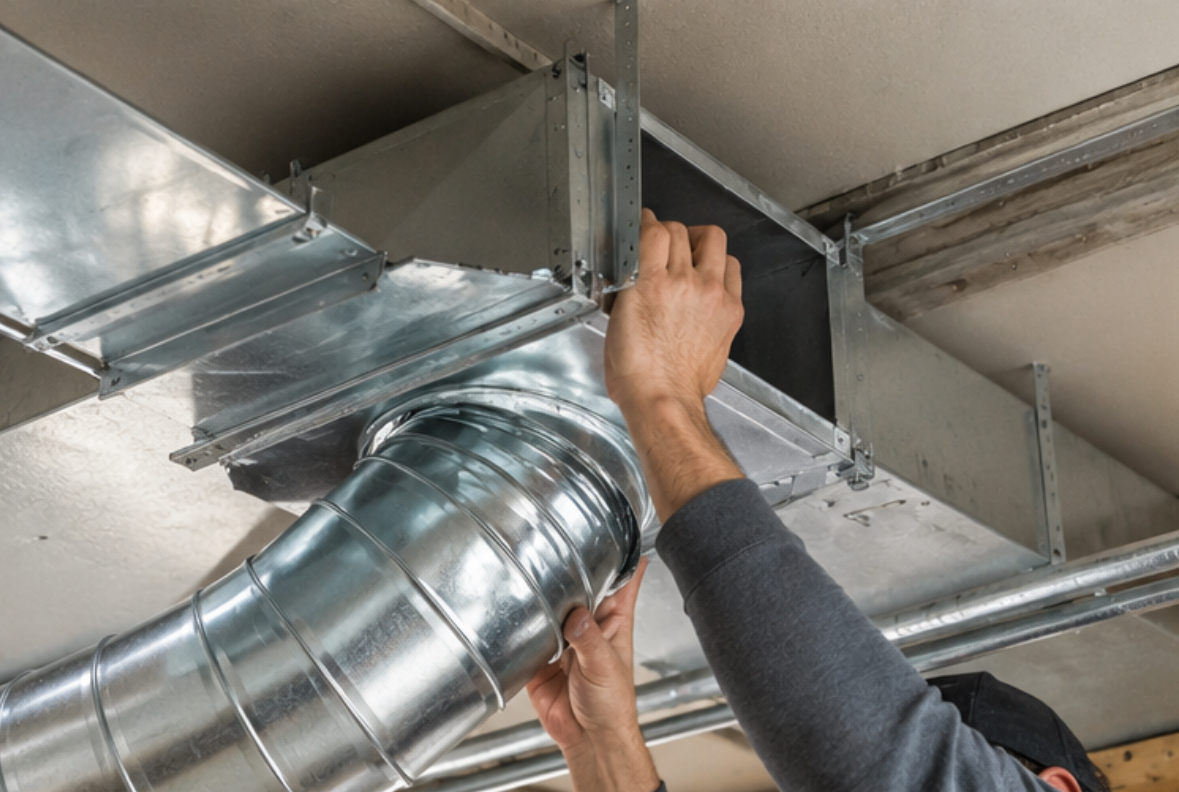
In Atlanta, your HVAC system often runs for long stretches through humid summers, mild winters, and heavy pollen seasons. Yet even the most efficient air conditioner or furnace cannot perform properly if the ductwork is poorly designed. Ducts are the delivery system that carries conditioned air to every room, and when airflow is restricted or unbalanced, comfort problems quickly appear.
Many homeowners assume uneven temperatures are caused by the HVAC unit itself, when the real issue is hidden behind walls, ceilings, and attic spaces. In two-story Atlanta homes, bonus rooms, and finished basements, improper duct sizing can lead to hot upstairs bedrooms, weak airflow, and excessive humidity. Investing in professional ductwork design and installation helps your entire HVAC system operate the way it was engineered to perform.
Why Ductwork Plays a Critical Role in HVAC Performance

Your heating and cooling equipment can only deliver comfort if air moves efficiently through the duct system. Even a high-efficiency system with a strong SEER2 rating will underperform if supply and return ducts are undersized, leaking, or poorly routed.
In Atlanta homes, attic temperatures regularly exceed 130°F during summer afternoons. When ducts are improperly insulated or sealed, conditioned air can lose significant cooling capacity before it reaches living spaces. According to industry estimates, duct leakage can waste 20% to 30% of conditioned air in many homes.
Well-Designed Ductwork Improves Several Aspects of HVAC Performance
- Balanced Airflow: Delivers the right amount of conditioned air to each room for more even temperatures.
- Humidity Control: Helps your air conditioner remove moisture more effectively during Atlanta’s long, humid summers.
- Lower Energy Use: Reduces wasted cooling and prevents unnecessary system runtime and short cycling.
- Quieter Operation: Minimizes whistling vents, rattling ducts, and excessive airflow turbulence.
- Cleaner Indoor Air: Limits dust, insulation particles, and attic contaminants entering the HVAC system.
- Longer Equipment Life: Reduces strain on blower motors, compressors, and other critical components.
If your home has stubborn hot spots, weak airflow, or rooms that never seem comfortable, the duct layout may be the real issue. Correcting these hidden design flaws can dramatically improve how evenly your home cools and reduce the strain on your HVAC system.
How Poor Duct Design Leads to Uneven Temperatures and Weak Airflow
If some rooms in your home feel comfortable while others remain warm and stuffy, duct design is often the underlying problem. This is especially common in Atlanta homes with large open living areas, vaulted ceilings, and second-story bedrooms exposed to intense attic heat.
Undersized ducts restrict airflow, while oversized ducts can reduce air velocity and weaken system performance. Long duct runs, sharp turns, and poorly placed return vents further reduce the amount of conditioned air reaching distant rooms.
Common warning signs of poor duct design include:
- Hot Upstairs Bedrooms: Second-floor rooms stay noticeably warmer, especially during Atlanta’s hottest summer afternoons.
- Weak Air at Certain Vents: Some registers deliver very little airflow, leaving rooms stuffy and uncomfortable.
- Whistling or Rushing Sounds: Restricted ductwork creates excess static pressure and noisy airflow through vents.
- Persistent Indoor Humidity: Your AC runs for hours, but the air still feels damp and clammy.
- Frequent Thermostat Adjustments: You constantly lower the temperature trying to cool problem areas.
- Unexpectedly High Utility Bills: The HVAC system runs longer to overcome airflow restrictions and duct leakage.
When duct size and static pressure are properly engineered, airflow becomes more predictable and balanced. This allows every room to receive the right amount of conditioned air while helping your blower motor and other components operate within safe design limits.
The Importance of Proper Duct Sizing and Static Pressure Control

Duct sizing is not based solely on the square footage of your home. HVAC professionals use Manual D calculations to determine the exact duct dimensions needed to deliver the proper airflow to each room. These calculations are based on the equipment capacity established through Manual J load calculations and manufacturer airflow requirements.
Static pressure refers to the resistance your blower must overcome to move air through the duct system. When pressure becomes too high, airflow drops and components experience increased wear.
Matching Duct Size to Your HVAC System
Correct duct sizing ensures your blower can deliver the airflow your equipment needs—typically around 350 to 450 CFM per ton of cooling, depending on the system design and humidity goals. In Atlanta, proper airflow is especially important because air conditioners must remove both heat and moisture during long summer cycles.
Managing Airflow Resistance
Every elbow, transition, filter, and grille adds resistance to the system. Excessive bends, undersized returns, and restrictive filters can push static pressure beyond manufacturer limits, reducing performance and increasing noise.
How Static Pressure Affects Your HVAC System
| Duct Condition | What You Notice | Impact on Performance |
|---|---|---|
| Undersized ducts | Weak airflow | Uneven room temperatures |
| High static pressure | Whistling vents | Increased equipment wear |
| Poor return airflow | Stuffy rooms | Reduced comfort |
| Leaky connections | Dust infiltration | Lost conditioned air |
| Restrictive duct layout | Longer runtimes | Higher energy bills |
Because so much of your ductwork may be exposed to extreme attic conditions, insulation and sealing play a critical role in preserving cooling performance. Protecting ducts from heat and moisture helps more of the conditioned air reach your living spaces intact.
How Atlanta Attic Heat and Humidity Affect Duct Efficiency
In Atlanta, many HVAC ducts are installed in vented attics where summer temperatures commonly reach 120°F to 140°F. When cool air travels through poorly insulated ducts in these conditions, it absorbs heat before it reaches your living spaces. As a result, your air conditioner must run longer to maintain the thermostat setting, increasing both energy use and equipment wear.
Humidity adds another challenge. Warm attic air can introduce moisture into leaking ducts, reducing efficiency and making indoor spaces feel sticky even when the AC is running. This is especially noticeable in upstairs bedrooms, finished bonus rooms, and homes with large west-facing windows.
Common Signs Attic Conditions Are Affecting Your Ductwork
- Hot Upper Floors: Second-story rooms remain warmer than the rest of the house.
- Long Cooling Cycles: Your AC runs for extended periods during summer afternoons.
- High Utility Bills: Energy consumption increases despite normal thermostat settings.
- Poor Humidity Control: Indoor air feels damp or uncomfortable.
- Sweating Ducts: Condensation forms on uninsulated duct surfaces.
Professional ductwork design and installation includes proper insulation, sealing, and routing strategies that protect conditioned air from Atlanta’s extreme attic conditions.
Air Leakage, Energy Loss, and Indoor Air Quality Concerns
Leaky ductwork does more than waste cooled air. It can also draw in dust, insulation fibers, pollen, and other contaminants from attics and crawl spaces. In Atlanta, where spring pollen counts are among the highest in the country, this can significantly affect indoor air quality and aggravate allergy symptoms.
Return-side leaks are especially problematic because they pull unfiltered air directly into your HVAC system. This increases filter loading, coats evaporator coils with debris, and reduces overall system efficiency.
Hidden Effects of Duct Leakage
| Issue | What Happens in Your Home |
|---|---|
| Air Loss | 20%–30% of conditioned air never reaches living spaces |
| Dust Intrusion | More airborne particles circulate indoors |
| Humidity Gain | Moist outdoor air enters the system |
| Equipment Strain | Blower and compressor run longer |
| Allergy Symptoms | Pollen and irritants spread through the home |
If you notice dusty furniture shortly after cleaning or worsening allergies indoors, a professional ductwork inspection may reveal hidden leakage and contamination issues.

Many Atlanta homes have duct systems that were installed decades ago or modified during renovations and room additions. Over time, these systems may no longer match the capacity of newer HVAC equipment or the airflow needs of the home.
If your air conditioner has been replaced but comfort problems remain, the issue may not be the equipment itself. Redesigning the duct system often solves persistent airflow and efficiency problems that new equipment alone cannot fix.
Signs Your Ductwork Needs Attention
| Warning Sign | What It May Indicate |
|---|---|
| Uneven Temperatures | Certain rooms stay consistently hotter or colder because airflow is not balanced properly. |
| Weak Airflow | Supply vents deliver noticeably less air due to undersized, blocked, or leaking ducts. |
| Excessive Dust | Surfaces become dusty quickly when duct leaks pull attic insulation and debris into the system. |
| Noisy Operation | Whistling or rattling vents often signal high static pressure or loose duct connections. |
| High Energy Costs | Utility bills remain elevated because your HVAC system runs longer to overcome airflow losses. |
| Major Renovations | Home additions and layout changes may leave the original duct design undersized or poorly matched. |
Modern ductwork design and installation services can restore balanced airflow, improve comfort, and help your HVAC system operate at its rated efficiency.
Why Professional Duct Installation Improves Comfort and Efficiency
Proper duct installation involves far more than connecting flexible duct and sealing joints. Experienced HVAC professionals calculate airflow requirements, test static pressure, verify insulation levels, and balance the system so each room receives the correct amount of conditioned air.
This level of precision is especially important in Atlanta homes, where long cooling seasons, high humidity, and varied floor plans place significant demands on HVAC systems. A professionally installed duct system helps your equipment maintain temperature, remove moisture effectively, and operate with less strain.
Benefits of Professional Duct Installation
- Even Comfort – Balanced temperatures throughout the home.
- Lower Utility Bills – Reduced air loss and shorter runtimes.
- Better Humidity Control – Improved moisture removal during summer.
- Quieter Operation – Less turbulence and reduced vent noise.
- Cleaner Indoor Air – Fewer contaminants entering the system.
- Longer Equipment Life – Reduced wear on critical components.
When your ductwork is designed and installed correctly, your entire HVAC system performs better. Choosing an experienced contractor for ductwork design and installation helps ensure you get lasting comfort, lower energy costs, and the full value from your heating and cooling investment.
Why Choose Indoor Experts for Ductwork Design and Installation in Atlanta
If your home has hot upstairs rooms, weak airflow, excess dust, or rising energy bills, the issue may be in the ductwork rather than the HVAC equipment. Properly designed ducts help conditioned air reach every room evenly, improving comfort, humidity control, and overall system efficiency.
With more than 10 years of hands-on HVAC experience and North American Technician Excellence (NATE)-certified technicians, Indoor Experts understands how to solve airflow and duct performance problems. Our team evaluates duct sizing, static pressure, insulation, and system layout to deliver custom solutions tailored to Atlanta homes. Whether you need new ductwork or a complete redesign, our ductwork design and installation experts ensure your HVAC system performs at its best.
When you choose Indoor Experts, you get a duct system engineered for Atlanta’s heat and humidity. The result is more balanced temperatures, cleaner indoor air, lower utility bills, and dependable comfort throughout the year.