Skip to content
 heat, boiler, air conditioning, duct, maryland, drain, leak, thermostat, electrician, leak detection, heating system, furnace, air filter, technician, inspection, water damage, customer, indoor air quality, coupon, furnace installation, heating repair, air duct cleaning, air conditioning repair, repair air duct, hvac, dryer vent cleaning, united air temp, furnace replacement, heating and air, request service, drain cleaning, water heater repair, schedule service, price, efficiency, customer service, humidifier, emergency service, programmable thermostat, better business bureau, sump pump, evaporator, basement, noise, air handler, bathroom, trane, sink, seasonal energy efficiency ratio, shower, wear and tear, backflow, baltimore, emergency, pilot light, radiator, debris, attic, hvac system, water heater, indoor air, repair services, hot water heater, sump, carbon, longevity, metro atlanta, smart thermostat, telephone, email address, dehumidifier, hvac installation, hvac repair, hvac contractor, atlanta hvac, emergency hvac services, free estimate, climate, acceptable use policy, compressor, rebate, consumption, brand, utility, energy audit, ceiling fan, energy star, customer satisfaction, frequency, heat pump repair, request a quote, commercial hvac, heat pump maintenance, heat pump replacement, heat pump repairs, hvac maintenance plan, plumbing services, lighting, troubleshooting, circuit breaker
Frequently Asked Questions
Is there a federal tax credit for installing a heat pump?
The federal tax credit for installing a heat pump is available, allowing homeowners to receive a percentage of the installation costs back on their federal taxes. Always check the latest guidelines for eligibility and specific credit amounts.
Should I replace a 20 year old heat pump?
A 20-year-old heat pump is likely nearing the end of its lifespan and may be less efficient, leading to higher energy bills. Replacing it can improve comfort and reduce costs in the long run.
What is the average cost of a furnace repair?
The average cost of a furnace repair typically ranges from $100 to $1,000, depending on the issue's complexity and the necessary parts. It's advisable to get a detailed estimate from a professional technician for accurate pricing.
How much does it cost to put AC in a 2000 sq ft house?
The cost to install AC in a 2000 sq ft house typically ranges from $3,500 to $7,500, depending on the system type and installation complexity.
What is the typical cost for heat pump replacement?
The typical cost for heat pump replacement varies based on factors such as the unit's size, efficiency, and installation complexity, generally ranging from $3,500 to $7,500. It's best to consult with a professional for an accurate estimate.
Why is HVAC repair so expensive?
The expense of HVAC repair can be attributed to several factors, including the cost of specialized parts, the complexity of the systems, and the expertise required from skilled technicians to ensure proper repairs and maintenance.
How long does it take to fix a broken furnace?
The time it takes to fix a broken furnace typically ranges from one to three hours, depending on the complexity of the issue and the availability of necessary parts.
Who should I call to fix my furnace?
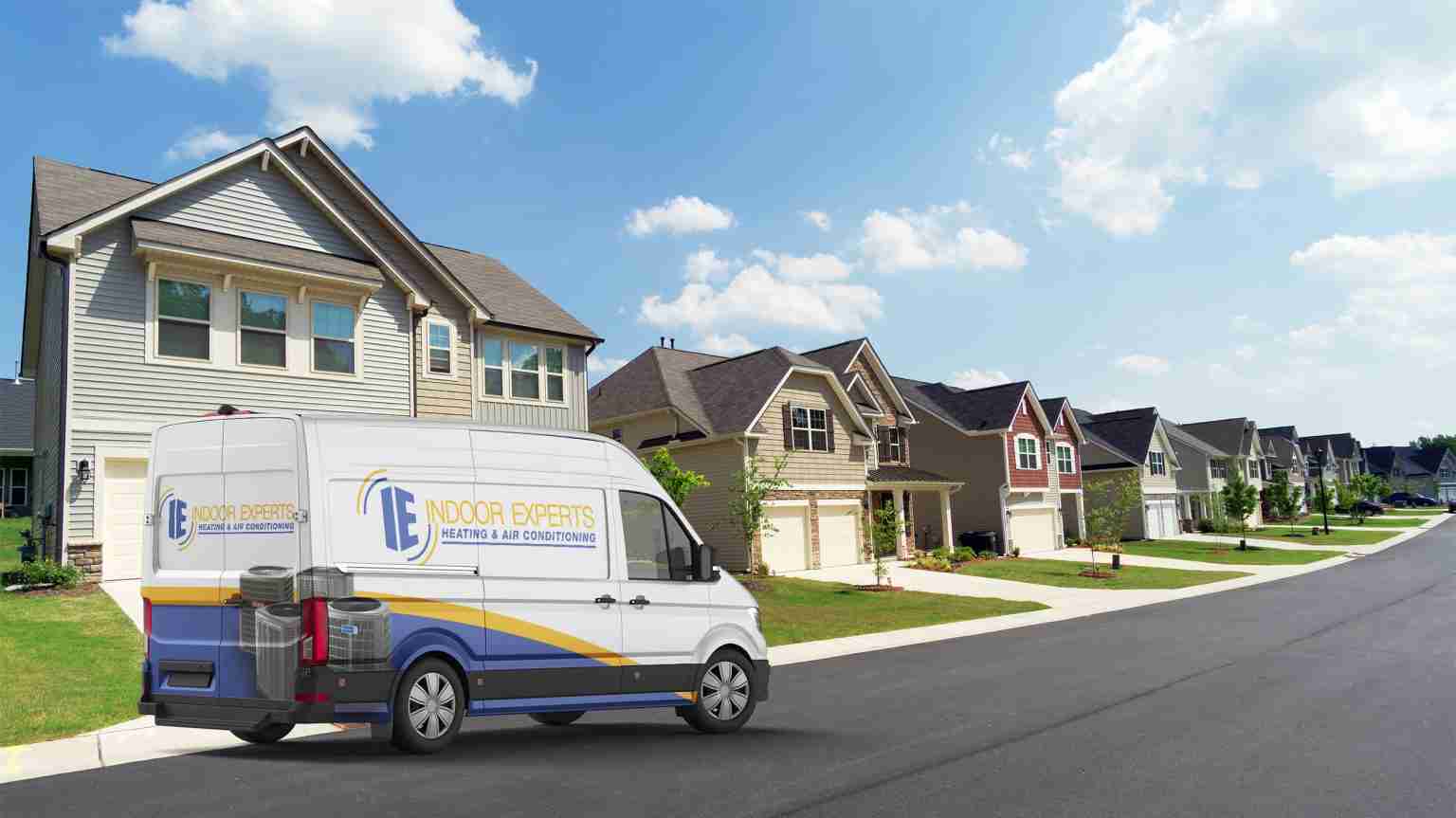
If you need to fix your furnace, you should call a qualified HVAC technician or a reputable heating and air conditioning service provider, like Indoor Experts, to ensure safe and effective repairs.
How much does Home Depot charge to install AC?
The cost for Home Depot to install an AC unit typically ranges from $300 to $1,000, depending on the type of system and specific installation requirements.
What is the average cost to install an AC?
The average cost to install an AC typically ranges from $3,000 to $7,000, depending on factors such as the unit's size, type, and the complexity of the installation process.
What are heat pump installation benefits?
The benefits of heat pump installation include energy efficiency, cost savings on utility bills, and environmental friendliness. Heat pumps provide both heating and cooling, making them a versatile choice for year-round climate control in your home.
How to choose a heat pump model?
Choosing a heat pump model involves considering factors such as your home's size, climate, energy efficiency ratings, and budget. Evaluate these aspects to select a unit that meets your heating and cooling needs effectively.
What is heat pump efficiency rating?
The heat pump efficiency rating indicates how effectively a heat pump converts energy into heating or cooling. It is typically measured by the Seasonal Energy Efficiency Ratio (SEER) for cooling and the Heating Seasonal Performance Factor (HSPF) for heating.
When to replace a heat pump?
The optimal time to replace a heat pump is when it is over 10-15 years old, requires frequent repairs, or is no longer efficient in heating and cooling your home.
How to maintain a heat pump?
Maintaining a heat pump involves regularly cleaning or replacing filters, ensuring proper airflow, checking the thermostat settings, and scheduling annual professional inspections to optimize performance and efficiency.
What are signs of furnace problems?
The signs of furnace problems include unusual noises, inconsistent heating, frequent cycling on and off, a yellow burner flame, and increased energy bills. If you notice any of these issues, it may be time to schedule a professional inspection.
How often should I service my furnace?
The frequency of furnace servicing is essential for optimal performance. It is recommended to service your furnace at least once a year, ideally before the heating season begins, to ensure efficiency and safety.
What affects furnace repair costs?
The factors that affect furnace repair costs include the type of repair needed, the age and model of the furnace, labor rates in your area, and the availability of replacement parts.
How to improve furnace efficiency?
Improving furnace efficiency involves regular maintenance, such as changing filters, ensuring proper insulation, and scheduling annual inspections. Additionally, upgrading to a programmable thermostat can optimize heating schedules and reduce energy consumption.
What are AC installation requirements?
The requirements for AC installation include selecting the appropriate unit size, ensuring proper electrical connections, and verifying refrigerant lines and drainage systems. Additionally, local building codes and permits must be adhered to for compliance and safety.
How long does AC installation take?
The duration of AC installation typically ranges from 4 to 8 hours, depending on the complexity of the system and the specifics of your home.
What types of AC units are available?
The types of AC units available include central air conditioning systems, ductless mini-split systems, window units, and portable air conditioners, each designed to meet different cooling needs and space requirements.
How to select the right AC size?
Selecting the right AC size involves calculating the cooling capacity needed for your space, typically measured in BTUs. Consider factors like room size, ceiling height, insulation, and local climate to ensure optimal comfort and efficiency.
What are common AC installation mistakes?
Common AC installation mistakes include improper sizing of the unit, neglecting to seal ducts, incorrect placement of the thermostat, and failing to follow manufacturer guidelines, all of which can lead to inefficiency and increased energy costs.
What is the lifespan of a furnace?
The lifespan of a furnace typically ranges from 15 to 30 years, depending on factors such as maintenance, usage, and the type of furnace. Regular upkeep can help maximize its longevity.
How to troubleshoot a broken furnace?
Troubleshooting a broken furnace involves checking the thermostat settings, ensuring the power is on, inspecting the air filter for clogs, and verifying that the gas supply is active. If issues persist, consult a professional technician.
What permits are needed for HVAC installation?
The permits needed for HVAC installation typically include a building permit and, in some cases, electrical and plumbing permits, depending on local regulations. Always check with your local authority to ensure compliance.
How to find a reliable HVAC contractor?
Finding a reliable HVAC contractor involves researching local companies, checking online reviews, verifying licenses and insurance, and seeking recommendations from friends or family. Always request estimates and ensure clear communication regarding services and pricing.
What financing options are available for HVAC services?
The financing options available for HVAC services include flexible payment plans, low-interest loans, and special promotions that can help make your heating and cooling system more affordable. Contact us for specific details tailored to your needs.
What warranties come with HVAC installations?
The warranties that come with HVAC installations typically include a manufacturer's warranty on the equipment and a labor warranty from the installation company, ensuring protection against defects and installation issues for a specified period.
heat, boiler, air conditioning, duct, maryland, drain, leak, thermostat, electrician, leak detection, heating system, furnace, air filter, technician, inspection, water damage, customer, indoor air quality, coupon, furnace installation, heating repair, air duct cleaning, air conditioning repair, repair air duct, hvac, dryer vent cleaning, united air temp, furnace replacement, heating and air, request service, drain cleaning, water heater repair, schedule service, price, efficiency, customer service, humidifier, emergency service, programmable thermostat, better business bureau, sump pump, evaporator, basement, noise, air handler, bathroom, trane, sink, seasonal energy efficiency ratio, shower, wear and tear, backflow, baltimore, emergency, pilot light, radiator, debris, attic, hvac system, water heater, indoor air, repair services, hot water heater, sump, carbon, longevity, metro atlanta, smart thermostat, telephone, email address, dehumidifier, hvac installation, hvac repair, hvac contractor, atlanta hvac, emergency hvac services, free estimate, climate, acceptable use policy, compressor, rebate, consumption, brand, utility, energy audit, ceiling fan, energy star, customer satisfaction, frequency, heat pump repair, request a quote, commercial hvac, heat pump maintenance, heat pump replacement, heat pump repairs, hvac maintenance plan, plumbing services, lighting, troubleshooting, circuit breaker
Frequently Asked Questions
Is there a federal tax credit for installing a heat pump?
The federal tax credit for installing a heat pump is available, allowing homeowners to receive a percentage of the installation costs back on their federal taxes. Always check the latest guidelines for eligibility and specific credit amounts.
Should I replace a 20 year old heat pump?
A 20-year-old heat pump is likely nearing the end of its lifespan and may be less efficient, leading to higher energy bills. Replacing it can improve comfort and reduce costs in the long run.
What is the average cost of a furnace repair?
The average cost of a furnace repair typically ranges from $100 to $1,000, depending on the issue's complexity and the necessary parts. It's advisable to get a detailed estimate from a professional technician for accurate pricing.
How much does it cost to put AC in a 2000 sq ft house?
The cost to install AC in a 2000 sq ft house typically ranges from $3,500 to $7,500, depending on the system type and installation complexity.
What is the typical cost for heat pump replacement?
The typical cost for heat pump replacement varies based on factors such as the unit's size, efficiency, and installation complexity, generally ranging from $3,500 to $7,500. It's best to consult with a professional for an accurate estimate.
Why is HVAC repair so expensive?
The expense of HVAC repair can be attributed to several factors, including the cost of specialized parts, the complexity of the systems, and the expertise required from skilled technicians to ensure proper repairs and maintenance.
How long does it take to fix a broken furnace?
The time it takes to fix a broken furnace typically ranges from one to three hours, depending on the complexity of the issue and the availability of necessary parts.
Who should I call to fix my furnace?
If you need to fix your furnace, you should call a qualified HVAC technician or a reputable heating and air conditioning service provider, like Indoor Experts, to ensure safe and effective repairs.
How much does Home Depot charge to install AC?
The cost for Home Depot to install an AC unit typically ranges from $300 to $1,000, depending on the type of system and specific installation requirements.
What is the average cost to install an AC?
The average cost to install an AC typically ranges from $3,000 to $7,000, depending on factors such as the unit's size, type, and the complexity of the installation process.
What are heat pump installation benefits?
The benefits of heat pump installation include energy efficiency, cost savings on utility bills, and environmental friendliness. Heat pumps provide both heating and cooling, making them a versatile choice for year-round climate control in your home.
How to choose a heat pump model?
Choosing a heat pump model involves considering factors such as your home's size, climate, energy efficiency ratings, and budget. Evaluate these aspects to select a unit that meets your heating and cooling needs effectively.
What is heat pump efficiency rating?
The heat pump efficiency rating indicates how effectively a heat pump converts energy into heating or cooling. It is typically measured by the Seasonal Energy Efficiency Ratio (SEER) for cooling and the Heating Seasonal Performance Factor (HSPF) for heating.
When to replace a heat pump?
The optimal time to replace a heat pump is when it is over 10-15 years old, requires frequent repairs, or is no longer efficient in heating and cooling your home.
How to maintain a heat pump?
Maintaining a heat pump involves regularly cleaning or replacing filters, ensuring proper airflow, checking the thermostat settings, and scheduling annual professional inspections to optimize performance and efficiency.
What are signs of furnace problems?
The signs of furnace problems include unusual noises, inconsistent heating, frequent cycling on and off, a yellow burner flame, and increased energy bills. If you notice any of these issues, it may be time to schedule a professional inspection.
How often should I service my furnace?
The frequency of furnace servicing is essential for optimal performance. It is recommended to service your furnace at least once a year, ideally before the heating season begins, to ensure efficiency and safety.
What affects furnace repair costs?
The factors that affect furnace repair costs include the type of repair needed, the age and model of the furnace, labor rates in your area, and the availability of replacement parts.
How to improve furnace efficiency?
Improving furnace efficiency involves regular maintenance, such as changing filters, ensuring proper insulation, and scheduling annual inspections. Additionally, upgrading to a programmable thermostat can optimize heating schedules and reduce energy consumption.
What are AC installation requirements?
The requirements for AC installation include selecting the appropriate unit size, ensuring proper electrical connections, and verifying refrigerant lines and drainage systems. Additionally, local building codes and permits must be adhered to for compliance and safety.
How long does AC installation take?
The duration of AC installation typically ranges from 4 to 8 hours, depending on the complexity of the system and the specifics of your home.
What types of AC units are available?
The types of AC units available include central air conditioning systems, ductless mini-split systems, window units, and portable air conditioners, each designed to meet different cooling needs and space requirements.
How to select the right AC size?
Selecting the right AC size involves calculating the cooling capacity needed for your space, typically measured in BTUs. Consider factors like room size, ceiling height, insulation, and local climate to ensure optimal comfort and efficiency.
What are common AC installation mistakes?
Common AC installation mistakes include improper sizing of the unit, neglecting to seal ducts, incorrect placement of the thermostat, and failing to follow manufacturer guidelines, all of which can lead to inefficiency and increased energy costs.
What is the lifespan of a furnace?
The lifespan of a furnace typically ranges from 15 to 30 years, depending on factors such as maintenance, usage, and the type of furnace. Regular upkeep can help maximize its longevity.
How to troubleshoot a broken furnace?
Troubleshooting a broken furnace involves checking the thermostat settings, ensuring the power is on, inspecting the air filter for clogs, and verifying that the gas supply is active. If issues persist, consult a professional technician.
What permits are needed for HVAC installation?
The permits needed for HVAC installation typically include a building permit and, in some cases, electrical and plumbing permits, depending on local regulations. Always check with your local authority to ensure compliance.
How to find a reliable HVAC contractor?
Finding a reliable HVAC contractor involves researching local companies, checking online reviews, verifying licenses and insurance, and seeking recommendations from friends or family. Always request estimates and ensure clear communication regarding services and pricing.
What financing options are available for HVAC services?
The financing options available for HVAC services include flexible payment plans, low-interest loans, and special promotions that can help make your heating and cooling system more affordable. Contact us for specific details tailored to your needs.
What warranties come with HVAC installations?
The warranties that come with HVAC installations typically include a manufacturer's warranty on the equipment and a labor warranty from the installation company, ensuring protection against defects and installation issues for a specified period.