Skip to content
Plenty of companies throw parts at a mini-split until something works. We test first, so you pay for the right fix once. Our technicians see ductless systems weekly, carry common parts, and report to the same local owner who trained them. When replacing makes more sense than repairing, we tell you, even when it costs us the job.
Price before
the work
Certified
owner-trained
technicians
We test before
replacing
Most ductless mini-split repairs in Atlanta start with a flat diagnostic fee, then a firm price before any work begins, so you decide with the number in front of you and no surprise line items at the end. What you'll pay comes down to the part and the system:
A sensor, capacitor, or control board sits at the low end.
A refrigerant leak costs more, since it has to be found, sealed, and recharged, not just topped off.
A failing compressor is the heaviest repair, and the point where a new ductless mini-split installation can be a better value. We’ll show you that math honestly.
A multi-zone system takes longer to diagnose than a single-zone unit, and parts for older or off-brand models add time and cost.
Ductless mini-splits come in several configurations, and each fails in its own way. Whatever style keeps your Atlanta home comfortable, our technicians repair it.
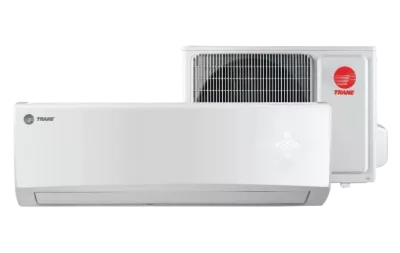
A single-zone setup pairs one indoor head with one outdoor unit to condition a single bedroom, office, or bonus room. Because it’s that room’s only source of comfort, a fault in the head, the line-set, or the condenser takes the whole space offline until it’s fixed.

One outdoor unit feeding several indoor heads gives room-by-room control, but it also multiplies the line-sets, sensors, and drain paths that can go wrong. Pinpointing which zone or shared component failed is the key to a fast repair instead of a guessing game.

Mounted flush in the ceiling, a cassette pushes air in four directions and stays out of sight, which also hides trouble. Condensate-pump clogs and fan faults often go unnoticed until the unit drips or quits, and reaching it takes care to avoid ceiling damage.
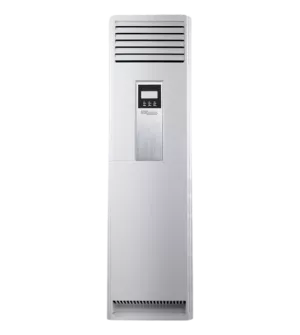
Sitting low on the wall, floor-mounted heads suit knee-wall rooms and spaces where a high mount won’t fit. Their position leaves them prone to blocked airflow and dust-packed filters, the usual culprits behind uneven heating and weak cooling.
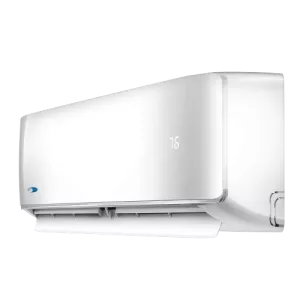
Inverter models run a variable-speed compressor that constantly adjusts to the room, delivering efficiency at the cost of added electronics. A failing inverter board or compressor sensor shows up as short-cycling or a dead unit, so accurate diagnosis matters before condemning the compressor.
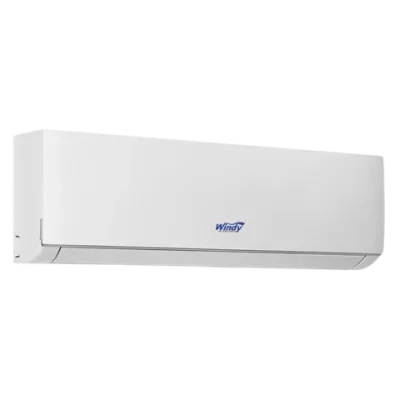
Single-speed units are simpler and common in workshops and rentals. They fail in familiar ways: worn capacitors, tired contactors, and dirty coils, and a targeted part swap usually revives them without an unnecessary system upgrade.
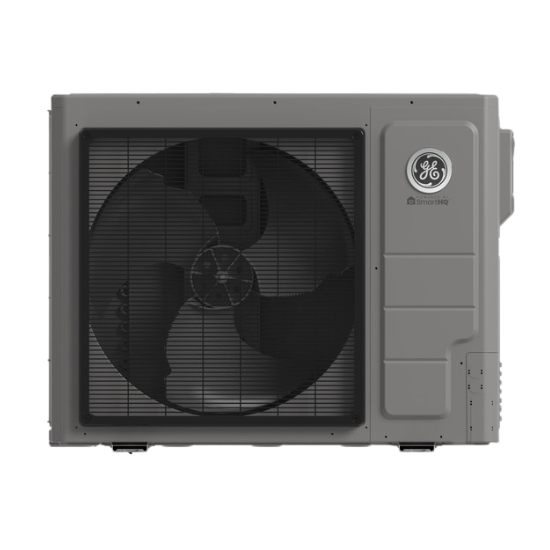
Because most mini-splits are heat pumps, a repair can reach beyond cooling into the reversing valve and defrost controls that make winter heating possible. Servicing both modes keeps one system covering Atlanta’s hot summers and cold snaps.
A cooling-only unit backs up a hot sunroom or a stubborn upstairs bedroom. When it can’t keep pace, low refrigerant, a dirty coil, or a weak fan motor is typically to blame, and restoring capacity finally settles that one warm room.
Call (678) 909-1928 and reach someone on our team, or schedule your ductless repair online in about a minute. Tell us what your mini-split is doing and where you are in Atlanta, and we’ll get an HVAC technician on the way, often the same day.
Our technician traces the trouble to its source, not just the symptom, then lays out a flat repair price. Nothing gets fixed until you give the go-ahead.
When your only cooling quits in a heat wave, waiting days isn't an option. Ask about our faster emergency service, and we'll move your repair to the front.
A ductless system dehumidifies and runs far more hours than a central unit, so its filters load up, its condensate line clogs, and its coils lose efficiency faster than most homeowners expect. A twice-yearly tune-up from Indoor Experts Heating & Air Conditioning clears that buildup, verifies the refrigerant charge, and flags a weak capacitor or tired fan motor, while it's still a cheap fix, not a mid-summer breakdown that leaves one room unusable.
A ductless tune-up targets the parts that actually wear on these systems. We wash the indoor coil and blower wheel, clear biological growth, rinse the outdoor condenser, and flush the condensate line and pump. Then we check refrigerant pressure, tighten the electrical connections between the head and condenser, and test the sensors and remote, so a small fault surfaces on our visit rather than in a heat wave.
Spring and fall are the windows that matter: a spring visit readies the cooling side before Atlanta’s humidity peaks, and a fall visit confirms the heat-pump mode works before the first freeze. Our HVAC service agreement rolls both into one plan with priority scheduling and reduced dispatch fees, so your mini-split is covered year-round.

All the humidity a mini-split pulls from the air has to drain somewhere. When the line clogs or the lift pump quits, water backs up and stains the wall beneath the head. Clearing the line and repairing the pump stops the damage before it spreads.
Musty smells, frost, and fading cooling usually start at the indoor coil, where dust and biological growth insulate the fins or a pinhole leak bleeds off refrigerant. Cleaning, sanitizing, or resealing the coil brings back the clean, cold air the head is meant to deliver.
We're a locally owned HVAC contractor built for Atlanta's homes and weather. We know how spring pollen clogs coils, how summer humidity strains a system, and how the city's older in-town houses lean on ductless units with no central backup. Our technicians pull permits, work to the Georgia code, and know the neighborhood street by street, so your mini-split repair is handled right and handled locally.
Not every ductless problem means a new system, and not every old unit is worth another repair. Most faults around Atlanta are a straightforward fix. A few, though, are signs your mini-split has reached the end, and here's how to read the difference before you spend.

The unit hums along yet the air stays warm. In Atlanta’s humidity that usually means a refrigerant leak, a fouled coil, or a tired compressor, almost always a repair, and our techs measure the charge before they recharge.

A ductless heat pump stuck on cool has a reversing valve or defrost fault, not a dead system. Our Atlanta mini-split repair team services the heat side, so one unit covers both seasons again.

When you’re calling for service every season, the repairs start to outweigh the unit. If yours is past ten to twelve years, a new ductless mini-split installation usually costs less over time than one more fix.

Systems built before roughly 2010 often use R-22 refrigerant, no longer produced and climbing in price every year. Recharging one is money spent on borrowed time; replacing it ends the cycle.
Not sure which side you're on? Call (678) 909-1928 and we'll tell you straight.
You want a technician who knows your part of town, not one driving in from an hour away. We repair ductless systems throughout Atlanta's in-town neighborhoods, from Grant Park and Old Fourth Ward to Virginia-Highland, East Atlanta, and Inman Park, and we'll confirm we cover your street.

Enter your information below to receive your promotion.
ductless mini split cleaning service, mini split repair, ductless mini split repair, ductless ac repair, mini split ac repair, ductless mini splits atlanta ga, ductless heating repair, ductless mini split air conditioner repair, ductless mini split ac repair services