Skip to contentair conditioning, duct, indoor air quality, heat, better business bureau, leak, furnace, customer, service experts, service experts heating, hvac, air conditioning repair, heating and ac companies near me, ac companies in my area, hv ac companies near me, heating ac companies near me, service experts heating and cooling, hv ac companies, service experts heating and air, ac heating company, ac and heat company, expert hvac services, hvac experts, service experts hvac, brand, boiler, contract, customer service, electrician, technician, heating system, troubleshooting, metro atlanta, leak detection, drain, thermostat, dehumidifier, energy conservation, request a quote, hvac repair service, atlanta hvac, schedule service, heating and air, plumbing services, hvac repair services, hvac installation, request service, hvac repair, hvac atlanta, hvac repair atlanta, hvac companies atlanta, hvac service atlanta, best hvac companies in atlanta, hvac atlanta georgia, hvac savannah ga, hvac companies in georgia, hvac contractors atlanta, columbus ga hvac, hvac service in atlanta, telephone, email address, efficiency, air handler, climate, acceptable use policy, coupon, programmable thermostat, energy star, fax, installation, water heater, tankless water heater, air conditioning heating, hvac system, price, dust, building automation, credit, customer satisfaction, bathroom, indoor expert heating and cooling, air duct cleaning, expert heating, guarantee, heat pump repair, hvac contractor, humidifier
Frequently Asked Questions
Are heating and cooling service plans worth it?
Heating and cooling service plans are worth it as they provide regular maintenance, extend equipment lifespan, and can help prevent costly repairs, ensuring your HVAC system operates efficiently year-round.
How long do heating and cooling systems last?
Heating and cooling systems typically last between 15 to 25 years, depending on factors such as maintenance, usage, and the quality of the system. Regular upkeep can extend their lifespan significantly.
How much does a new HVAC system cost in Georgia?
The cost of a new HVAC system in Georgia typically ranges from $3,500 to $7,500, depending on factors such as system size, efficiency, and installation complexity.
What is the advantage program for service experts heating and air conditioning?
The Advantage Program for Service Experts Heating and Air Conditioning offers customers exclusive benefits, such as priority service, discounts on repairs, and routine maintenance checks, ensuring optimal performance and peace of mind for your HVAC system.
How often should furnace and air conditioner be serviced?
Furnaces and air conditioners should be serviced at least once a year to ensure optimal performance and efficiency. Regular maintenance helps prevent breakdowns and extends the lifespan of your HVAC system.
What do service experts do?
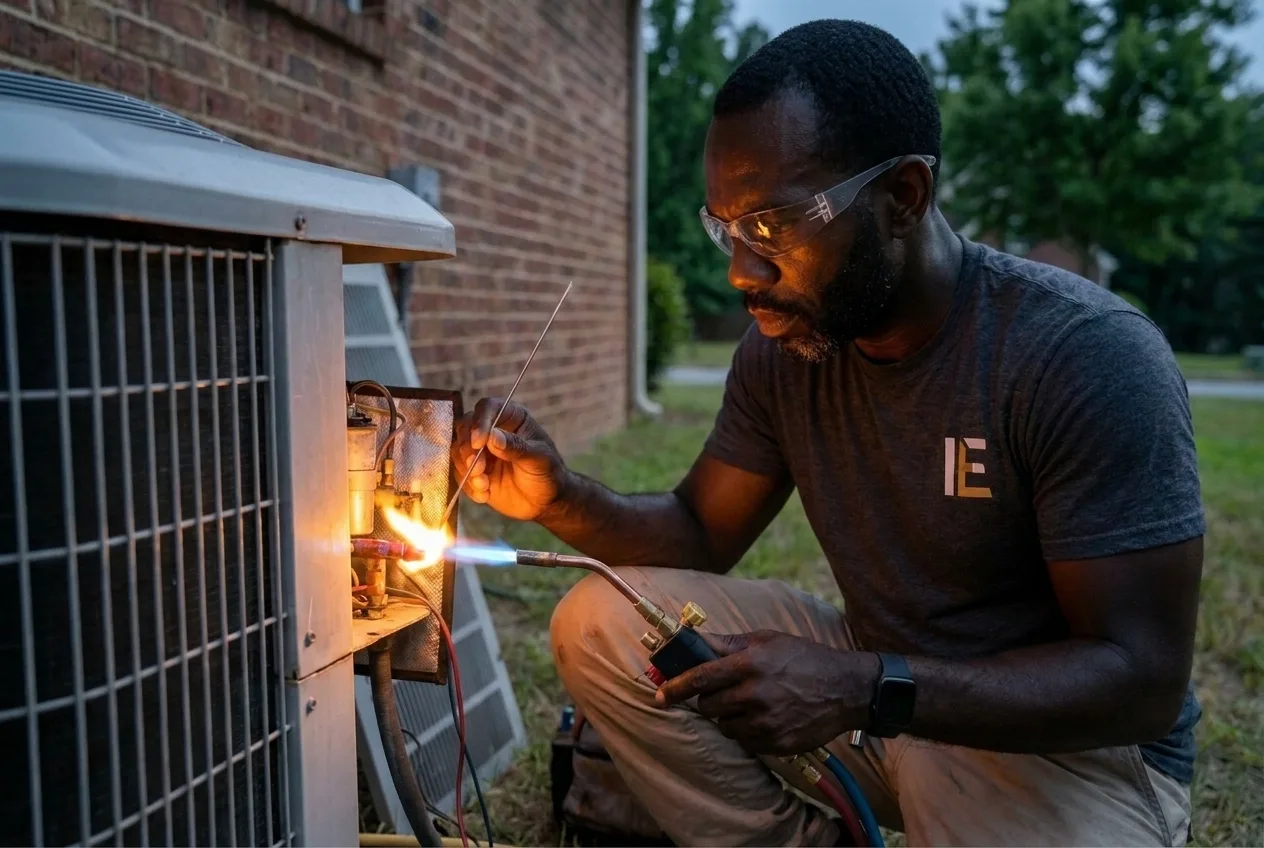
Service experts specialize in diagnosing, repairing, and maintaining HVAC systems to ensure optimal performance and comfort. They also provide installations and indoor air quality solutions tailored to meet customer needs.
How much is a new heating and cooling system for a house?
The cost of a new heating and cooling system for a house typically ranges from $3,500 to $7,500, depending on the size, brand, and efficiency of the system. Additional installation fees may apply.
How much should a new heating and cooling system cost?
The cost of a new heating and cooling system typically ranges from $3,000 to $7,000, depending on factors such as system type, size, and installation complexity. Always consult a professional for an accurate estimate tailored to your needs.
What is the most energy efficient home heating and cooling system?
The most energy efficient home heating and cooling system is a geothermal heat pump. It utilizes the stable temperature of the earth to provide heating and cooling, resulting in significant energy savings and reduced utility bills.
What benefits do service plans provide?
The benefits of service plans include regular maintenance, which enhances system efficiency, extends equipment lifespan, and ensures priority service during emergencies, ultimately saving you money on repairs and providing peace of mind for your HVAC needs.
How can I extend my systems lifespan?
Extending your system's lifespan involves regular maintenance, timely repairs, and ensuring proper usage. Schedule annual inspections, change filters frequently, and keep the system clean to enhance efficiency and longevity.
What factors affect HVAC system costs?
The factors that affect HVAC system costs include the size and type of the system, installation complexity, energy efficiency ratings, and any additional features or technologies chosen. Labor costs and local market conditions also play significant roles.
What is included in the advantage program?
The Advantage Program includes priority service, regular maintenance checks, discounts on repairs, and enhanced indoor air quality solutions, ensuring your HVAC system operates efficiently and reliably throughout the year.
When is the best time for servicing?
The best time for servicing your HVAC system is during the spring and fall. Scheduling maintenance during these seasons ensures your system operates efficiently before peak usage times, helping to prevent unexpected breakdowns.
Do service experts offer emergency repairs?
Service experts do offer emergency repairs. Our team is available to address urgent HVAC issues promptly, ensuring your comfort and safety in critical situations.
What signs indicate a system needs servicing?
Signs that indicate a system needs servicing include unusual noises, inconsistent temperatures, increased energy bills, poor airflow, and unusual odors. If you notice any of these issues, it's time to schedule a professional inspection.
How does energy efficiency impact costs?
Energy efficiency significantly impacts costs by reducing energy consumption, which lowers utility bills. Investing in energy-efficient HVAC systems can lead to substantial savings over time, making them a cost-effective choice for homeowners.
What brands do service experts recommend?
Service experts recommend reputable HVAC brands such as Trane, Carrier, and Lennox for their reliability, energy efficiency, and advanced technology, ensuring optimal comfort and air quality in your home.
How can I improve indoor air quality?
Improving indoor air quality involves several key steps: regularly changing air filters, using air purifiers, ensuring proper ventilation, maintaining humidity levels, and minimizing indoor pollutants by choosing low-VOC products.
What are common HVAC installation mistakes?
Common HVAC installation mistakes include improper sizing of units, inadequate ductwork design, neglecting to seal ducts, and failing to follow manufacturer guidelines, which can lead to inefficiency and increased costs.
How often should air filters be replaced?
Air filters should be replaced regularly to maintain optimal HVAC performance. Typically, it's recommended to change them every 1 to 3 months, depending on usage and the type of filter.
What financing options are available for HVAC systems?
The financing options available for HVAC systems include flexible payment plans, low-interest loans, and special financing promotions through our partners, making it easier for customers to manage their investment in heating and cooling solutions.
What warranties are offered on new systems?
The warranties offered on new systems include manufacturer warranties that typically cover parts for a specific duration, along with our extended service plans that provide additional coverage for labor and repairs, ensuring peace of mind for your investment.
What is the average lifespan of HVAC units?
The average lifespan of HVAC units is typically between 15 to 25 years, depending on factors such as maintenance, usage, and the quality of the unit. Regular servicing can help extend this lifespan.
How can I reduce heating and cooling costs?
Reducing heating and cooling costs can be achieved by improving your home's insulation, using programmable thermostats, sealing air leaks, and scheduling regular HVAC maintenance to ensure efficient operation.
What are the benefits of regular maintenance?
The benefits of regular maintenance include improved efficiency, extended equipment lifespan, reduced repair costs, and enhanced indoor air quality. Regular servicing ensures your HVAC system operates optimally, providing comfort and saving energy in the long run.
How do I choose the right HVAC system?
Choosing the right HVAC system involves assessing your home's size, insulation, and climate needs, along with considering energy efficiency ratings and your budget. Consulting with a professional can help ensure you make an informed decision.
What should I know before an installation?
Before an installation, it’s important to know your space requirements, the type of system best suited for your needs, and any necessary preparations, such as clearing access points and ensuring proper electrical supply.
How does zoning affect HVAC efficiency?
Zoning significantly enhances HVAC efficiency by allowing different areas of a home to be heated or cooled independently. This targeted approach reduces energy waste, as you can maintain comfortable temperatures only where needed, leading to lower utility bills and improved system performance.
What certifications do HVAC technicians hold?
HVAC technicians hold various certifications, including EPA Section 608 certification for handling refrigerants, NATE certification for technical expertise, and state-specific licenses, ensuring they meet industry standards and provide safe, efficient service.
Optimized by Seraphinite Accelerator
Turns on site high speed to be attractive for people and search engines.air conditioning, duct, indoor air quality, heat, better business bureau, leak, furnace, customer, service experts, service experts heating, hvac, air conditioning repair, heating and ac companies near me, ac companies in my area, hv ac companies near me, heating ac companies near me, service experts heating and cooling, hv ac companies, service experts heating and air, ac heating company, ac and heat company, expert hvac services, hvac experts, service experts hvac, brand, boiler, contract, customer service, electrician, technician, heating system, troubleshooting, metro atlanta, leak detection, drain, thermostat, dehumidifier, energy conservation, request a quote, hvac repair service, atlanta hvac, schedule service, heating and air, plumbing services, hvac repair services, hvac installation, request service, hvac repair, hvac atlanta, hvac repair atlanta, hvac companies atlanta, hvac service atlanta, best hvac companies in atlanta, hvac atlanta georgia, hvac savannah ga, hvac companies in georgia, hvac contractors atlanta, columbus ga hvac, hvac service in atlanta, telephone, email address, efficiency, air handler, climate, acceptable use policy, coupon, programmable thermostat, energy star, fax, installation, water heater, tankless water heater, air conditioning heating, hvac system, price, dust, building automation, credit, customer satisfaction, bathroom, indoor expert heating and cooling, air duct cleaning, expert heating, guarantee, heat pump repair, hvac contractor, humidifier
Frequently Asked Questions
Are heating and cooling service plans worth it?
Heating and cooling service plans are worth it as they provide regular maintenance, extend equipment lifespan, and can help prevent costly repairs, ensuring your HVAC system operates efficiently year-round.
How long do heating and cooling systems last?
Heating and cooling systems typically last between 15 to 25 years, depending on factors such as maintenance, usage, and the quality of the system. Regular upkeep can extend their lifespan significantly.
How much does a new HVAC system cost in Georgia?
The cost of a new HVAC system in Georgia typically ranges from $3,500 to $7,500, depending on factors such as system size, efficiency, and installation complexity.
What is the advantage program for service experts heating and air conditioning?
The Advantage Program for Service Experts Heating and Air Conditioning offers customers exclusive benefits, such as priority service, discounts on repairs, and routine maintenance checks, ensuring optimal performance and peace of mind for your HVAC system.
How often should furnace and air conditioner be serviced?
Furnaces and air conditioners should be serviced at least once a year to ensure optimal performance and efficiency. Regular maintenance helps prevent breakdowns and extends the lifespan of your HVAC system.
What do service experts do?
Service experts specialize in diagnosing, repairing, and maintaining HVAC systems to ensure optimal performance and comfort. They also provide installations and indoor air quality solutions tailored to meet customer needs.
How much is a new heating and cooling system for a house?
The cost of a new heating and cooling system for a house typically ranges from $3,500 to $7,500, depending on the size, brand, and efficiency of the system. Additional installation fees may apply.
How much should a new heating and cooling system cost?
The cost of a new heating and cooling system typically ranges from $3,000 to $7,000, depending on factors such as system type, size, and installation complexity. Always consult a professional for an accurate estimate tailored to your needs.
What is the most energy efficient home heating and cooling system?
The most energy efficient home heating and cooling system is a geothermal heat pump. It utilizes the stable temperature of the earth to provide heating and cooling, resulting in significant energy savings and reduced utility bills.
What benefits do service plans provide?
The benefits of service plans include regular maintenance, which enhances system efficiency, extends equipment lifespan, and ensures priority service during emergencies, ultimately saving you money on repairs and providing peace of mind for your HVAC needs.
How can I extend my systems lifespan?
Extending your system's lifespan involves regular maintenance, timely repairs, and ensuring proper usage. Schedule annual inspections, change filters frequently, and keep the system clean to enhance efficiency and longevity.
What factors affect HVAC system costs?
The factors that affect HVAC system costs include the size and type of the system, installation complexity, energy efficiency ratings, and any additional features or technologies chosen. Labor costs and local market conditions also play significant roles.
What is included in the advantage program?
The Advantage Program includes priority service, regular maintenance checks, discounts on repairs, and enhanced indoor air quality solutions, ensuring your HVAC system operates efficiently and reliably throughout the year.
When is the best time for servicing?
The best time for servicing your HVAC system is during the spring and fall. Scheduling maintenance during these seasons ensures your system operates efficiently before peak usage times, helping to prevent unexpected breakdowns.
Do service experts offer emergency repairs?
Service experts do offer emergency repairs. Our team is available to address urgent HVAC issues promptly, ensuring your comfort and safety in critical situations.
What signs indicate a system needs servicing?
Signs that indicate a system needs servicing include unusual noises, inconsistent temperatures, increased energy bills, poor airflow, and unusual odors. If you notice any of these issues, it's time to schedule a professional inspection.
How does energy efficiency impact costs?
Energy efficiency significantly impacts costs by reducing energy consumption, which lowers utility bills. Investing in energy-efficient HVAC systems can lead to substantial savings over time, making them a cost-effective choice for homeowners.
What brands do service experts recommend?
Service experts recommend reputable HVAC brands such as Trane, Carrier, and Lennox for their reliability, energy efficiency, and advanced technology, ensuring optimal comfort and air quality in your home.
How can I improve indoor air quality?
Improving indoor air quality involves several key steps: regularly changing air filters, using air purifiers, ensuring proper ventilation, maintaining humidity levels, and minimizing indoor pollutants by choosing low-VOC products.
What are common HVAC installation mistakes?
Common HVAC installation mistakes include improper sizing of units, inadequate ductwork design, neglecting to seal ducts, and failing to follow manufacturer guidelines, which can lead to inefficiency and increased costs.
How often should air filters be replaced?
Air filters should be replaced regularly to maintain optimal HVAC performance. Typically, it's recommended to change them every 1 to 3 months, depending on usage and the type of filter.
What financing options are available for HVAC systems?
The financing options available for HVAC systems include flexible payment plans, low-interest loans, and special financing promotions through our partners, making it easier for customers to manage their investment in heating and cooling solutions.
What warranties are offered on new systems?
The warranties offered on new systems include manufacturer warranties that typically cover parts for a specific duration, along with our extended service plans that provide additional coverage for labor and repairs, ensuring peace of mind for your investment.
What is the average lifespan of HVAC units?
The average lifespan of HVAC units is typically between 15 to 25 years, depending on factors such as maintenance, usage, and the quality of the unit. Regular servicing can help extend this lifespan.
How can I reduce heating and cooling costs?
Reducing heating and cooling costs can be achieved by improving your home's insulation, using programmable thermostats, sealing air leaks, and scheduling regular HVAC maintenance to ensure efficient operation.
What are the benefits of regular maintenance?
The benefits of regular maintenance include improved efficiency, extended equipment lifespan, reduced repair costs, and enhanced indoor air quality. Regular servicing ensures your HVAC system operates optimally, providing comfort and saving energy in the long run.
How do I choose the right HVAC system?
Choosing the right HVAC system involves assessing your home's size, insulation, and climate needs, along with considering energy efficiency ratings and your budget. Consulting with a professional can help ensure you make an informed decision.
What should I know before an installation?
Before an installation, it’s important to know your space requirements, the type of system best suited for your needs, and any necessary preparations, such as clearing access points and ensuring proper electrical supply.
How does zoning affect HVAC efficiency?
Zoning significantly enhances HVAC efficiency by allowing different areas of a home to be heated or cooled independently. This targeted approach reduces energy waste, as you can maintain comfortable temperatures only where needed, leading to lower utility bills and improved system performance.
What certifications do HVAC technicians hold?
HVAC technicians hold various certifications, including EPA Section 608 certification for handling refrigerants, NATE certification for technical expertise, and state-specific licenses, ensuring they meet industry standards and provide safe, efficient service.