Skip to content
Atlanta Heating Repair Emergencies? Get Fast, Reliable 24/7 Help!
A heating emergency in Atlanta is any sudden failure of your home’s heating that threatens safety, comfort, or causes further equipment damage. In Atlanta’s cooler months, a quick response protects both people and property. This guide helps you distinguish true emergencies , a full loss of heat, persistent burning odors, or an active carbon monoxide alarm , and gives clear, safe triage steps you can take while you wait for a technician.
You’ll get the step-by-step emergency workflow, call, triage, dispatch, diagnose, repair, test, plus common quick fixes and realistic cost expectations for emergency heating repair in Atlanta. We’ll also explain why licensed, NATE‑certified techs matter, how same‑day and 24/7 response works locally, and what financing options can ease urgent repairs.
Recognize and Respond to Heating Emergencies in Atlanta
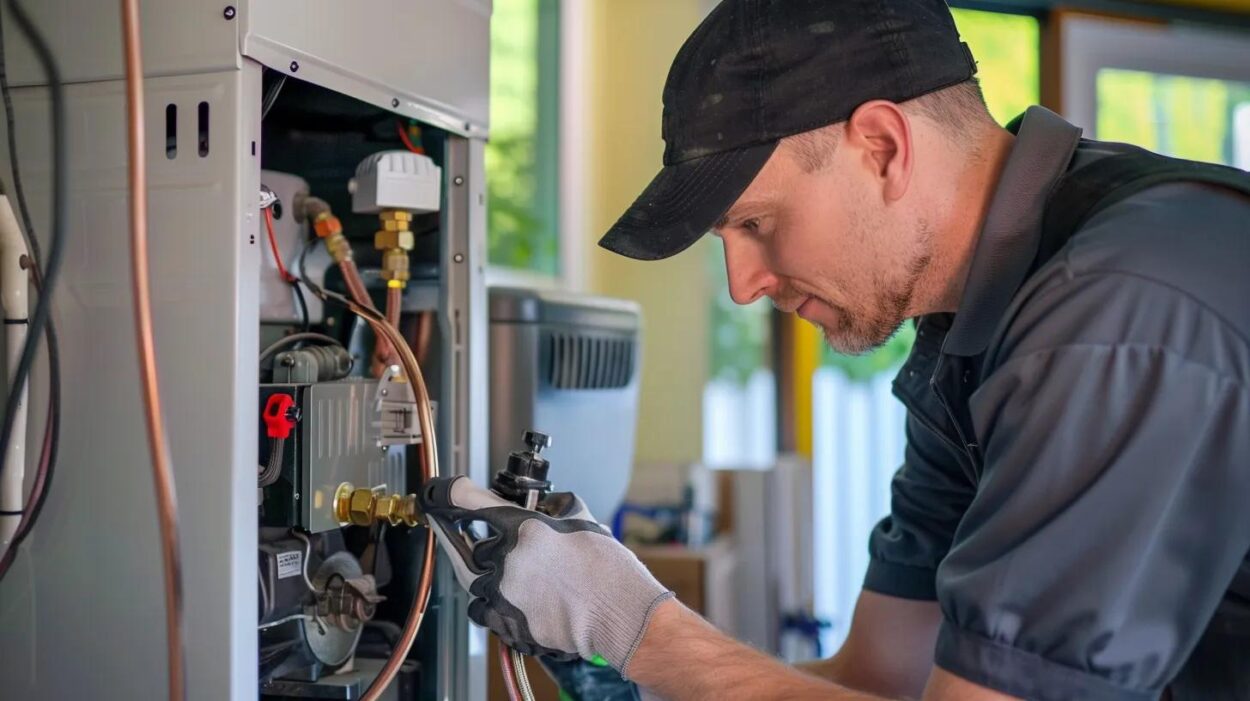
Heating emergencies can be stressful, dangerous, and costly if not addressed immediately. From complete loss of heat and unusual noises to burning smells or carbon monoxide alarms, knowing what to watch for and how to respond safely can protect your family and home. Understanding common symptoms, matching them to likely causes, and taking the right immediate actions ensures a faster, safer repair process by certified technicians.
Red Flags You Need Emergency Heating Repair in Atlanta
An is any issue that needs same‑day attention to prevent harm or expensive damage. Watch for a complete loss of heat, strange or loud noises, burning or electrical odors, constant on/off cycling, carbon monoxide alarms, and visible sparking, each pointing to different faults that require a professional diagnosis in Atlanta.
Below is a quick, scannable list of the top emergency signals Atlanta homeowners should recognize and act on immediately.
- No heat: The system runs but no warm air is delivered, which can indicate ignition, fuel, or heat‑exchanger problems.
- Loud banging or grinding: Unusual noises often mean a failing blower motor, loose parts, or collapsed ducts.
- Burning smell or smoke: Any burning odor or visible smoke is a fire risk , shut off power if safe and evacuate.
- Frequent on/off cycling: Rapid cycling stresses components and may point to control or thermostat failures.
- Carbon monoxide alarm activation: If a CO alarm sounds, evacuate right away and call emergency services.
- Electrical sparking or tripping breakers: These are dangerous electrical faults that need a licensed technician immediately.
Each of these signs carries different risks. The next section helps you match symptoms to likely causes and outlines safe, immediate actions you can take while help is on the way.
Spotting the Most Common Heating System Breakdowns
Common symptoms usually point to specific components and suggest safe checks a homeowner can do before a technician arrives. The short table below helps you match what you see to likely causes and safe actions to take immediately
| System | Symptom | Immediate Action |
|---|---|---|
| Furnace | No heat despite running blower | Verify thermostat and breakers; if that doesn’t help, power down and wait for the technician |
| Heat pump | Frosted outdoor unit or no heating | Switch to emergency heat and schedule urgent service; don’t force the system |
| Thermostat | Unresponsive or incorrect calls for heat | Change batteries and confirm settings; note behavior for the technician |
| Electrical | Sparking, burning smell, tripped breakers | Shut off power at the breaker and evacuate if you see smoke or sparks |
Knowing these checkpoints helps you give clear information to the dispatcher and speeds safe diagnosis, which leads to the repair process described next.
Key Safety Risks Every Atlanta Homeowner Should Know
Heating failures in Atlanta can cause carbon monoxide poisoning, fire from electrical faults or overloaded parts, and gas leaks on gas‑fired systems. If a CO alarm sounds, leave the home immediately and call emergency services; don’t go back inside until professionals say it’s safe. For burning smells, switch off electrical power at the breaker if it’s safe and evacuate; never spray water on electrical equipment.
Once personal safety is addressed, call for emergency heating repair so a trained technician can inspect combustion, electrical systems, and ventilation before restarting the unit , which is exactly why certified technicians matter.
How Emergency Heating Repairs Keep Atlanta Homes Cozy?
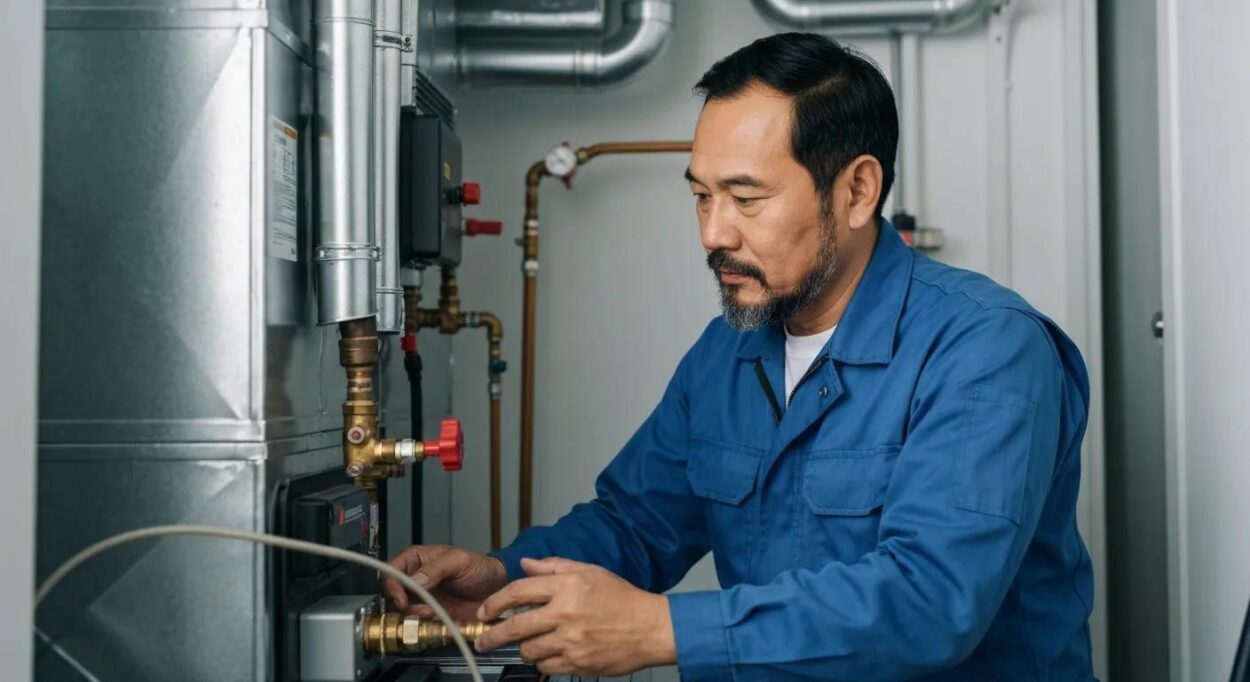
Atlanta HVAC contractor follows a predictable workflow so homeowners know what to expect and how long each step may take.
- Call and triage: Describe symptoms, confirm any safety concerns, and receive initial instructions.
- Dispatch and ETA: We assign a technician with parts and tools matched to the triage details.
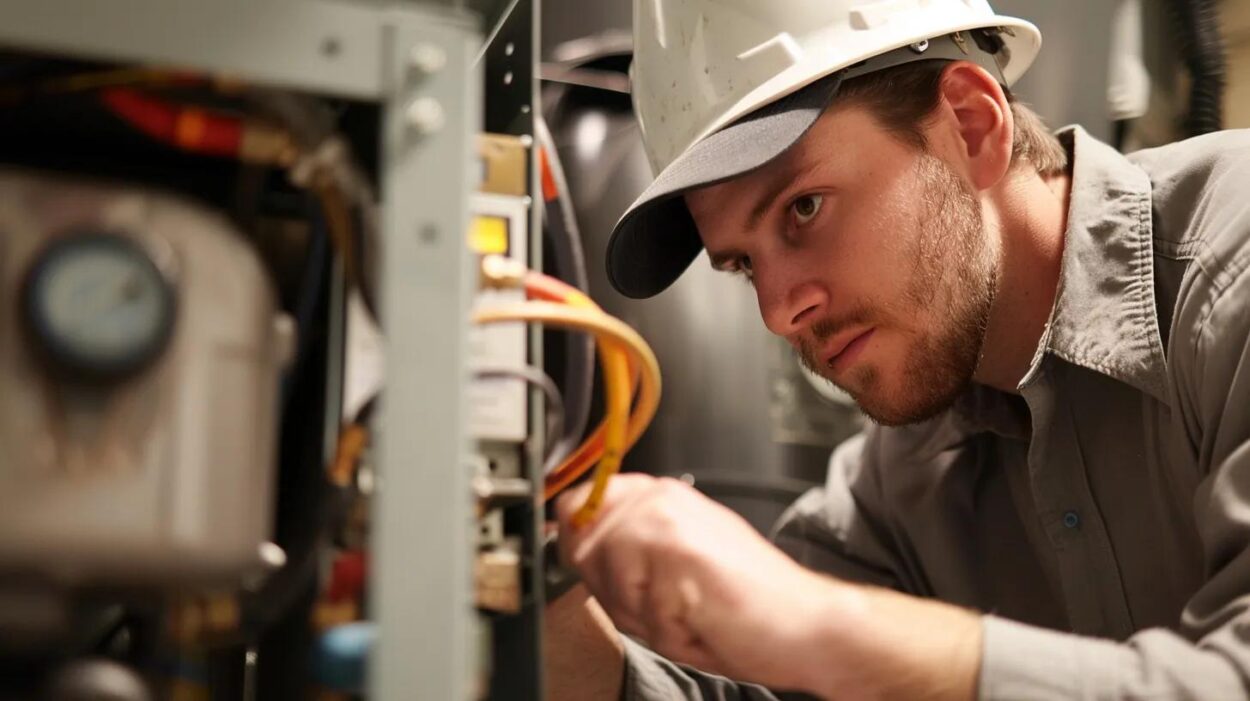
- On-site diagnostic: Visual inspections and instrument checks of the thermostat, ignition system, blower, and heat exchanger.
- Repair or temporary fix: Immediate hazard mitigation (shutoff or containment), then repair or parts replacement as needed.
- Testing and handoff: Safety and performance checks are completed and we brief you with documentation before leaving.
Step-by-Step: Our Fast Emergency Heating Repair Process
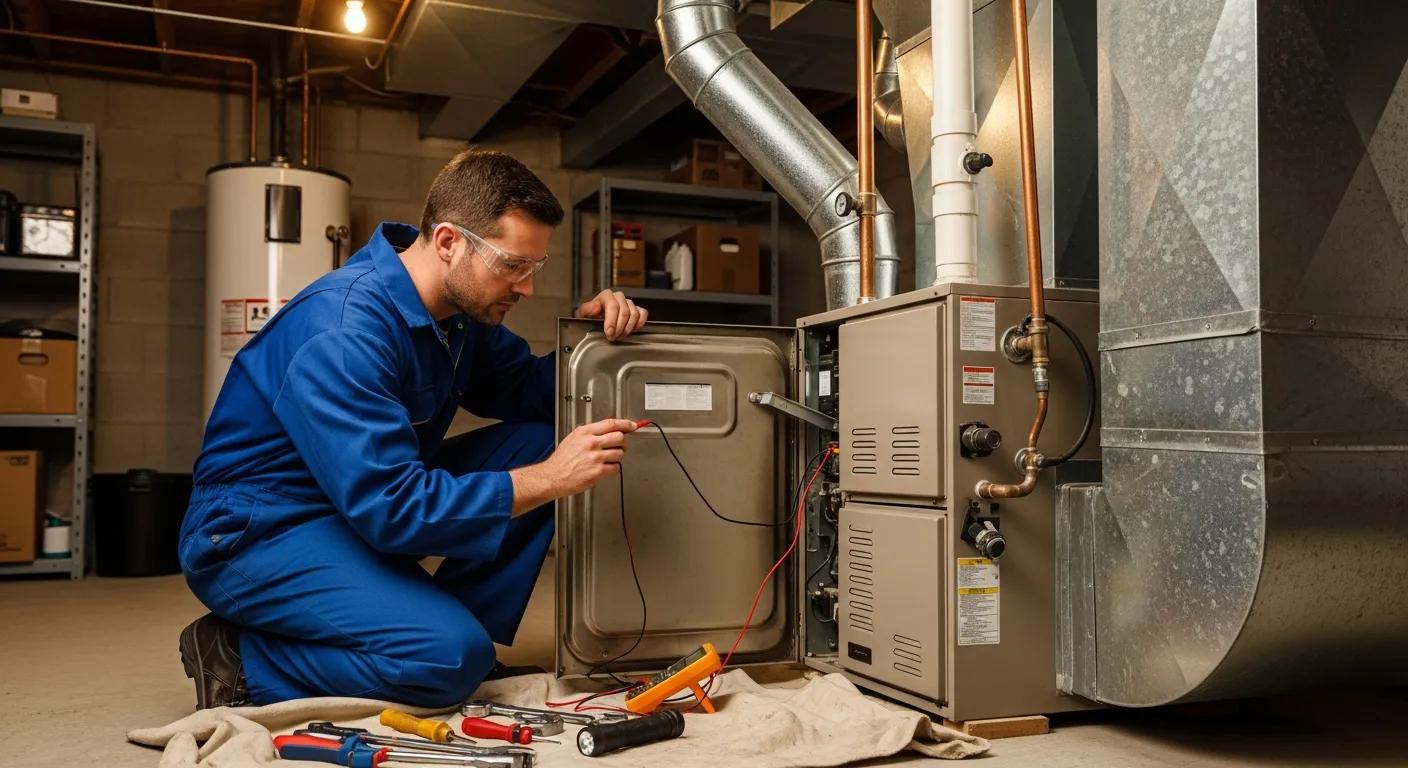
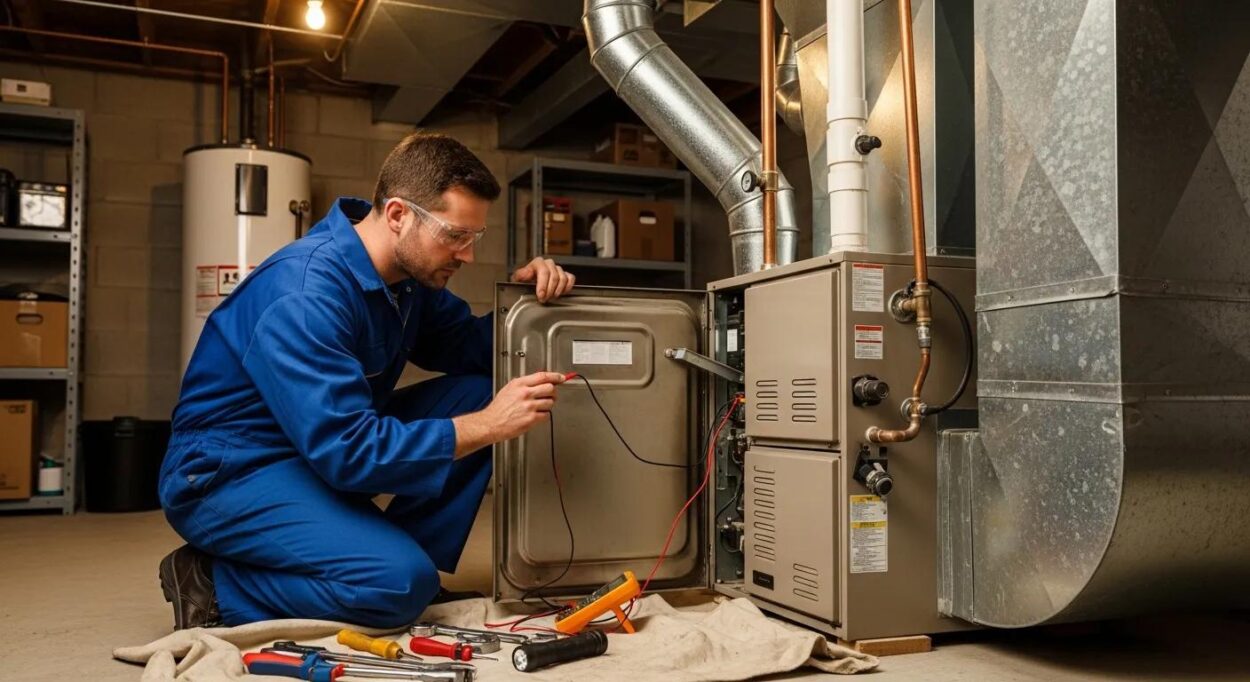
Technicians start by ensuring your home and system are safe. This includes checking for carbon monoxide, electrical hazards, and other potential risks. Once safety is confirmed, they move on to targeted diagnostics to identify the root problem.
- Focused Diagnostics: Ignition testing, blower motor inspection, and control-board evaluation.
- Temporary Safety Measures: Applied if needed while preparing for repairs.
- Repair or Replacement: Faulty components are fixed or swapped out.
- System Verification: Temperature and combustion readings confirm proper operation.
To make the visit smooth and efficient, have your thermostat settings, recent maintenance notes, and any relevant photos ready. The visit concludes with final testing, a short warranty on work performed, and a follow-up plan to minimize the chance of immediate issues.
Common Heating Issues Local Technicians Fix Reliably
Many emergency calls in Atlanta are resolved the same day with targeted parts and focused labor: ignition or control‑board replacements, blower motor repairs, thermostat swaps, or simple airflow fixes from dirty filters.
| Repair Type | Typical Repair Range | Typical Time to Fix |
|---|---|---|
| Ignition/control repair | $150–$450 | 1–3 hours |
| Blower motor replacement | $300–$800 | 2–4 hours |
| Heat exchanger inspection/minor repair | $200–$600 | 1–3 hours |
| Thermostat or control replacement | $100–$400 | 30–90 minutes |
Emergency Heating Repairs in Atlanta: Costs Made Clear
Emergency repairs typically cost more than scheduled service because of after‑hours labor, expedited parts, and faster diagnostics. Clear price ranges and an upfront diagnostic fee make planning easier.
Expect a diagnostic/trip fee plus parts and labor; after‑hours service and urgency can increase labor rates.
- Typical components of cost: diagnostic fee, parts, labor, and after‑hours surcharge.
- Common diagnostic fee range: $75–$150 (varies by provider and urgency).
- After‑hours and emergency premiums: May increase labor rates but deliver immediate safety resolution.
Financing Options to Make Urgent Heating Repairs Easier
Unexpected heating failures can create serious stress, especially when repairs can’t wait. Financing options help Atlanta homeowners restore heat immediately without paying the full cost upfront. Here’s what to know:
Smart Financing Options Available
- Short-term monthly payment plans – Spread repair costs over manageable payments.
- Promotional financing offers – Special rates or deferred interest for qualifying customers.
- Low or no-down-payment options – Get repairs started right away, even during emergencies.
What You’ll Need to Apply
- A valid ID
- Your service address
- Basic financial details for quick approval
Why Financing Helps
- Avoid delays that risk safety issues
- Restore heat immediately
- Manage emergency costs without financial strain
Ask about available financing when scheduling your emergency heating repair in Atlanta. It’s one of the fastest ways to secure comfort and safety when your system fails unexpectedly.
Tips to Stay Prepared for Transparent Emergency Repair Pricing
To make emergency repair pricing clear and accurate, follow these steps:
- Document Your System: Take photos of your furnace and note any previous issues or maintenance history.
- Record Error Codes: Write down any thermostat or system error codes for quicker diagnosis.
- Request a Written Estimate: Ensure parts, labor, and diagnostic fees are clearly broken out.
- Confirm Warranties: Check warranties on parts before authorizing any work.
- Stay Proactive: Regular HVAC maintenance in Atlanta helps prevent surprise failures and supports more accurate emergency pricing.
Your Comfort, Our Priority: Indoor Experts Trusted Heating Solutions
Knowing the warning signs of a heating emergency and acting quickly can make all the difference for your family’s comfort, safety, and peace of mind. From strange noises and uneven heating to flickering pilot lights, your heating system often gives subtle hints before a major breakdown occurs. Staying proactive with maintenance, understanding your financing options, and knowing who to call can save you time, stress, and money.
When urgent issues arise, having a trusted, licensed provider on speed dial is key. Indoor Experts ensure experienced technicians are ready to respond quickly, safely, and efficiently, so your home stays warm no matter the hour.
For immediate assistance, or to learn more about keeping your heating system running smoothly, visit Indoor Experts Heating & Air Conditioning, your go-to solution for reliable, fast, and stress-free heating repairs.