Skip to content
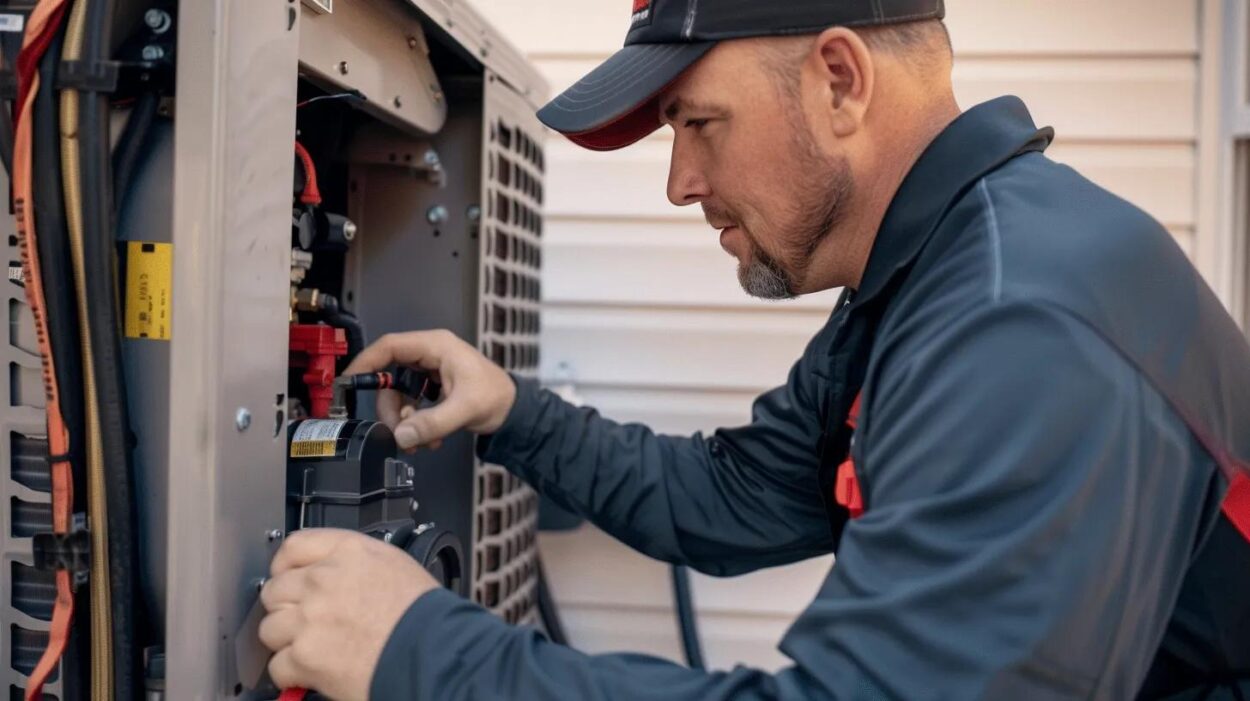
Don’t Let Your Atlanta Furnace Freak Out: Spot the Signs Early!
A furnace malfunction is any failure in your heating system that lowers comfort, raises energy bills, or creates a safety risk in your home. Catching early signs, like odd noises, uneven heat, an unusual flame color, or short cycling, lets you take focused steps to lower risk and avoid bigger repairs.
This guide lays out clear warning signs, safe immediate actions, and simple checks you can do as a homeowner, so you’ll know when a quick fix is reasonable and when to call a pro.
Indoor Experts Heating & Air Conditioning provides licensed technicians in Atlanta; use this guide to describe the problem clearly when you call. Read on for the most common strange furnace noises, why a furnace may blow cold air, what a yellow pilot light can mean for safety, and how to spot and address short cycling.
Strange Furnace Noises and What They Mean for Your Home?
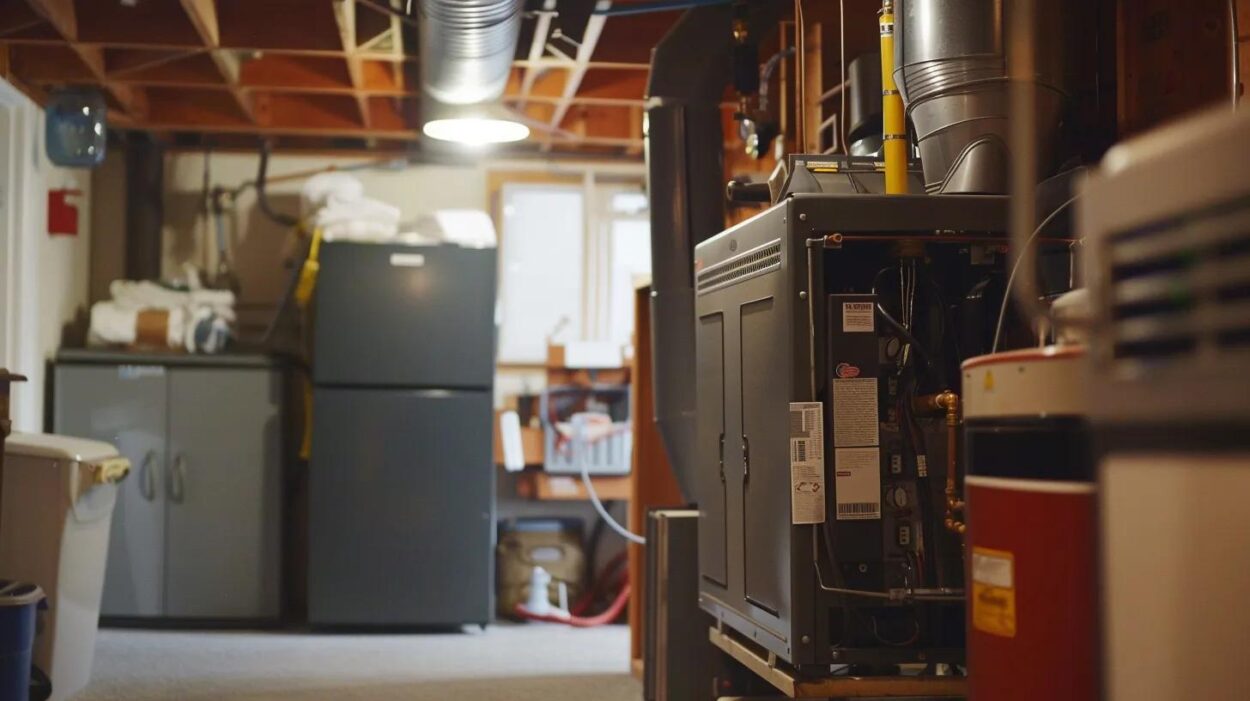
Furnaces produce several distinct sounds that point to specific parts or conditions. Identifying the sound helps you decide how urgent a repair is. Most odd noises come from moving parts, combustion issues, or airflow restrictions; recognizing the pattern narrows likely causes before a technician arrives.
Below we list the typical noises to listen for and the problems they most often indicate in plain, practical terms. That knowledge improves safety and speeds up diagnostics when you schedule service.
Furnace Sounds That Spell Serious Trouble
Some furnace noises point to immediate danger or rapid failure and should not be ignored. Loud banging or popping at startup can mean delayed ignition or metal expanding, a pattern that stresses the heat exchanger and risks cracks.
A high-pitched squeal usually signals a failing blower motor bearing or a worn belt, which reduces airflow and shortens component life. Metal grinding or persistent clanking often means internal parts are failing; in that case, shut the system off and call a furnace repair technician in Atlanta, since continued operation can lead to a breakdown.
Smart Steps to Take When Your Furnace Gets Noisy
If you hear a new or worsening sound, take safe, immediate steps to protect people and limit damage while gathering useful info for the technician:
- Shut Down if Necessary: For loud mechanical noises or burning smells, turn off the furnace at the thermostat and breaker.
- Gas Safety: If you detect gas, ventilate the area and leave immediately.
- Avoid DIY Repairs: Don’t remove panels unless you’re qualified.
- Observe and Record: Note when the noise happens, its pitch, and whether it starts at ignition or during normal operation.
- Share Details with the Technician: Providing this information helps speed diagnosis and ensures the HVAC pro brings the right parts.
Why Your Furnace Isn’t Heating Properly and What to Do About It

A furnace that struggles to heat your home evenly or blows cold air can be frustrating, uncomfortable, and expensive. Most issues are related to airflow, thermostat problems, or burner and ignition faults, problems you can often identify early.
Understanding common symptoms, performing simple checks, and knowing when to call a professional helps you restore comfort, protect your system, and avoid higher energy bills.
Your Furnace Isn’t Bringing the Heat Like It Should
A furnace that blows cold air or heats unevenly usually has one or more common, diagnosable issues you can check before calling for service. Typical causes include clogged filters, thermostat problems, restricted airflow from the blower or ductwork, and ignition or burner faults; each produces recognizable symptoms you can match to likely fixes.
The quick diagnostic table below helps you pair symptoms with DIY checks and decide when to call a professional for furnace diagnostics in Atlanta.
| Cause | Symptom | DIY Check | When to Call a Pro |
|---|---|---|---|
| Clogged air filter | Low airflow; rooms feel cold | Install a new filter and check airflow at vents | If a new filter doesn’t restore heat |
| Thermostat issue | No heat or irregular cycling | Replace batteries, confirm settings, reset or recalibrate | If settings are correct but the system won’t respond |
| Blower motor problem | Weak airflow, unusual humming | Check the circuit breaker and vents for blockages | If humming continues or the motor stalls |
| Duct leaks or blockage | Cold spots; inconsistent room temperatures | Inspect visible ducts and vents for gaps or obstructions | If leaks are suspected or ducts in the attic/ceiling are affected |
Common Reasons Your Furnace Blows Cold Air or Heats Unevenly
When your furnace starts blowing cold air or heating unevenly, it’s more than an inconvenience, it’s often a warning sign that a key component isn’t functioning properly. Addressing the root cause early prevents bigger breakdowns, protects your heat exchanger, and keeps your home consistently warm. Below are the most common reasons behind cold-air furnace problems in Atlanta.
Common Reasons Your Furnace Blows Cold Air or Heats Unevenly
- Clogged or dirty air filters
- Thermostat miscommunication or faulty wiring
- Overheating caused by restricted airflow
- Failing blower motor or weak fan performance
- Leaky, disconnected, or poorly insulated ductwork
- Ignition system malfunction preventing proper heating
- Heat exchanger damage or cracks
- Blocked return vents reduce circulation
Weak Furnace Heating Impacts Your Comfort and Efficiency
Inefficient heating raises energy bills and speeds component wear, shortening system life and reducing comfort. When a furnace runs longer to reach set temperatures because filters or controls aren’t working properly, it uses more fuel and cycles more often, wearing out parts like the blower motor and ignitor.
You’ll notice cold spots and slower recovery after setbacks, and poor combustion can harm indoor air quality. Regular maintenance restores efficiency, improves comfort, and helps you avoid emergency furnace repairs in Atlanta.
What Does a Yellow Pilot Light on a Furnace Mean?
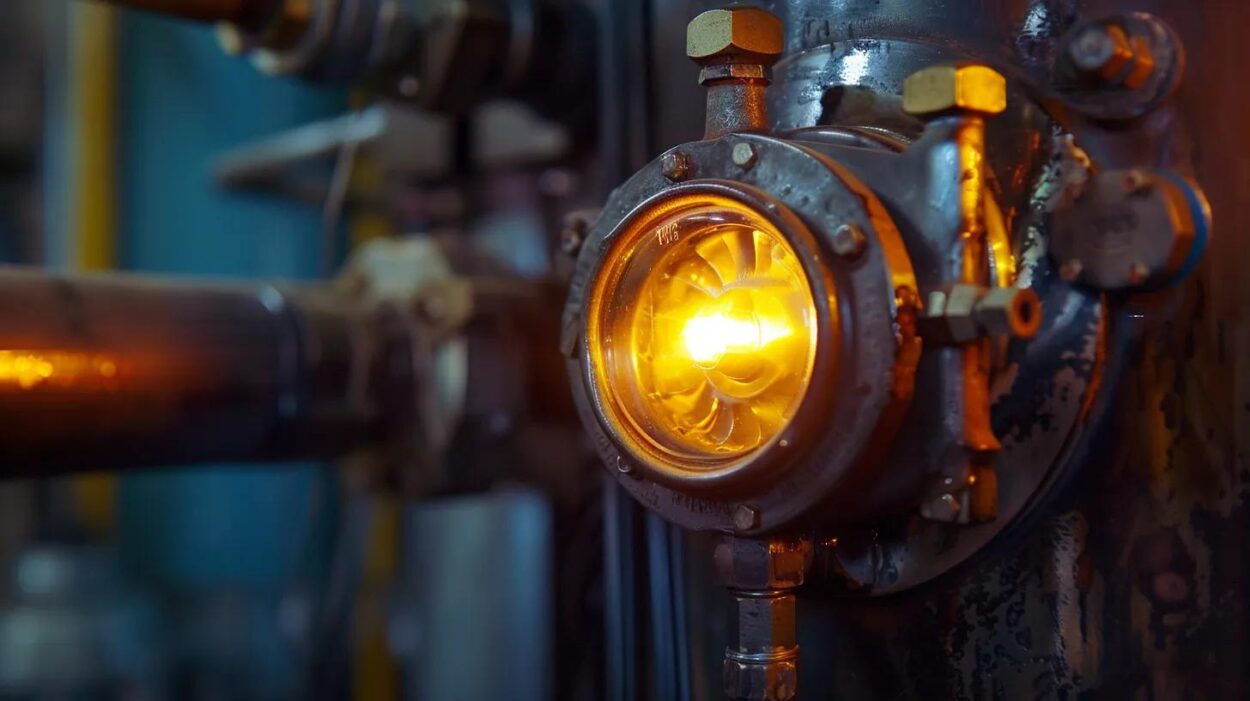
A steady blue pilot flame means clean, complete combustion. A steady or flickering yellow flame usually signals incomplete combustion and raises the risk of carbon monoxide. Incomplete combustion happens when fuel doesn’t burn fully, producing dangerous byproducts and reducing heat output.
Treat a yellow pilot light as a safety concern: ventilate if needed, evacuate if you’re unsure, and follow the immediate steps below. These actions protect your household and give clear information to your HVAC technician in Atlanta.
The Danger Behind a Yellow or Flickering Pilot Light
A yellow or unstable flame shows combustion isn’t clean, which increases the chance of carbon monoxide (CO) production. CO is odorless and dangerous even at low concentrations. A yellow flame can mean a dirty burner or heat exchanger, an incorrect air‑fuel mix, or restricted ventilation, any of which raises CO risk.
Symptoms of CO exposure include headaches, dizziness, and nausea, and high levels can be life‑threatening. If you see a yellow pilot light, act quickly and don’t try to relight the pilot unless a qualified heating technician in Atlanta tells you it’s safe.
The Immediate Actions to Take When Your Pilot Light Turns Yellow
If the pilot flame is yellow or flickering, follow these safety-first steps immediately:
- Shut Down the Furnace: Turn off the system at the thermostat and shut off the fuel source if it’s safe.
- Ventilate the Area: Open windows to allow fresh air in.
- Evacuate if Necessary: Remove occupants and pets if anyone feels unwell or there’s a gas smell.
- Check Carbon Monoxide Detectors: Test and replace detectors as needed.
- Call for Help: Contact emergency services or your gas provider if anyone shows symptoms of CO exposure.
After you’ve ensured everyone’s safe, schedule an inspection with a licensed HVAC contractor in Atlanta to find and fix the combustion issue.
Spotting and Solving Annoying Furnace Short-Cycling Issues
Short cycling happens when a furnace starts and stops repeatedly in short intervals. This pattern harms efficiency and increases wear because components never reach stable operating temperatures.
Causes include an oversized unit, thermostat cycling problems, overheating from restricted airflow (often due to dirty filters), or safety switches tripping. Short cycling creates measurable stress on system components and often needs prompt attention.
| Cause | Effect on System | Likely Fix | Typical Cost Range |
|---|---|---|---|
| Dirty filter / overheating | Repeated shutdowns; stress on ignitor | Change the filter and clean vents | Low ($) |
| Thermostat or wiring fault | Erratic cycling; incorrect run times | Recalibrate or replace the thermostat; repair wiring | Low–moderate ($$) |
| Oversized unit | Frequent cycles; poor efficiency | Assess load and system sizing; possible replacement | High ($$$) |
| Blower motor or limit switch | Overheat protection trips; repeated shutoffs | Repair or replace motor or limit switch | Moderate ($$) |
Stay Warm with Indoor Experts on Furnace Care

Catching furnace trouble early isn’t just smart, it’s a total game-changer for your comfort, safety, and budget. Strange noises, uneven heating, or a flickering pilot light are your furnace’s way of waving a red flag, letting you know it needs a little attention.
Ignoring these signs can turn small, easily fixable issues into costly repairs down the line, leaving you shivering and stressed. By staying alert and acting quickly, you ensure your home remains warm, cozy, and worry-free all season long.
For thorough inspections, dependable repairs, and helpful tips to keep your furnace running safely and smoothly, trust the experts at Indoor Experts Heating & Air Conditioning, we will help you enjoy a warm, comfortable home without the hassle.
Don’t wait for the next cold draft, call Indoor Experts today and get warm, reliable heat restored fast.