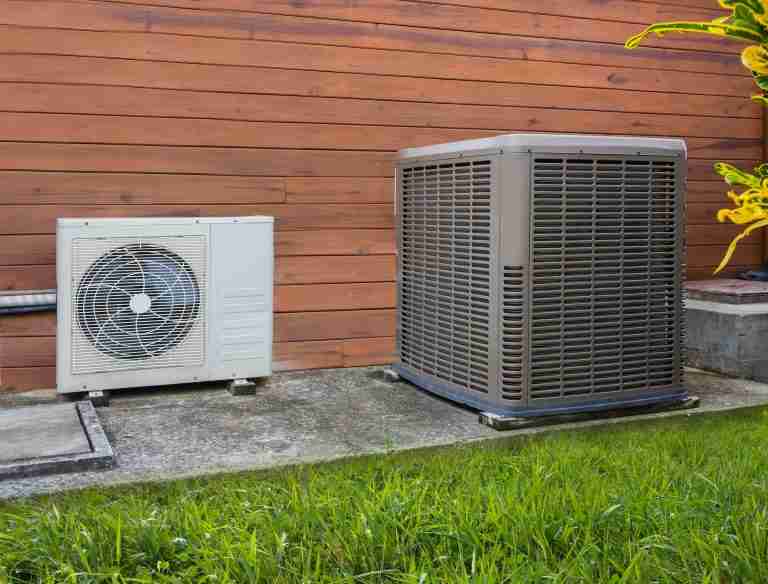
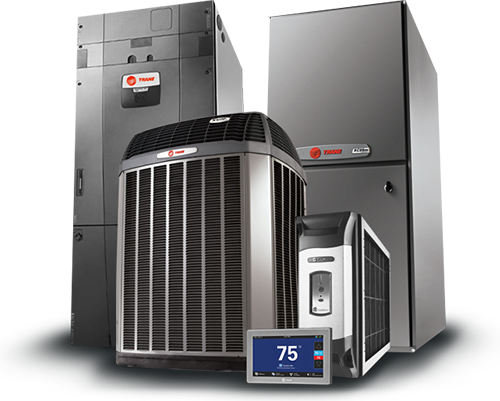
Frequently Asked Questions
What is a major problem with a heat pump?
A major problem with a heat pump is its reduced efficiency in extremely cold temperatures, which can lead to inadequate heating and increased energy costs. Regular maintenance can help mitigate these issues.
How often should a heat pump be serviced?
Heat pumps should be serviced at least once a year to ensure optimal performance and efficiency. Regular maintenance helps identify potential issues early and prolongs the lifespan of the system.
What is the most common problem with heat pumps?
The most common problem with heat pumps is inadequate heating or cooling, often caused by refrigerant leaks, dirty filters, or malfunctioning components. Regular maintenance can help prevent these issues and ensure optimal performance.
What signs indicate a heat pump issue?
Signs that indicate a heat pump issue include inconsistent heating or cooling, unusual noises, unpleasant odors, and increased energy bills. If you notice these symptoms, it's essential to contact Indoor Experts for prompt diagnosis and repair.
How can I troubleshoot a heat pump?
Troubleshooting a heat pump involves checking the thermostat settings, ensuring the air filters are clean, inspecting the outdoor unit for obstructions, and verifying that the circuit breaker hasn’t tripped. If issues persist, contact a professional for assistance.
What causes heat pump efficiency loss?
Heat pump efficiency loss can be caused by factors such as inadequate maintenance, refrigerant leaks, dirty filters, and poor insulation. These issues hinder the system's ability to heat or cool effectively, leading to increased energy consumption.
How can I extend my heat pumps life?
Extending your heat pump's life involves regular maintenance, including annual professional inspections, changing filters regularly, and ensuring proper airflow around the unit. Keeping the system clean and addressing issues promptly can significantly enhance its longevity and efficiency.
What maintenance tasks improve heat pump function?
Regular maintenance tasks that improve heat pump function include cleaning or replacing air filters, checking and sealing ductwork, cleaning the outdoor unit, and scheduling annual professional inspections to ensure optimal performance and efficiency.
What are typical heat pump repair costs?
Typical heat pump repair costs can range from $150 to $1,000, depending on the issue's complexity and parts needed. For accurate pricing, it's best to consult with a professional technician for an assessment.
How do I know if my heat pump needs repair?
Signs that your heat pump needs repair include unusual noises, inconsistent temperatures, increased energy bills, and frequent cycling. If you notice any of these issues, it's advisable to contact Indoor Experts for a professional assessment.
What factors affect heat pump lifespan?
The factors that affect heat pump lifespan include proper installation, regular maintenance, usage patterns, and environmental conditions. Ensuring optimal care can significantly enhance the durability and efficiency of your heat pump system.
Are heat pumps more efficient than traditional HVAC?
Heat pumps are generally more efficient than traditional HVAC systems. They transfer heat rather than generate it, leading to lower energy consumption and cost savings for homeowners.
How does weather impact heat pump performance?
Weather significantly impacts heat pump performance by affecting its efficiency and heating or cooling capacity. Extreme temperatures can strain the system, leading to reduced effectiveness and increased energy consumption. Proper maintenance ensures optimal performance year-round.
What is the best way to clean a heat pump?
The best way to clean a heat pump is to regularly remove debris from the outdoor unit, clean or replace the air filters, and ensure the coils are free from dirt. This maintenance helps improve efficiency and prolongs the system's lifespan.
When should I replace my heat pump?
The ideal time to replace your heat pump is when it is over 15 years old, requires frequent repairs, or is no longer efficient, leading to higher energy bills.
What features should I look for in a heat pump?
The features to look for in a heat pump include energy efficiency ratings, noise levels, heating and cooling capacities, and smart technology integration for optimal control. Additionally, consider warranty options and the reliability of the brand.
How do I choose a heat pump service provider?
Choosing a heat pump service provider involves considering their experience, customer reviews, and certifications. Look for a company that offers reliable service, transparent pricing, and guarantees on their work to ensure comfort and efficiency in your home.
Can regular maintenance prevent heat pump breakdowns?
Regular maintenance can significantly reduce the likelihood of heat pump breakdowns. By ensuring components are clean and functioning properly, potential issues can be identified early, promoting efficiency and extending the lifespan of your system.
What are common heat pump installation mistakes?
Common heat pump installation mistakes include improper sizing, neglecting to seal ducts, incorrect refrigerant levels, and inadequate insulation. These errors can lead to reduced efficiency, higher energy costs, and compromised comfort in your home.
What is the expected energy savings from a heat pump?
The expected energy savings from a heat pump are significant, typically ranging from 30% to 50% compared to traditional heating systems, making them an efficient choice for homeowners seeking to reduce energy costs while maintaining comfort.
How do heat pumps compare to other heating systems?
Heat pumps offer a more energy-efficient alternative to traditional heating systems, as they transfer heat rather than generate it, resulting in lower energy bills and a reduced carbon footprint while maintaining consistent comfort in your home.
What warranty options are available for heat pumps?
The warranty options available for heat pumps typically include manufacturer warranties, which cover parts for a specified period, and extended warranties that may cover labor and additional components for longer durations.
How can air filters affect heat pump efficiency?
Air filters significantly impact heat pump efficiency by trapping dust and debris. A clogged filter restricts airflow, causing the heat pump to work harder, which can lead to increased energy consumption and reduced comfort levels in your home.
What improvements can I make to my heat pump?
Improvements you can make to your heat pump include regular maintenance, cleaning or replacing filters, ensuring proper insulation, and upgrading to a programmable thermostat for enhanced efficiency and comfort.
How often should I replace heat pump filters?
Heat pump filters should be replaced every 1 to 3 months, depending on usage and environmental factors. Regular replacement ensures optimal performance and efficiency, helping maintain a comfortable indoor environment.
What is involved in the heat pump installation process?
The heat pump installation process involves assessing your home’s heating and cooling needs, selecting the appropriate system, and then professionally installing the unit, including necessary ductwork and electrical connections for optimal efficiency and performance.
Are there eco-friendly heat pump options available?
Eco-friendly heat pump options are indeed available, utilizing renewable energy sources and advanced technology to reduce environmental impact while providing efficient heating and cooling solutions for your home.
How can I optimize my heat pumps settings?
Optimizing your heat pump settings involves adjusting the thermostat to a comfortable yet energy-efficient temperature, regularly cleaning or replacing filters, and scheduling routine maintenance checks to ensure optimal performance and longevity.
What regulations affect heat pump installation?
Regulations affecting heat pump installation include local building codes, energy efficiency standards, and environmental guidelines. Compliance ensures safety, efficiency, and optimal performance of the heat pump system while adhering to state and federal laws.
How can I detect refrigerant leaks in heat pumps?
Detecting refrigerant leaks in heat pumps involves checking for signs like hissing sounds, ice buildup on coils, or reduced cooling efficiency. Additionally, a professional technician can use specialized tools to identify and repair any leaks effectively.
 Skip to content