Skip to content
Atlanta winters can get chilly, and when your furnace breaks down, comfort can disappear fast. Indoor Experts delivers fast, honest, and dependable furnace repair services in Atlanta and the surrounding Metro communities. Our experienced technicians diagnose and fix heating issues quickly, treating your home with care and ensuring you stay warm, safe, and comfortable all season long.
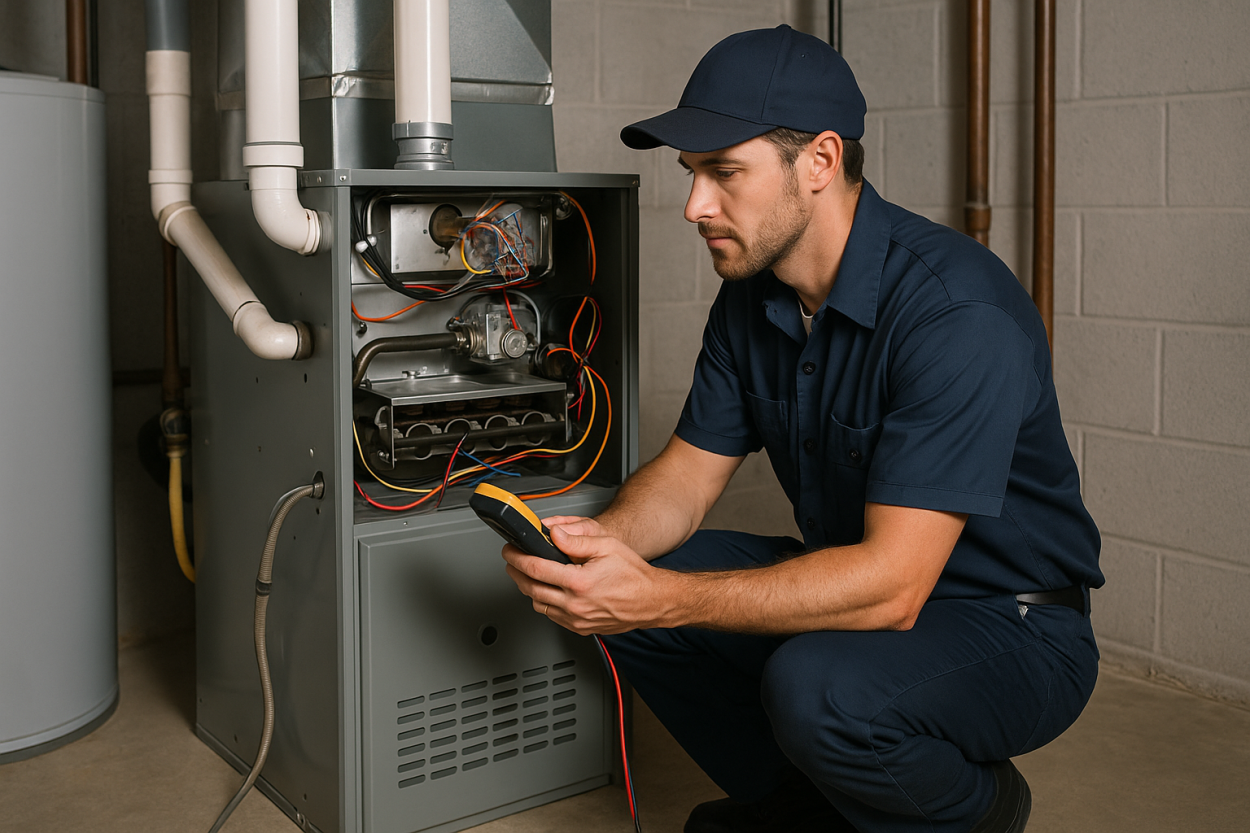
When your furnace stops working, don’t wait—trust Indoor Experts for fast, reliable repairs done right the first time. Our certified technicians restore warmth and comfort with expert precision and care.
When the Georgia cold sets in, Indoor Experts has you covered. With years of HVAC experience, we specialize in furnace repairs that are fast, reliable, and built to last. As a locally owned, family-focused company, we care about your comfort and deliver professional service with a personal touch.
Upfront pricing you can count on.
Fast, reliable
service when
it matters.
Family-focused care with every call.
Your furnace plays a key role in keeping your home safe and comfortable. Worn parts, weak airflow, or efficiency issues can leave you without heat when you need it most. At Indoor Experts, we provide expert furnace repair and service for families across the Atlanta Metropolitan Area.
If some rooms stay chilly while others overheat, your furnace may be struggling. Our furnace technicians inspect and repair systems to restore even, consistent warmth throughout your home.
Clanging, rattling, or unusual smells can signal a failing part or safety issue. We quickly diagnose the problem and provide safe, reliable repairs to protect your home and family.
A furnace that constantly turns on and off, or causes a spike in energy costs, likely needs service. Our repair solutions improve efficiency and extend system life, saving you money.
If your furnace is aging or requires constant fixes, it may be nearing the end of its life. We provide honest repair recommendations and, when needed, guidance on replacement options.
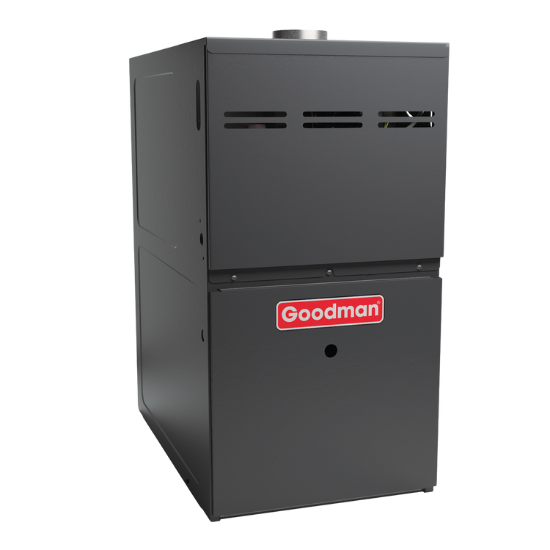
Gas furnaces are the most common in Mentor homes, delivering powerful, efficient heat. When burners, ignitors, or heat exchangers fail, our technicians quickly diagnose and repair issues to restore safe, reliable heating.
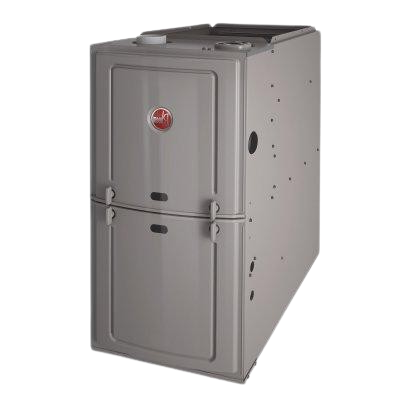
Electric furnaces are dependable but can suffer from bad heating elements, wiring issues, or faulty relays. Indoor Expers repairs and maintains these systems to ensure consistent heat without unexpected breakdowns.
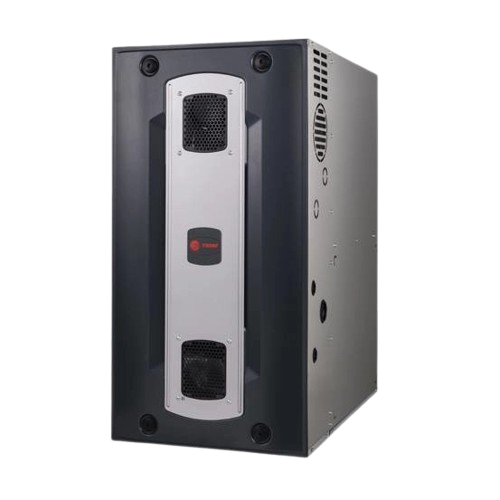
Propane furnaces are popular in rural areas but can develop burner and safety control issues. We specialize in propane furnace repairs to keep your system running smoothly through Ohio’s coldest nights.
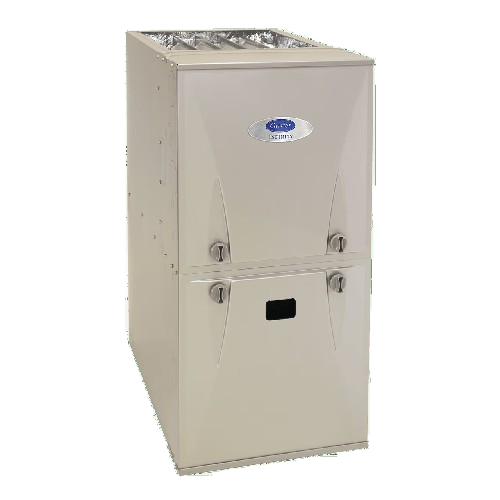
High-efficiency furnaces save energy but often face unique problems like clogged condensate drains or secondary heat exchanger issues. Our experts handle all high-efficiency repairs to maintain comfort and performance.
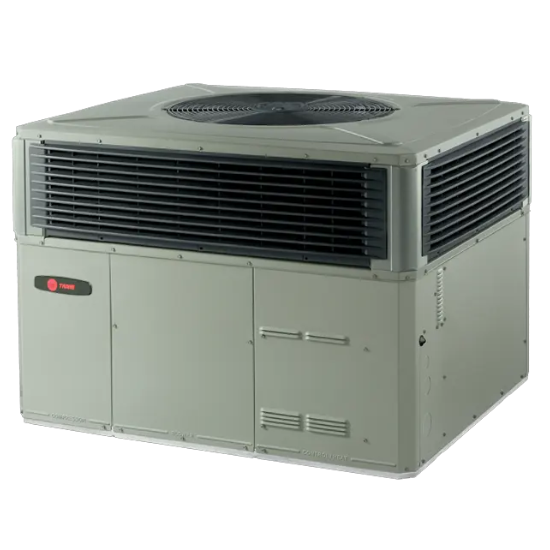
Hybrid systems combine electric and gas heating for flexibility and savings. When controls, airflow, or system switches fail, Indoor Experts repairs hybrid furnaces to keep your home efficient year-round.
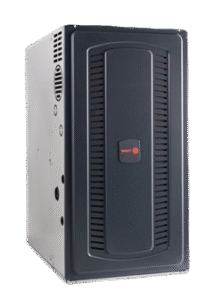
Modular furnaces, often used in mobile or manufactured homes, require specialized care. We repair blower issues, duct connections, and control problems to ensure dependable heating in compact spaces.
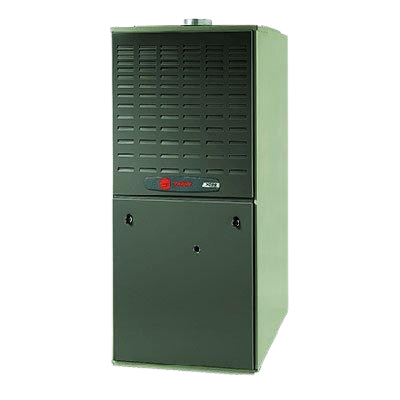
Radiant furnaces use heated water or steam to warm spaces through radiators or underfloor systems. Our technicians repair leaks, valves, and circulation issues to restore even, efficient comfort.
Furnace problems can strike without warning during Altanta’s harsh winters. Indoor Experts delivers fast, 24/7 furnace repair services to reliably restore heat when you need it most.
Atlanta weather doesn’t wait, and neither do we. Our repair specialists arrive prepared to troubleshoot and fix the issue fast. From furnace repair, quick diagnostics, and honest estimates, we get your system back up and running without delay.
Heating failures don’t just happen during business hours. That’s why Indoor Experts provides round-the-clock support, including nights, weekends, and holidays. Whenever your system quits, you can rely on us to show up quickly, repair the issue correctly, and bring comfort back to your home.
Atlanta’s chilly winters can take a toll on your heating system. Without regular maintenance, your furnace or heat pump can lose efficiency, work harder than necessary, and risk unexpected breakdowns. With Indoor Experts, you’ll keep your system running smoothly, avoid costly repairs, and enjoy reliable warmth all season long. Our detailed maintenance plans help you save on energy costs, reduce stress, and maintain consistent comfort year after year.
When Indoor Experts performs a heating tune-up, we go beyond a basic inspection. Our technicians clean and adjust burners, check gas pressure and heat exchangers, inspect safety controls, lubricate moving parts, and test system performance. We also review ductwork and electrical components to catch issues early. This thorough approach keeps your system safe, efficient, and ready for Atlanta’s coldest nights.
The best time to schedule furnace service is in the fall, before temperatures drop. A preseason tune-up ensures your system is ready for heavy winter use and helps prevent inconvenient breakdowns. At Indoor Experts, we make heating maintenance simple with flexible scheduling and annual service plans designed to keep your home warm, safe, and worry-free.

At Indoor Experts, we repair all type of furnaces of every kind to keep Atlanta homes safe, warm, and energy efficient. From minor fixes to urgent breakdowns, our technicians deliver reliable service that restores comfort when you need it most.
A failing blower motor leaves your home with weak airflow and uneven heat. We repair or replace faulty motors so your furnace runs smoothly, delivering consistent warmth throughout every room in your Mentor home.
If your furnace won’t start or keeps misfiring, the ignition system may be to blame. Our team repairs worn ignitors and faulty sensors, restoring safe, dependable heating performance you can count on all winter.
Damaged heat exchangers waste energy and can leak dangerous gases. Indoor Experts repairs cracks and restores efficiency, ensuring your furnace runs safely while keeping your home warm and your family protected.
Gas line or valve issues can shut down your furnace and threaten safety. We quickly identify and repair leaks or blockages, restoring efficient heat and giving Mentor homeowners peace of mind.
An inaccurate thermostat leads to wasted energy and inconsistent comfort. Our technicians fine-tune your thermostat so your furnace cycles correctly, keeping your home at the perfect temperature while lowering utility costs.
When the pilot light goes out, so does your heat. We repair clogged lines, replace faulty thermocouples, and restore safe ignition so your furnace delivers steady, reliable warmth again.
Clogged filters restrict airflow and strain your furnace. We replace dirty filters with high-quality options, improving efficiency, protecting components, and helping you enjoy cleaner air and lower heating costs.
Leaky ducts waste heat and create uneven comfort. Indoor Experts seals ductwork leaks to restore airflow, boost efficiency, and ensure every corner of your home stays warm.
A sudden furnace breakdown can’t wait. That’s why we offer 24/7 emergency furnace repair in Mentor, OH. Our experts respond quickly to restore safe, reliable heat—day or night.
Atlanta's climate brings distinct seasonal challenges that put stress on your home’s furnace throughout the year. Indoor Experts understands these shifts and provides tailored furnace repair and maintenance to keep your system running strong in every season.

After months of working hard, your furnace may show signs of wear in spring. Components like filters, blowers, and ignitors often need cleaning or repair to prevent breakdowns and prepare your system for the next cold season.

While your furnace sits idle during Mentor’s hot, humid summers, dust, rust, or moisture buildup can quietly damage parts. Scheduling maintenance in the off-season helps catch hidden issues early and prevents costly repairs later.
Fall’s fluctuating temperatures mark the return of furnace use. Startup issues like dirty burners, faulty thermostats, or clogged filters often appear. Professional inspections ensure safe, efficient operation before Ohio’s winter cold sets in.

Winter is the toughest test for your furnace. Constant use can strain critical components like heat exchangers, pilot lights, and blowers, leading to sudden failures. Emergency furnace repair ensures your home stays safe and warm during Mentor’s coldest months.
At Indoor Experts, we design maintenance plans around Atlanta’s unique climate to help homeowners avoid costly repairs, improve energy efficiency, and enjoy consistent comfort year-round.
At Indoor Experts, we’re not just repairing Heating systems, we’re keeping Metro Atlanta homes comfortable for the moments that matter most. From Atlanta to nearby cities and neighborhoods, we know this region is more than just a service area: it’s our community. And we’re dedicated to making sure your indoor air feels as welcoming as the rest of it.
Wherever you’re located in Metro Atlanta, Indoor Experts is just a call away.
Common signs include uneven heating, strange noises, frequent cycling, or rising energy bills. You may also notice cool air blowing from vents or a burning smell. If your furnace shows any of these symptoms, it’s best to schedule a professional inspection before the issue worsens.
Your furnace should be professionally serviced at least once a year, ideally before the start of the heating season. Regular maintenance helps prevent unexpected breakdowns, improves efficiency, and ensures safe operation throughout the winter.
Cold air can result from issues like a dirty air filter, a malfunctioning thermostat, or a pilot light problem. In some cases, it could signal a more serious mechanical failure. A licensed technician from Indoor Experts can quickly diagnose and fix the issue to restore proper heating.
If your furnace is over 10–15 years old, needs frequent repairs, or no longer heats your home efficiently, replacement may be the smarter investment. However, if the issue is minor, a simple repair may restore full functionality. Our team will provide an honest assessment to help you decide.
Most furnace repairs can be completed in one to two hours, depending on the issue. More complex problems may require additional time or replacement parts. Our technicians arrive fully prepared to handle most repairs on the spot for fast, reliable service.
Yes! Indoor Experts provides emergency furnace repair services throughout Atlanta and surrounding Metro areas. We understand that heating problems can’t wait, so our team is available to restore warmth and comfort to your home as quickly as possible.
Enter your information below to receive your promotion.
heating furnace repair near me, gas furnace repair near me, furnace repair Atlanta GA, emergency furnace repair Atlanta, heater repair Atlanta Georgia, Atlanta furnace service, furnace technician Atlanta GA, heating repair Atlanta GA, furnace troubleshooting Atlanta, local furnace contractor Atlanta, gas furnace repair Atlanta, residential furnace repair Atlanta